In today's world, medical diagnostics play a crucial role in healthcare. The effectiveness of these methods can have a profound impact on patient outcomes. The question arises: how accurate are modern diagnostic methods? This inquiry is essential for global buyers looking for reliable solutions.
Many diagnostic techniques have advanced significantly in recent years. Technologies now employ artificial intelligence and sophisticated algorithms. However, the accuracy can vary based on numerous factors, including the specific method used and the context in which it operates. Some tests may yield false positives or negatives, causing potential harm.
Understanding the limits of these methods is vital. Providers must continually assess and improve their techniques. Clients should be aware that not all diagnostics are foolproof. In striving for precision, challenges remain. A realistic perspective on accuracy ensures better decision-making in healthcare purchasing.
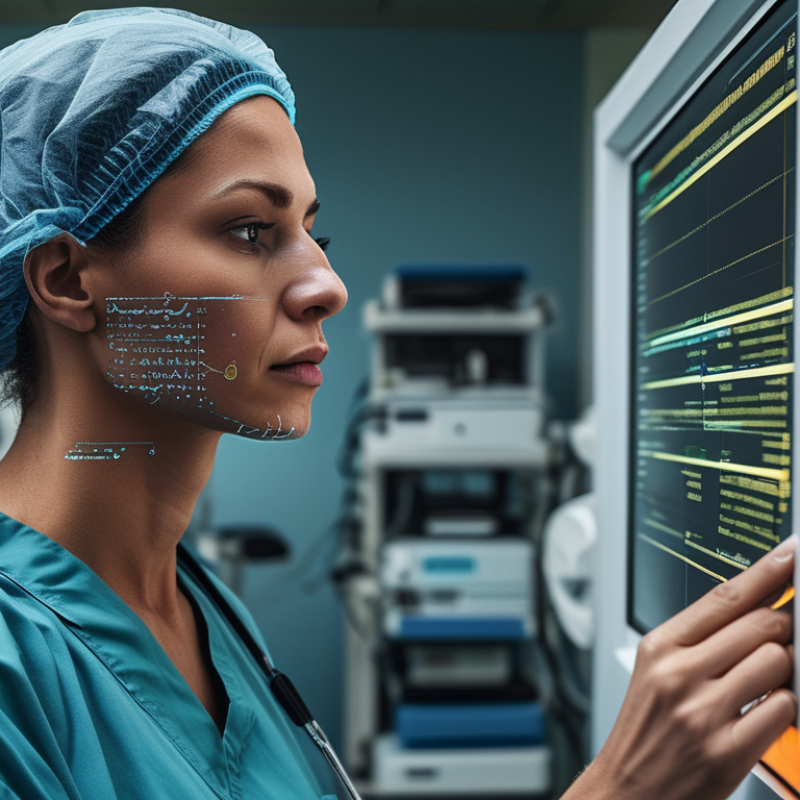
Modern diagnostic methods have transformed healthcare, especially in global markets. They utilize advanced technologies to detect diseases earlier and more accurately. For instance, imaging techniques like MRI and CT scans provide detailed visuals, aiding in accurate diagnosis. However, their accuracy can vary based on several factors. The quality of equipment and the expertise of medical professionals play crucial roles.
In addition to imaging, laboratory tests are key components of diagnostics. Blood tests, for example, can reveal essential information about a person's health. Yet, false positives and negatives are still possibilities. These discrepancies can lead to unnecessary stress or missed diagnoses. It's vital to reflect on how these methods may not always provide clear answers.
Moreover, accessibility remains a challenge. In some regions, high-tech diagnostics are not available. This lack of access can lead to underdiagnosis or misdiagnosis, highlighting a significant gap in global health. Ultimately, while modern diagnostic methods bring great promise, they are not infallible. Continuous evaluation and improvement are necessary to enhance their reliability and effectiveness.
Modern diagnostic methods have advanced significantly, providing greater accuracy and reliability in testing. Key technologies include polymerase chain reaction (PCR) tests, enzyme-linked immunosorbent assays (ELISA), and next-generation sequencing (NGS). According to industry reports, PCR tests can detect pathogens with over 95% accuracy, while ELISA tests typically achieve 90% accuracy. These advancements support better decision-making in healthcare.
Despite these promising figures, challenges remain. False negatives and positives can occur, leading to misdiagnosis or unnecessary treatments. A study indicated that up to 10% of rapid tests may yield inaccurate results. This underlines the importance of continual evaluation and validation of diagnostic methods.
**Tips:** Understand the limitations of each test. Always look for multiple sources of information before making health decisions. Discuss any lab results with a qualified healthcare professional to interpret them correctly.
Modern diagnostic methods have transformed the healthcare landscape, but their accuracy can vary widely. Factors such as technology, training, and patient demographics significantly influence outcomes. According to a recent report by the World Health Organization, diagnostic accuracy can range from 60% to over 95%, depending on the method used.
Technological advancements play a crucial role. For instance, imaging techniques like MRI are known for high accuracy, yet still depend on proper interpretation. Errors can arise from inadequate training or experience of the technician. The urology branch reported that up to 30% of diagnoses may be inaccurate due to human error in interpreting results.
Patient factors also contribute to diagnostic accuracy. Conditions can manifest differently across various populations. A study published in the Journal of Clinical Pathology indicated that certain diseases show variable symptoms in different ethnic groups. This variability can lead to misdiagnosis or delayed diagnosis, highlighting the need for culturally competent care. Understanding these factors is critical in improving diagnostic accuracy globally.
When analyzing diagnostic methods globally, one can observe significant variations. Regions utilize diverse technologies and approaches, influencing accuracy and reliability. In North America, advanced imaging techniques dominate. These tools can detect conditions early but may lead to over-reliance on technology.
In Europe, a blend of historical practices and modern technologies shapes the diagnostic landscape. Here, clinical assessments hold substantial weight, yet inconsistencies in training can lead to variability in outcomes.
In Asia, rapid technological adoption creates a complex scenario. Some countries invest heavily in AI-driven diagnostics, while others still rely on subjective assessments. This disparity challenges standardization. Accuracy can fluctuate based on local expertise and resources. Many practitioners emphasize collaboration to improve diagnostic precision, but resistance to change persists.
In Africa, limited access to high-end technologies results in a heavier reliance on basic tests. While this approach has its merits, it can miss subtler conditions.
Understanding these regional differences is crucial. The effectiveness of diagnostic methods hinges not just on technology, but also on human factors, training, and local practices. Addressing these gaps could enhance global health outcomes, yet the journey remains intricate.
Continuous evaluation and adaptation are key to ensuring progress in diagnostic accuracy worldwide.
The landscape of diagnostic methods is rapidly evolving. Recent studies indicate that artificial intelligence (AI) could boost diagnostic accuracy by up to 30%. A report from the Journal of Medical Diagnostics highlights that these innovations can reduce human error, which often accounts for 40% of misdiagnoses. As precision medicine grows, techniques like genomic profiling are becoming standard. However, these advancements also raise concerns about accessibility and cost.
Tips: Stay informed about innovations in diagnostics. Subscribing to industry journals can provide valuable insights. Regularly assess the limitations of new technologies. AI may not understand context as well as a trained professional.
Emerging trends show a shift toward personalized diagnostics. Wearable devices are offering real-time health data. According to the Global Health Innovation report, these devices can monitor specific biomarkers and even predict potential health risks. While promising, this approach is still in its infancy and faces significant regulatory hurdles. Health systems may struggle to integrate these technologies effectively.
Tips: Evaluate the reliability of new diagnostic tools. Always consider peer-reviewed studies. Be cautious about overestimating the effects of novel innovations. They often require further validation through extensive trials.
: They are advanced techniques that detect diseases with greater accuracy and earlier than traditional methods.
Imaging techniques like MRI and CT scans provide detailed visuals that help in making accurate diagnoses.
Important technologies include PCR tests, ELISA, and next-generation sequencing, enhancing accuracy in detection.
PCR tests exceed 95% accuracy, while ELISA tests generally achieve about 90% accuracy.
Issues like false positives and negatives can lead to misdiagnoses or unnecessary anxiety for patients.
Not all regions have access to high-tech diagnostic methods, leading to gaps in healthcare quality.
AI has the potential to increase diagnostic accuracy by up to 30% but may also misinterpret context.
This approach uses wearable devices to track health data and predict potential health risks in real-time.
Regular assessments help identify limitations in testing methods and improve reliability over time.
They may face regulatory hurdles and require further validation before being widely accepted or implemented.
The article "How Accurate Are Modern Diagnostic Methods for Global Buyers?" explores the evolution and effectiveness of contemporary diagnostic techniques used in global markets. It provides an overview of various modern diagnostic methods, highlighting key technologies employed in tests and their respective accuracy levels. Factors influencing the accuracy of these methods are discussed, considering regional differences that may affect diagnostic reliability.
In addition, the article presents a comparative analysis of diagnostic methods across different regions, showcasing the variances in accuracy and technology adoption. Looking ahead, it addresses future trends in diagnostic accuracy and innovation, emphasizing the importance of continuous improvement in methodologies. Ultimately, the piece seeks to answer the critical question: how accurate are modern diagnostic methods, while underscoring their role in enhancing global healthcare outcomes.

Mosholu Medical