In the rapidly evolving field of healthcare, the question "how accurate are modern diagnostic methods" is more pertinent than ever. With advanced technologies like AI and machine learning, diagnostics have improved significantly. However, challenges remain. For example, false positives and negatives can lead to misdiagnoses, affecting treatment plans.
Many healthcare professionals rely on sophisticated imaging and laboratory tests. Yet, these tools are not infallible. Studies show varying accuracy rates across different methods and conditions. Patients often expect certainty, but the reality is more complex. Healthcare providers must interpret results with caution, considering the potential for human error and technological limitations.
Diagnostic accuracy is crucial for effective patient care. Misinterpretations can have severe consequences. Ongoing research aims to refine these methods. However, the complexity of biological systems means that even modern tools may lack precision. Hence, healthcare stakeholders must continue to question and improve the reliability of these diagnostic approaches.
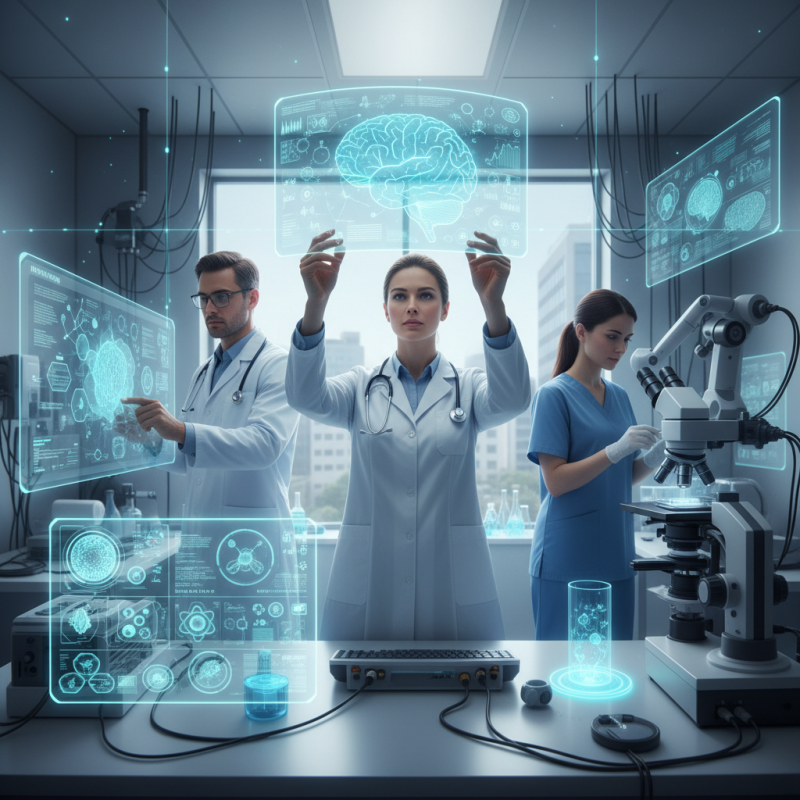
The current state of diagnostic methods in healthcare reveals significant advancements, yet challenges remain. Modern imaging techniques, such as MRI and CT scans, provide detailed insights into the human body. However, these technologies can produce false positives, leading to unnecessary stress for patients. Misdiagnosis is still a risk, even with advanced tools.
Laboratory tests play a crucial role in diagnosis. Blood tests can detect various conditions, from infections to chronic diseases. Still, not all results are conclusive. Some tests require further investigation, which can delay treatment. Additionally, issues with sample handling can impact accuracy.
Telemedicine has revolutionized consultations, yet diagnostic quality can suffer. Remote assessments may limit thorough examinations. This raises concerns about missing crucial symptoms. While innovations continue to improve diagnostics, healthcare professionals must remain vigilant. Continuous training and updates in diagnostic protocols are essential to ensure reliability and trust in these methods.
Diagnostic tests are crucial in modern healthcare, providing essential insights for effective treatment. Among various types, imaging tests like X-rays, MRIs, and CT scans are widely employed. The World Health Organization reports that imaging contributes to 30% of diagnoses in hospitals. However, these tests can be complex and sometimes lead to misinterpretations. For example, an MRI may not differentiate between a benign and malignant tumor effectively. This ambiguity can create unnecessary anxiety for patients.
Laboratory tests also play a significant role. Blood tests, for instance, are vital for detecting conditions such as diabetes and cancer. The Centers for Disease Control and Prevention indicates that nearly 75% of healthcare decisions depend on lab results. Yet, false positives and negatives remain a concern. A study showed that around 7% of laboratory tests yield inaccurate results, highlighting the need for continual quality improvements.
Point-of-care tests have gained popularity due to their rapid results. These tests can identify issues like strep throat in minutes. While they improve speed, they may sacrifice accuracy. A recent study found that rapid tests missed about 30% of cases. This trade-off urges healthcare providers to balance speed with reliability, showcasing the ongoing challenges in diagnostic testing today.
| Type of Diagnostic Test | Accuracy Rate (%) | Typical Applications | Limitations |
|---|---|---|---|
| MRI (Magnetic Resonance Imaging) | 85-95% | Soft tissue imaging, brain disorders | High cost, long scanning time |
| CT Scan (Computed Tomography) | 80-90% | Bone fractures, internal injuries | Radiation exposure, limited soft tissue contrast |
| Ultrasound | 70-80% | Pregnancy monitoring, organ assessment | Operator dependent, limited use in obesity |
| X-ray | 75-85% | Bone examination, dental health | Radiation exposure, not suitable for soft tissues |
| Blood Tests | 85-95% | Disease screening, metabolic functions | False positives/negatives possible |
| Genetic Testing | 90-99% | Inherited conditions, cancer risk assessment | Ethical considerations, limited to specific conditions |
Diagnostic accuracy in healthcare is influenced by multiple factors. One key aspect is the training and experience of the healthcare providers. Physicians with extensive training in specific areas tend to diagnose conditions more accurately. Their familiarity with symptoms and medical histories significantly enhances their diagnostic capabilities. However, even the most experienced practitioners can struggle with complex cases.
Technology plays a vital role in diagnostic methods. Advanced imaging techniques and laboratory tests provide valuable data. Yet, these tools are not infallible. Equipment may have limitations and require proper calibration. Technicians must also be skilled in interpreting results. Misinterpretations can lead to misdiagnosis. This highlights the need for continuous education and training in emerging technologies.
Patient factors cannot be overlooked. Individual variability in symptoms can affect assessments. Communication barriers may lead to incomplete information. Patients may not always articulate their symptoms clearly. This adds an extra layer of complexity to the diagnostic process. Engaging patients in their own care can enhance understanding and accuracy. Taking the time to listen is essential for healthcare providers.
Diagnostic methods in healthcare have vastly evolved. Traditional methods often relied on physical examinations and basic tests. While effective in many cases, these approaches have limitations. They can miss subtle signs of illness. For example, early-stage cancers may go undetected. This emphasizes the need for more precise diagnostic tools.
Modern diagnostics leverage advanced technologies. Techniques like MRI and genetic testing offer deeper insights. They enable earlier detection and more tailored treatment plans. However, these methods are not without flaws. They can lead to over-diagnosis or unnecessary anxiety for patients. Furthermore, not all healthcare facilities have access to the latest tools.
Despite their advantages, both traditional and modern diagnostics face challenges. The accuracy of results can vary. False positives and negatives are not uncommon. Continuous evaluation and adaptation of diagnostic practices are essential. It is vital to balance technological advancements with holistic approaches in patient care. Finding this balance remains a key challenge for healthcare professionals today.
Modern diagnostic methods play a crucial role in healthcare. However, challenges remain in achieving diagnostic accuracy. For instance, studies indicate that about 10-30% of patients receive incorrect initial diagnoses, leading to unnecessary treatments and delayed care. A report from the National Academy of Medicine emphasizes that diagnostic errors are expected in 5-15% of cases. These errors can stem from factors such as human oversight or inadequate information.
While technological advancements improve precision, limitations persist. Tests may lack sensitivity or specificity, resulting in false positives and negatives. For example, a recent analysis showed that mammograms have a detection sensitivity of approximately 87%, leaving a small percentage undetected. This gap in accuracy can fuel patient anxiety or cause missed diagnoses.
**Tip:** Always seek a second opinion if you feel uncertain about a diagnosis. Consider comprehensive testing for critical conditions.
Continuously updating training for healthcare providers is vital. They must recognize biases in their assessments. An alarming statistic reveals that biases in diagnostic decision-making can lead to disparities in patient care. Frequent training on diagnostic accuracy can enhance awareness and improve outcomes.
**Tip:** Stay informed about your health conditions. Ask questions during medical visits to clarify your understanding.
: Diagnostic accuracy is influenced by healthcare providers' training, experience, and familiarity with symptoms.
Advanced imaging and lab tests provide valuable data, but they are not foolproof and require proper use.
Yes, misinterpretations by technicians can lead to misdiagnosis, highlighting the need for continuous education.
Patient factors, such as variable symptoms and communication, significantly affect the diagnostic process and outcomes.
Studies indicate that 10-30% of patients may receive incorrect initial diagnoses, resulting in delayed care.
Always seek a second opinion if uncertain about a diagnosis and consider comprehensive testing when necessary.
Yes, biases can lead to disparities in patient care, making training on diagnostic accuracy crucial.
Patients should ask questions to enhance their understanding of health conditions and clarify any doubts.
Continuous training helps providers recognize biases and improves their diagnostic capabilities, ultimately benefiting patient care.
No, tests may have limitations, such as lack of sensitivity, which can result in missed diagnoses or patient anxiety.
The article titled "How Accurate Are Modern Diagnostic Methods in Healthcare?" explores the evolving landscape of diagnostic techniques utilized in the medical field. It begins by examining the current state of diagnostic methods, detailing the various types of diagnostic tests and their specific applications, such as imaging, laboratory tests, and molecular diagnostics. The discussion then shifts to the factors that influence diagnostic accuracy, including operator skill, test sensitivity, and patient variability.
Furthermore, a comparative analysis highlights the differences between traditional and modern diagnostic methods, emphasizing the advancements that have improved accuracy and efficiency. However, despite these advancements, challenges and limitations persist, affecting overall diagnostic performance. Ultimately, the article addresses the critical question of how accurate are modern diagnostic methods, reflecting on both their potential and the ongoing need for improvement in healthcare diagnostics.

Mosholu Medical