In the modern healthcare landscape, the question of "why are disposable medical supplies important" is more critical than ever. According to a report by ResearchAndMarkets, the global disposable medical supplies market is projected to reach over $320 billion by 2025. This reflects a growing reliance on these products for efficient patient care and safety. Disposable medical supplies, such as gloves, syringes, and catheters, minimize the risk of infections and cross-contamination.
Hospitals and clinics face increasing demands for hygiene and safety. As per the CDC, approximately 1 in 25 hospitalized patients contracts an infection during their stay. The widespread use of disposable supplies can significantly reduce this percentage. However, the industry must navigate the challenges of waste management and environmental impact. This paradox raises questions about sustainability in healthcare.
Healthcare professionals must balance efficiency and environmental concerns. While disposable supplies offer convenience, the ecological footprint cannot be ignored. The ongoing dialogue around healthcare practices should include discussions about recycling and responsible waste disposal. As the industry evolves, understanding the role of disposable medical supplies remains vital.
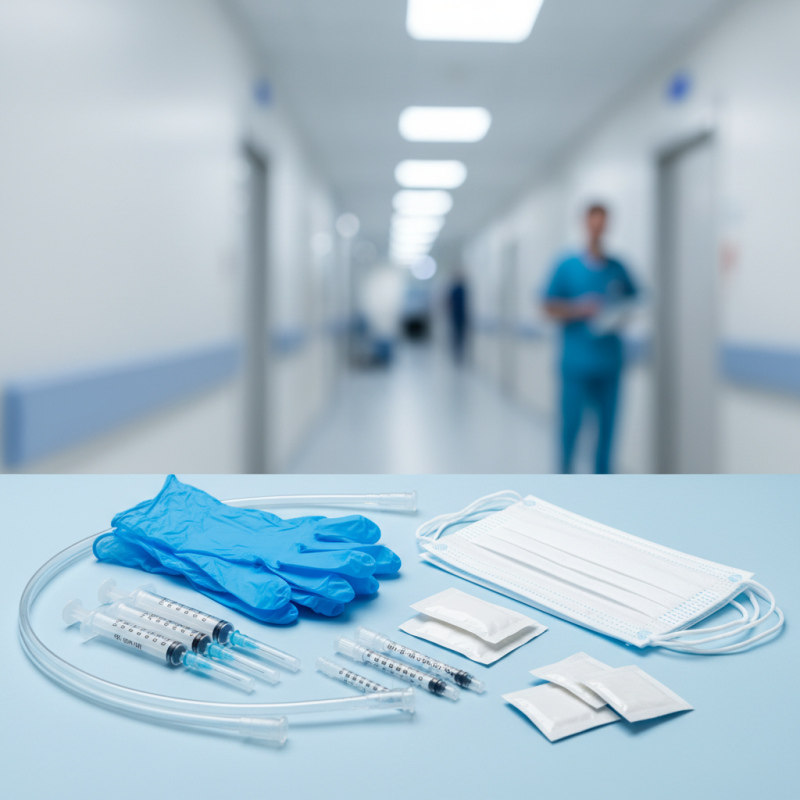
Importance of Disposable Medical Supplies in Modern Healthcare
Disposable medical supplies play a vital role in modern healthcare. They ensure sterility and reduce the risk of infection. Items like gloves, syringes, and masks are designed for single use. This minimizes cross-contamination between patients and medical staff. Hospitals rely on these supplies to maintain safety standards.
Tips: Always check the expiration date of supplies. Expired items may compromise safety.
Using disposable supplies enhances efficiency in medical procedures. It streamlines workflows and saves time during patient care. Medical teams can focus on treatment instead of sterilization processes. However, this can lead to over-reliance on disposables. Some facilities may neglect proper recycling practices.
Tips: Consider eco-friendly options whenever possible. Dispose of materials responsibly to minimize environmental impact.
Key Benefits of Using Disposable Medical Supplies
Disposable medical supplies play a vital role in modern healthcare. One of the key benefits is infection prevention. These items are designed for single use, which significantly reduces the risk of cross-contamination. For example, using sterile syringes for each patient minimizes the chances of transmitting diseases. This aspect is crucial in hospitals, where vulnerable patients could easily suffer from infections.
Another advantage is cost-effectiveness. Disposable supplies often have lower upfront costs than reusable options. This efficiency allows healthcare facilities to allocate resources more effectively. However, the environmental impact is a growing concern. While they are convenient, creating waste may not be sustainable long-term. Striking a balance between safety and sustainability remains a challenge.
Additionally, disposable supplies improve workflow. Medical professionals can focus on patient care without worrying about cleaning equipment. This streamlines processes in high-pressure environments. Yet, reliance on disposables invites questions about accessibility in resource-limited settings. Finding alternatives that ensure quality care remains an ongoing dialogue.
Impact on Infection Control and Patient Safety
Disposable medical supplies play a vital role in infection control. According to the Centers for Disease Control and Prevention (CDC), effective use of these supplies can significantly reduce hospital-acquired infections (HAIs). Infections are a leading cause of complications and increased healthcare costs. Each year, HAIs affect about 1 in 31 hospital patients, costing the healthcare system billions.
Using disposable items like gloves, gowns, and syringes helps ensure a sterile environment. A study published in the Journal of Infection Control found that hospitals using disposable supplies reduced HAI rates by over 22%. This emphasizes the importance of having reliable supplies readily available. However, not all facilities consistently use these items, risking patient safety.
Despite their benefits, the reliance on disposable products brings challenges. Waste management becomes an issue, as the volume of medical waste increases. Facilities must balance infection control with environmental impact. This ongoing struggle highlights the need for better strategies in managing disposable supply use while prioritizing patient safety.
Cost-Effectiveness of Disposable Medical Supplies
Disposable medical supplies play a vital role in healthcare efficiency. Their cost-effectiveness is supported by various industry reports. According to a recent study, hospitals can save up to 30% in operational costs by using disposable items instead of reusable ones. This significant saving results from reduced labor, steam sterilization costs, and lower risk of hospital-acquired infections.
For instance, the Healthcare Cost and Utilization Project revealed that each hospital-acquired infection can cost upwards of $50,000. By utilizing disposable supplies, healthcare providers not only cut costs but also minimize these dangerous infections. This approach leads to better patient outcomes and fosters a safer environment.
However, reliance on disposables does raise questions about sustainability. While they offer immediate financial benefits, their long-term environmental impact is concerning. Healthcare facilities face pressure to balance cost and environmental responsibility. Finding that balance will require innovation in disposal processes and materials used in these supplies.
Why Are Disposable Medical Supplies Crucial for Healthcare? - Cost-Effectiveness of Disposable Medical Supplies
Disposable medical supplies are essential in healthcare for their cost-effectiveness, evidenced by the significant savings when comparing the average annual costs of reusable versus disposable supplies. In this example, the average annual cost of reusable supplies stands at $50,000, while disposable supplies cost about $30,000 annually.
Environmental Considerations and Innovations in Disposal Practices
Disposable medical supplies play a critical role in healthcare. However, their environmental impact raises concerns. According to a 2021 report by the World Health Organization, the healthcare sector generates around 20,000 tons of waste daily, a significant portion of which is disposable medical supplies. This statistic emphasizes the urgent need for innovative disposal practices.
One promising approach is the development of biodegradable materials for medical supplies. Recent advancements allow for alternatives that decompose more efficiently. For example, the use of plant-based plastics can significantly reduce landfill burdens. Additionally, recycling programs for certain medical supplies are gaining traction, helping to alleviate waste and conserve resources.
Tip: Engage with local healthcare facilities to discuss sustainable disposal options. They may have initiatives that you can support or adopt in your own practice.
Focusing on better disposal methods is essential for balancing healthcare needs with environmental stewardship. While the convenience of disposables is undeniable, reflecting on their lifecycle is crucial. Continuous improvements in disposal practices and material innovations are necessary. This helps to ensure that the healthcare system can be both effective and responsible.
Tip: Regularly assess your usage of disposable supplies to identify areas where you can minimize waste without compromising patient care.
Why Are Disposable Medical Supplies Crucial for Healthcare? - Environmental Considerations and Innovations in Disposal Practices
| Category |
Usage (million units/year) |
Environmental Impact (CO2 emissions tons/year) |
Innovations in Disposal |
| Syringes |
50 |
2000 |
Needle destruction systems |
| Gloves |
200 |
3000 |
Biodegradable materials |
| Masks |
150 |
2500 |
Recyclable materials |
| IV Bags |
75 |
1500 |
Sterilization technologies |
| Surgical Instruments |
30 |
1800 |
Reusable options under development |
Conclusion
Disposable medical supplies play a crucial role in modern healthcare by ensuring efficiency, safety, and cost-effectiveness. Why are disposable medical supplies important? They help minimize the risk of infection and promote patient safety by providing single-use items that reduce cross-contamination. These supplies are designed to meet stringent health standards, making them essential in various medical settings.
Moreover, the cost-effectiveness of disposable medical supplies is evident as they streamline processes, reducing the need for extensive sterilization and reprocessing of reusable items. While their environmental impact is a concern, recent innovations in disposal practices are paving the way for more sustainable solutions. Overall, the strategic use of disposable medical supplies enhances healthcare delivery and contributes to improved patient outcomes.

 Mosholu Medical