In today's world, laboratories are crucial for scientific advancements. However, safety in these environments is paramount. Understanding how to maintain safety in laboratory environments is essential for protecting personnel and ensuring successful research outcomes.
Laboratories often contain hazardous materials and complex equipment. Inadequate safety measures can lead to accidents. Therefore, a comprehensive approach to safety is necessary. This includes training staff properly, using protective gear, and implementing strict protocols. Yet, many overlook the importance of regular safety audits.
Reflecting on safety practices is vital. Some researchers might assume that their experience guarantees safety. This mindset can lead to complacency. Continuous education and awareness are key to maintaining a safe laboratory. By prioritizing safety, we protect not just ourselves, but also the integrity of the research conducted.
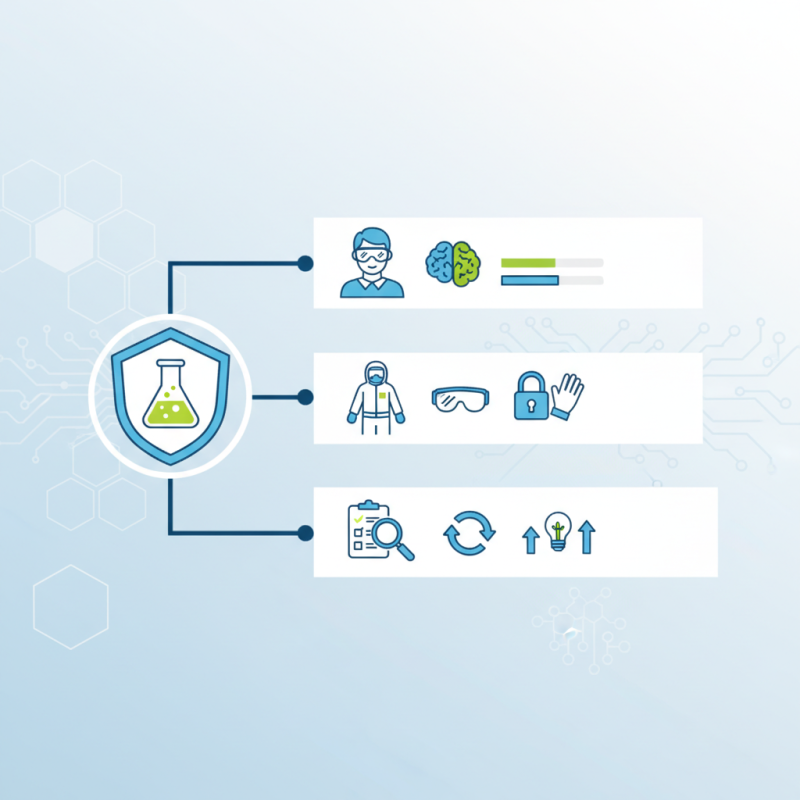
Laboratory safety is crucial for both researchers and the environment. Accidents can lead to injury, contamination, and even loss of life. Proper safety measures help minimize these risks. Understanding the potential hazards is a key first step. Each laboratory has unique challenges. Chemicals, equipment, and biological agents require specific attention. Assessing these factors creates a safer space for everyone involved.
Moreover, fostering a culture of safety enhances awareness. Regular training sessions empower staff to recognize dangers. Team drills can simulate emergency situations. Communication of safety protocols is essential. Everyone should know where safety gear is stored and how to use it effectively. However, even with training, human error is a risk. Supervision and continuous learning play vital roles in maintaining safety. Encouraging an open dialogue about safety concerns can lead to improvements.
A safe laboratory is not just about compliance. It builds trust among team members and the wider community. When safety is prioritized, research can thrive without fear. But safety remains a collective responsibility. Each individual must commit to practicing and advocating for safe behaviors daily. Reflecting on past incidents helps to identify areas of improvement. It’s an ongoing journey, not a final destination.
Laboratory environments pose various safety hazards that must be addressed. Chemical exposure is a primary concern. The National Institute for Occupational Safety and Health (NIOSH) reports that over 20,000 lab workers face health risks annually due to chemical spills or improper handling. Chemicals can cause skin irritation, respiratory problems, or long-term health issues. It’s crucial to always use appropriate personal protective equipment (PPE) like gloves and goggles to minimize exposure.
Biological hazards are another significant risk. Laboratories often work with bacteria, viruses, and other pathogens. A CDC report highlights that lab-associated infections can arise from improper handling of these materials. Implementing strict protocols for waste disposal and infection control is vital. Regular training sessions on these hazards should be mandatory to cultivate a culture of safety.
Equipment risks also require attention. Many injuries in labs stem from equipment misuse or malfunction. A study published in the Journal of Chemical Health and Safety indicates that nearly 50% of lab incidents are linked to equipment errors. Ensuring that all instruments are regularly serviced and that staff are trained in their proper usage is necessary for preventing accidents. These factors highlight the need for ongoing vigilance in maintaining safety in laboratory settings.
In laboratory environments, personal protective equipment (PPE) is crucial for safety. According to the U.S. Occupational Safety and Health Administration, PPE helps reduce exposure to hazards. Selecting appropriate gear is a fundamental step.
Safety goggles and face shields are essential. They protect against chemical splashes and flying debris, which can cause serious injuries. A study shows that approximately 2,000 eye injuries occur in workplaces daily. Proper eye protection can significantly lower this risk.
Lab coats are another critical component. They provide a barrier against spills and contamination. Many laboratories report that over 30% of injuries happen due to not wearing appropriate lab attire. Gloves are equally important; they prevent skin exposure to harmful substances. Yet, many forget to check for holes or tears, compromising safety. A thorough inspection of PPE can lead to safer lab practices.
| Equipment | Purpose | Usage Guidelines | Maintenance |
|---|---|---|---|
| Lab Coat | Protects skin and personal clothing from spills. | Always wear buttoned; check for damage before use. | Wash regularly; replace if torn or stained. |
| Safety Goggles | Protects eyes from chemicals and debris. | Wear at all times in the lab; fit properly. | Clean lenses regularly; inspect for scratches. |
| Gloves | Protects hands from hazardous materials. | Choose the right type for the material; check for tears. | Dispose after use; do not reuse. |
| Face Shield | Provides full-face protection from splashes. | Wear in conjunction with goggles; ensure clear visibility. | Clean with recommended solutions; replace if scratched. |
| Respirator | Protects lungs from harmful fumes and dust. | Fit test before use; use appropriate filters. | Inspect for integrity; replace filters as needed. |
Chemical handling and storage require strict adherence to safety practices. According to the National Institute for Occupational Safety and Health (NIOSH), improper handling contributes to a significant number of laboratory accidents each year. Implementing best practices is essential to minimize risks.
Effective storage begins with proper labeling. Every container should display clear identification of its contents. Color-coded labels can aid quick recognition. It's critical to segregate incompatible chemicals to prevent dangerous reactions. For example, acids and bases must be stored separately. This simple step can dramatically reduce hazards.
Regular inspection and maintenance of storage areas are vital. Ensure that cabinet doors close properly, and check for leaks. Additionally, substances past their expiration dates should be disposed of promptly to prevent misuse. Personal protective equipment (PPE) is also crucial. Lab coats, gloves, and safety goggles must be worn consistently to protect against spills and splashes.
Tips for effective chemical handling include training all personnel on emergency procedures. In an incident, knowing how to react can save lives. Keep spill kits readily accessible in every lab to handle accidents quickly. Always ensure proper ventilation in working areas to minimize inhalation risks. Maintaining safety is a continuous process that requires teamwork and vigilance.
In laboratory settings, emergency procedures are critical for ensuring safety. Each lab must have clear protocols for different emergencies, such as fires or chemical spills. These protocols should be readily accessible and reviewed regularly. Establishing a culture of safety means all personnel are aware of these procedures.
Safety drills play a significant role in preparing staff for emergencies. Regular drills help identify weaknesses in the response plan. During drills, it’s important to simulate real-life scenarios as closely as possible. This creates a sense of urgency and realism. After each drill, gather feedback. Reflecting on these experiences can unveil areas for improvement.
Sometimes, drills reveal that not all staff take them seriously. It’s easy to overlook procedures when everything appears safe. To combat this, labs can incorporate safety discussions into routine meetings. Engaging everyone in these dialogues emphasizes the importance of being prepared. Remembering that emergencies can happen at any time helps maintain a vigilant mindset.
: Common hazards include chemical exposure, biological risks, and equipment misuse. Each poses serious health threats.
Chemical exposure can cause skin irritation, respiratory problems, and long-term health issues. Awareness is crucial.
Personal protective equipment like gloves and goggles minimizes exposure to harmful substances. Always use them.
Labs often deal with bacteria and viruses. Improper handling can lead to infections among staff.
Implement strict protocols for waste management. Regular training on disposal methods is essential to prevent risks.
About 50% of lab incidents stem from equipment misuse or malfunction. Regular maintenance and training are necessary.
Clear emergency protocols ensure safety during incidents. Everyone needs to know these procedures to respond effectively.
Safety drills prepare staff for real emergencies. They help identify weaknesses and improve response plans through feedback.
Sometimes, staff may not take drills seriously. It's crucial to keep safety discussions active to maintain vigilance.
Encourage routine safety meetings and discussions. This engagement emphasizes the importance of preparedness and awareness.
Maintaining safety in laboratory environments is crucial to protect both personnel and facilities from potential hazards. Laboratories often face common risks such as chemical spills, biological contamination, and equipment malfunctions. To mitigate these dangers, it is essential to implement effective safety practices, including the proper use of personal protective equipment (PPE) like gloves, goggles, and lab coats. Additionally, adhering to best practices for chemical handling and storage ensures that hazardous substances are managed responsibly, reducing the risk of accidents.
Establishing emergency procedures and conducting regular safety drills are vital components of how to maintain safety in laboratory environments. These protocols prepare staff to respond effectively to incidents, ensuring a swift and organized reaction in case of emergencies. By fostering a culture of safety and being vigilant about risks, laboratories can create a work environment that prioritizes health and well-being.

Mosholu Medical