Laboratory safety is not a poster on the wall. It is a daily practice shaped by preparation, awareness, and disciplined habits. This guide explains how to maintain safety in laboratory environments, from identifying hazards to responding calmly when conditions change. It focuses on practical details: labeling every container, checking ventilation before work, securing loose sleeves, and keeping emergency routes clear.
James Reason, a leading safety scientist, wrote, “We cannot change the human condition, but we can change the conditions under which humans work.” His insight remains valuable in modern laboratories. Safe systems should not depend on perfect memory or constant confidence. They should use clear procedures, equipment checks, training, supervision, and reporting methods that reduce avoidable mistakes.
Small details matter. A wet floor near an instrument can become a serious hazard. An unlabeled sample can create confusion hours later. Before starting an experiment, workers should review the risk assessment, confirm the correct personal protective equipment, and know where the eyewash station and spill materials are located. Stop and reassess.
No protocol is flawless. Experienced professionals can still overlook a warning, especially during repetitive work or time pressure. That uncomfortable fact deserves attention, not blame. Regular drills, honest near-miss reporting, and thoughtful review can reveal weak points before an injury occurs. This article will examine practical controls, human factors, emergency readiness, and the shared responsibility behind dependable laboratory safety.
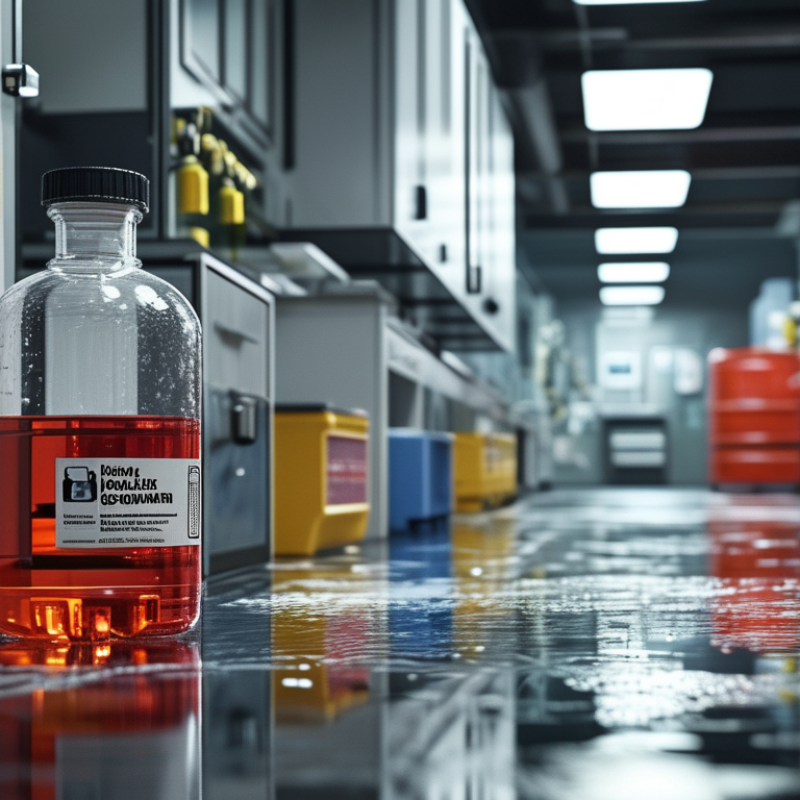
Laboratory hazards are easier to manage when they are named precisely. During routine walkthroughs, I look beyond warning labels and observe how work actually happens. Chemical hazards include corrosive liquids, toxic vapors, and unstable reactions. Biological hazards may involve infectious samples, contaminated surfaces, or poorly sealed waste. Physical hazards appear as heat, pressure, radiation, sharp glass, and moving equipment. Electrical faults and repetitive pipetting create different risks, but both deserve attention. A tidy bench is not proof of safety.
Risk categories help teams decide what needs action first. Likelihood describes how often exposure could occur, while severity describes the possible harm. A rare explosion may rank above a frequent minor spill. Many laboratories use low, medium, and high categories, supported by written criteria. Acute risks act quickly, such as burns or inhalation. Chronic risks develop slowly, including sensitization, hearing damage, or strain injuries. The category should change when quantities, procedures, or staffing change.
An effective assessment connects each hazard with a control. Substitution can remove a dangerous chemical, while engineering controls can contain vapors or machine movement. Administrative rules, training, and clear labels support the system, but they cannot replace reliable equipment. Personal protective equipment is the final barrier, not the entire plan. I have seen people overestimate gloves and underestimate contaminated handles. That mistake is easy to repeat. Reviewing near misses, checking emergency access, and asking quiet workers for observations often reveal overlooked exposure paths. Some judgments remain uncertain, so document the reasoning and revisit it after real work begins.
Safe laboratory design begins with movement, visibility, and control. Separate clean and contaminated zones with clear floor markings. Keep emergency showers, exits, and fire equipment unobstructed. Place frequently used tools between waist and shoulder height. This reduces awkward reaching and hurried handling. Ventilation should match the hazards, not merely the room size. Local extraction is essential where vapors, dust, or aerosols may form.
The 2023 WHO/ILO Joint Estimates reported 2.93 million work-related deaths worldwide.
Poorly designed spaces can turn small mistakes into serious exposures.
Work procedures must be visible at the point of use. Post short steps near equipment, including shutdown actions and spill response. Use labels showing contents, hazards, dates, and responsible users. Store incompatible materials separately, with secondary containment for liquids.
The U.S. Bureau of Labor Statistics recorded about 2.6 million nonfatal workplace injuries and illnesses in private industry during 2023.
Laboratory teams should treat near misses as useful evidence, not embarrassing failures. A five-minute pre-task briefing can reveal missing controls before work begins.
Procedures also need testing. Ask staff to demonstrate emergency actions without prompts. Review whether gloves, eye protection, and waste containers are actually available. I would question any rule that workers cannot explain. Paper compliance is not practical safety.
Rooms should be reviewed after new equipment, chemicals, or staffing changes arrive. Sometimes the safer solution is less convenient. That discomfort deserves discussion.
Personal protective equipment (PPE) is the final barrier between laboratory workers and hazards. Safety glasses should fit closely, while gloves must match the chemical or biological risk. A damaged glove is not protection. Replace it immediately.
PPE works best with engineered safety devices. Use fume hoods for volatile chemicals, biosafety cabinets for infectious materials, and splash shields during forceful mixing. Emergency showers and eyewash stations must remain visible and reachable within seconds.
The National Institute for Occupational Safety and Health places engineering controls above PPE in its hierarchy of controls. That principle matters because workers can wear equipment incorrectly, especially during rushed procedures.
Fit testing is essential for tight-fitting respirators. Training should include glove removal, spill response, and equipment checks.
Small details matter. A loose sleeve can catch on a rotating device. A cluttered bench can block an emergency route.
The U.S. Occupational Safety and Health Administration requires employers to assess hazards and provide suitable PPE under 29 CFR 1910.132. Still, compliance alone is not enough.
In practice, safety reviews can become routine paperwork. Supervisors should observe real tasks, invite honest criticism, and correct weak habits before an incident exposes them.
Safe laboratory work depends on small, repeatable decisions. Label every chemical with its identity, concentration, hazards, and date. Store acids, bases, oxidizers, and solvents in compatible areas. Keep containers closed, even during short procedures. The U.S. Occupational Safety and Health Administration requires hazard communication and documented safety procedures for covered laboratories. Those controls matter because the Bureau of Labor Statistics recorded about 2.6 million nonfatal workplace injuries and illnesses in private industry during 2023.
Equipment also needs active attention. Inspect glassware for hairline cracks before heating or pressurizing it. Check fume hood airflow, emergency showers, eyewash stations, guards, and electrical cables. Never treat a warning alarm as background noise. Waste belongs in labeled, compatible containers, not temporary beakers beside a sink. The U.S. Environmental Protection Agency’s 2022 Toxics Release Inventory shows how widely chemical waste risks can spread when controls fail. Laboratory waste may be smaller in volume, but its handling still demands discipline.
Tips: Keep a spill kit visible. Post emergency contacts near the exit. Practice evacuation routes with the lights off. Record near misses, including the embarrassing ones. A missing label, loose cap, or delayed alarm can reveal a weak system. Review emergency procedures after every incident, even when nobody is injured. Some procedures will still feel inconvenient. That is worth questioning, but never during an active spill or fire.
Safety training works best when it resembles the room where people work. New staff should practice labeling, spill response, waste segregation, and emergency communication. A trainer can place a mock container near a sink and ask the learner to identify the hazard. This reveals hesitation better than a written quiz. Training should cover local procedures, exposure controls, equipment limits, and reporting duties. Short demonstrations help.
Competence needs evidence, not attendance alone. Supervisors can observe glove removal, fume-hood checks, and sample transport using a simple checklist. The checklist should record what happened, not merely mark “completed.” A person who rushes may need coaching, even after passing an online course. Refresher sessions should follow role changes, new hazards, near misses, or long absences. Keep records securely and review them against current institutional and regulatory guidance.
Laboratory safety practices also require regular review. A monthly walk-through can examine blocked exits, unclear labels, damaged cords, and outdated procedures. Invite technicians and junior staff. They often notice workarounds that managers miss. Review incident reports without blaming individuals, while still correcting unsafe choices. Ask whether the procedure was practical under real workload and time pressure. I once treated a quiet room as a safe room; that assumption was wrong. Fatigue and crowded benches changed behavior. The review should test the system, not just the worker.
| Safety Dimension | Required Practice | Review Frequency | Evidence or Performance Indicator | Responsible Role | Reference |
|---|---|---|---|---|---|
| Initial and Refresher Training | Provide documented safety training before personnel begin work and whenever a new hazard, procedure, or exposure is introduced. | Before assignment; update when conditions change; periodic refresher according to the written program. | Training record includes date, topics, instructor, attendees, assessment, and follow-up actions. | Laboratory supervisor and safety officer | OSHA 29 CFR 1910.1450 |
| Chemical Hazard Communication | Maintain accessible Safety Data Sheets, correctly label containers, and train personnel to interpret hazard information and protective measures. | At induction and whenever a new chemical hazard or revised procedure is introduced. | 100% of sampled containers have legible labels; current Safety Data Sheets are available at the point of use. | Chemical hygiene officer and laboratory supervisor | OSHA 29 CFR 1910.1200 |
| Risk Assessment | Assess chemical, biological, physical, and ergonomic hazards before starting work; specify controls, waste routes, emergency actions, and required personal protective equipment. | Before each new activity and whenever materials, equipment, scale, or process conditions change. | Every active procedure has a dated assessment approved by the responsible supervisor. | Principal investigator or laboratory supervisor | CDC/NIH BMBL, 6th ed. |
| Personal Protective Equipment | Select PPE based on the hazard assessment; train personnel in donning, removal, limitations, storage, cleaning, and disposal. | Before first use; after a change in hazard; inspect before every use. | Required PPE is available, in usable condition, and correctly worn during observed tasks. | Laboratory supervisor and users | OSHA 29 CFR 1910.132 |
| Engineering Controls | Use fume hoods, biological safety cabinets, guards, containment devices, and other engineering controls before relying on administrative controls or PPE. | Before use and according to the equipment certification or maintenance schedule. | Certification, maintenance, alarm checks, and corrective actions are documented and current. | Facilities team and laboratory supervisor | OSHA 29 CFR 1910.1450; CDC/NIH BMBL |
| Emergency Preparedness | Post emergency contacts and procedures; train personnel on spills, exposures, fire, evacuation, eyewash, safety showers, and incident reporting. | At induction; review at least annually and after drills or incidents. | Drill records show participation, response time, identified gaps, and completed corrective actions. | Emergency coordinator and laboratory supervisor | OSHA 29 CFR 1910.38 |
| Waste Segregation and Disposal | Segregate chemical, sharps, biological, radioactive, and ordinary waste; use compatible, closed, labeled containers and approved disposal routes. | Inspect during routine rounds and before waste containers are moved or replaced. | No leaking, incompatible, unlabeled, or overfilled containers are found during inspections. | Waste coordinator and laboratory users | Applicable local, national, and institutional waste regulations |
| Routine Safety Inspections | Review housekeeping, chemical storage, access routes, electrical conditions, equipment status, signage, emergency supplies, and unsafe behaviors. | Monthly documented inspection; immediate review after an incident or significant process change. | Findings are risk-ranked, assigned to an owner, given a due date, and closed with verification. | Laboratory supervisor and safety committee | OSHA 29 CFR 1910.1450 |
| Incident and Near-Miss Review | Report injuries, exposures, spills, equipment failures, and near misses; investigate root causes and implement corrective actions without assigning blame. | Report immediately; review after each event and trend results quarterly. | Investigation identifies contributing factors, corrective actions, responsible persons, and completion dates. | Safety officer and laboratory management | OSHA 29 CFR 1904; ISO 45001 |
| Annual Program Review | Evaluate training completion, inspection findings, incidents, exposure monitoring, medical consultations, equipment performance, and corrective-action effectiveness. | At least annually and whenever major organizational or process changes occur. | Written review records trends, unresolved risks, resource needs, and approved improvement actions. | Laboratory management and safety committee | OSHA 29 CFR 1910.1450; ISO 45001 |
: Chemical hazards include corrosive liquids, toxic vapors, and unstable reactions. Biological hazards may involve infectious samples or contaminated surfaces. Physical hazards include heat, pressure, radiation, sharp glass, and moving equipment. Electrical faults and repetitive pipetting also require attention. A tidy bench proves little.
Consider both likelihood and severity. A rare explosion may outweigh frequent minor spills. Use clear low, medium, and high criteria. Separate acute risks from chronic risks, such as sensitization or strain injuries. Reassess categories after changing quantities, procedures, or staffing.
Start with substitution when a safer material can replace a dangerous one. Use engineering controls to contain vapors, aerosols, or moving machinery. Training, labels, and written rules support these controls. Protective equipment is the final barrier. Gloves do not protect contaminated door handles.
Separate clean and contaminated zones with visible floor markings. Keep exits, emergency showers, and fire equipment unobstructed. Place common tools between waist and shoulder height. Match ventilation to actual hazards, not room size. Local extraction matters.
Include the chemical identity, concentration, hazards, date, and responsible user. Keep containers closed during short procedures. Store acids, bases, oxidizers, and solvents in compatible areas. Use secondary containment for liquids. Missing labels deserve immediate attention.
Inspect glassware for hairline cracks before heating or pressurizing it. Check airflow, emergency showers, eyewash stations, guards, and electrical cables. Treat alarms as active warnings, not background noise. Remove damaged equipment from service. I might miss something.
Place waste in labeled, compatible containers. Do not leave waste in temporary beakers beside a sink. Keep containers closed when practical. Separate materials that could react dangerously. Small volumes still matter.
Post short shutdown and spill-response steps near equipment. Keep a visible spill kit and emergency contacts near the exit. Practice evacuation routes, including reduced-light conditions. Review procedures after incidents and near misses. Some judgments remain uncertain. Document them, then revisit them after real work begins.
How to maintain safety in laboratory environments begins with recognizing potential hazards, including chemical, biological, physical, and ergonomic risks. Laboratories should be organized with clear pathways, suitable ventilation, labeled storage areas, and written procedures for routine and non-routine tasks. Workers must select and correctly use personal protective equipment, such as gloves, eye protection, lab coats, and respiratory protection when necessary. Safety devices, including emergency showers, eyewash stations, fire equipment, and spill kits, should remain accessible and regularly inspected.
Safe laboratory management also requires careful handling, labeling, storage, and disposal of chemicals and other materials. Equipment should be operated only by trained personnel and checked for damage before use. Emergency plans should explain how to respond to spills, exposures, fires, injuries, and equipment failures. Regular training, clear communication, incident reporting, and periodic reviews help identify weaknesses and improve procedures. By combining thoughtful workspace design, responsible behavior, proper preparation, and continuous evaluation, laboratories can reduce risks and support a safer working environment for everyone.

Mosholu Medical