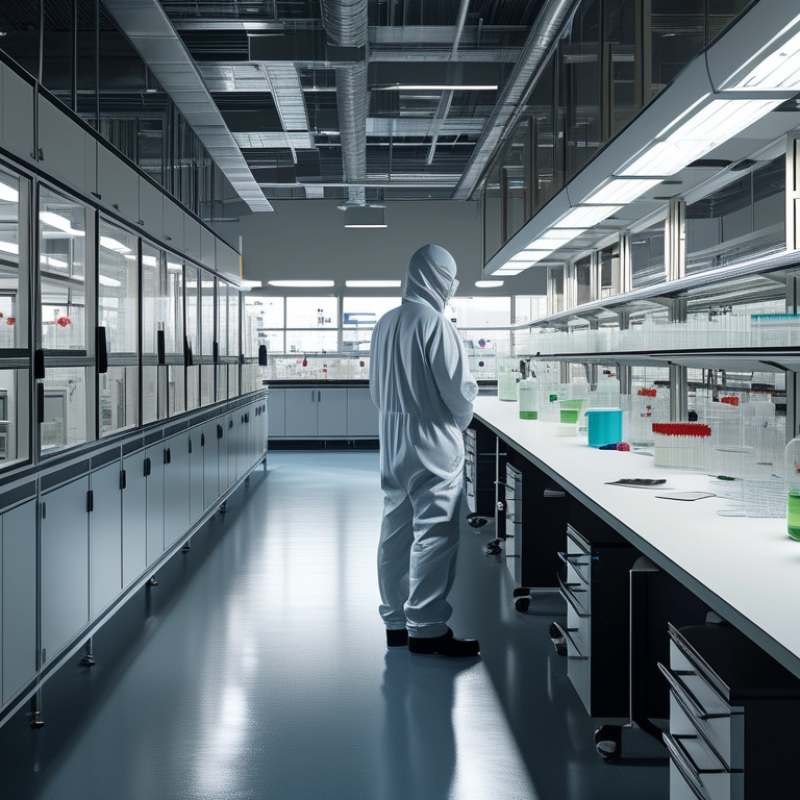
Laboratories are critical environments for scientific research and experimentation. However, they are vulnerable to various contaminants. These contaminants can compromise the integrity of experiments and affect results. Understanding how to reduce contamination in laboratory environments is essential for researchers.
Contamination can stem from multiple sources, including equipment, personnel, and the surrounding environment. To combat this, labs must implement stringent protocols. Personal protective equipment and proper sanitation practices play vital roles. Regular training for staff on these protocols ensures consistent adherence.
While efforts to maintain cleanliness are crucial, challenges remain. Some contaminants are elusive and difficult to detect. Additionally, human error can never be completely eliminated. Researchers must remain vigilant and adaptive to new threats. By continually assessing and refining contamination control measures, laboratories can enhance their reliability and overall outcomes.
Maintaining clean laboratory surfaces is crucial for minimizing contamination. Regular cleaning protocols should be established. Studies indicate that over 40% of laboratory samples may be compromised due to inadequate surface cleanliness. This underscores the importance of using effective cleansing agents. Employing solutions like 70% ethanol or specific quaternary ammonium compounds can significantly reduce microbial presence.
Incorporating routine monitoring is essential. A study by the Journal of Laboratory Automation found that 25% of labs fail to implement proper surface decontamination schedules. Regular microbial testing of surfaces helps identify hotspots. High-touch areas, like door handles and workstations, should be prioritized. It is important to keep a record of cleaning logs for accountability.
Additionally, training staff on best practices is vital. Many professionals may not fully understand the importance of surface cleanliness. Engaging workers in discussions about contamination risks can improve compliance. Visual reminders around the lab can reinforce these practices. Awareness and ongoing education are key to fostering a culture of cleanliness in laboratory environments.
| Practice | Description | Frequency | Effectiveness Rating |
|---|---|---|---|
| Regular Cleaning | Daily cleaning of surfaces with appropriate disinfectants. | Daily | High |
| Personal Hygiene | Ensuring lab personnel wash hands and use gloves. | Before every session | Critical |
| Equipment Maintenance | Regular maintenance and calibration of lab equipment. | Monthly | High |
| Waste Disposal | Proper disposal of hazardous and non-hazardous waste. | As needed | Essential |
| Use of Barriers | Implementing physical barriers such as biosafety cabinets. | Continuous | Very High |
Personal Protective Equipment (PPE) is crucial in maintaining a clean and safe laboratory environment. Wearing appropriate gear minimizes the risk of contamination from biological agents, chemicals, or other hazardous materials. Lab coats, gloves, and goggles are essential components. They serve not only as barriers but also as constant reminders of safety practices. Ensuring proper fit is important. Ill-fitting equipment can lead to exposure.
Regular training on PPE protocols is vital. Staff must understand the importance of wearing protective gear at all times. Many underestimate the risks involved. It’s not enough to have PPE available; proper usage is essential. Frequent refresher courses can help reinforce good habits. Practical demonstrations can reveal gaps in knowledge.
It’s worth noting that PPE alone does not eliminate contamination. Regular inspections and maintenance of the equipment are necessary. Some may overlook this aspect. Not all PPE withstands repeated use, and damaged gear can lead to dangerous situations. Laboratories should establish clear guidelines for inspecting and replacing PPE. Continuous improvement and adaptation are key to a successful safety program.
Contamination in laboratory environments poses significant risks. Regular training of laboratory staff focuses on contamination prevention. It ensures that the team is aware of best practices and emerging techniques. A study by the Journal of Clinical Microbiology indicates that proper training reduces contamination rates by up to 30%. This improvement highlights the importance of ongoing education.
Training sessions should cover various topics, such as aseptic techniques, equipment cleanliness, and personal protective equipment (PPE) usage. Frequent hands-on workshops increase staff engagement and retention of knowledge. According to a report by the American Society for Microbiology, facilities that implement continuous training see fewer incidents of contamination-related issues. Yet, not all laboratories prioritize this essential practice.
Staff may not consistently practice the principles they learn. Regular evaluations and refresher courses can address gaps in knowledge. Encouraging a culture of accountability is vital. Lab managers need to create an environment where staff feel responsible for maintaining cleanliness. Reports suggest that laboratories with a strong focus on training have a distinct advantage in achieving lower contamination rates. Yet, the challenge remains to keep the training relevant and engaging.
Laboratory environments demand the highest standards of cleanliness to ensure accurate results. Advanced filtration systems play a crucial role in reducing airborne contaminants. HEPA filters, for example, can capture 99.97% of particles as small as 0.3 microns. This effectiveness helps eliminate dust, bacteria, and even some viruses, creating a safer space for research and experiments.
Ventilation systems enhance airflow and maintain air quality. Proper ventilation minimizes the concentration of hazardous substances, ensuring a healthier lab environment. Utilizing controlled, directional airflow can further limit the spread of contaminants. However, maintenance of these systems is often overlooked. Regular checks are essential; clogged filters can worsen air quality instead of improving it.
While advanced systems are beneficial, they are not foolproof. Human error remains a significant risk factor. Lab personnel must be trained in best practices. Regular audits of cleanliness and equipment functionality help identify gaps. A proactive approach to maintenance and training is necessary to ensure that these systems operate effectively, reducing contamination risks significantly.
This chart illustrates the levels of airborne contamination before and after the implementation of advanced filtration and ventilation systems in laboratory environments.
Routine inspections and maintenance of lab equipment play a vital role in ensuring a contamination-free laboratory environment. Regular checks identify potential issues before they escalate. Inspecting surfaces, instruments, and storage areas can prevent cross-contamination, which is crucial in sensitive research areas. These inspections should include checking for signs of wear and tear on equipment.
Implementing a structured maintenance schedule is essential. Cleaning protocols should be clearly defined. Use appropriate cleaning agents for different surfaces. Clear labeling helps to avoid mix-ups and reduces human error. However, staff should remain vigilant, as even minor lapses can lead to contamination.
Training staff on proper maintenance procedures is also critical. Empowering team members fosters a culture of accountability. Yet, it is easy to overlook these tasks in busy periods. Regular reminders can help maintain focus on the importance of equipment maintenance. Continuous evaluation of these practices contributes to a safer and more reliable lab environment.
: PPE helps maintain a clean and safe environment by minimizing the risk of contamination from hazardous materials.
Ill-fitting PPE can lead to exposure, increasing the risk of accidents in the lab setting.
Ongoing training helps staff understand the importance of PPE and contamination prevention, reducing risks by up to 30%.
Training should focus on aseptic techniques, equipment cleanliness, and proper PPE usage for effective contamination prevention.
Regular inspections identify potential issues early, preventing cross-contamination and ensuring equipment is functioning properly.
Neglecting maintenance can lead to dangerous contamination and equipment failures, risking the safety of laboratory staff.
Creating a culture of accountability helps staff take responsibility for cleanliness and adherence to safety protocols.
Demonstrations reveal knowledge gaps and reinforce proper practices, making training more effective and engaging.
Regular evaluations and refresher courses can help address knowledge gaps and reinforce training concepts.
Clear labeling and structured cleaning schedules can help maintain focus and reduce human error during busy periods.
Reducing contamination in laboratory environments is crucial for ensuring accurate results and maintaining the safety of personnel. To achieve this, best practices for maintaining clean surfaces must be implemented, including regular cleaning protocols and the use of appropriate disinfectants. Furthermore, effective personal protective equipment (PPE) protocols should be established to minimize the risk of contamination from laboratory staff.
Regular training for laboratory personnel on contamination prevention techniques is also essential to ensure everyone is aware of their responsibilities and the importance of maintaining a clean environment. Additionally, utilizing advanced filtration and ventilation systems can significantly enhance air quality and reduce airborne contaminants. Lastly, conducting routine inspections and maintenance of lab equipment helps identify potential sources of contamination early on, fostering a proactive approach to laboratory cleanliness. By following these guidelines, laboratories can significantly enhance their efforts on how to reduce contamination in laboratory environments.
Mosholu Medical