Handling biological samples safely is crucial in various fields, including healthcare and research. Proper techniques ensure the integrity of samples and protect against contamination. Understanding how to handle biological samples safely is paramount for accurate test results. Safety protocols also minimize risks to personnel and the environment.
Inadequate handling can lead to unreliable data. For instance, improper storage conditions can degrade samples. Contamination from unclean tools can compromise experiments. These scenarios highlight the importance of training and adherence to guidelines. Awareness of potential hazards is essential for every technician or researcher.
Investing time in learning safe handling practices pays off significantly. It enhances the quality of results and ensures compliance with ethical standards. While protocols may seem tedious, they are designed to protect scientific integrity and human health. Continuous improvement in handling techniques can set the foundation for future innovations.
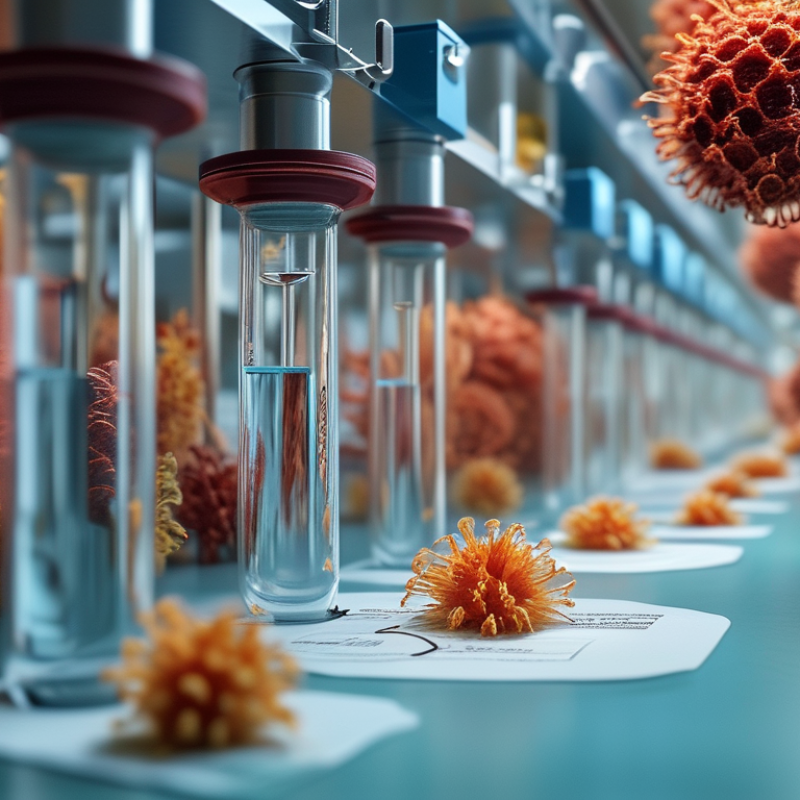
Biological samples are the cornerstone of many research initiatives. Their integrity directly affects the reliability of research outcomes. Even minor mishandling can lead to significant datasets being compromised. For instance, a simple temperature fluctuation can degrade a sensitive biological sample. Researchers must prioritize proper storage and transport conditions. Every detail, from temperature to light exposure, plays a crucial role.
Maintaining sample integrity requires rigorous protocols. Regular training for lab staff is essential. Awareness of proper handling techniques minimizes risks. Install monitoring systems to detect any environmental changes swiftly. It is surprising how negligence can lead to unreliable results. Researchers must reflect on their processes and look for potential improvements. Striving for excellence in sample management is not optional; it is vital for impactful research.
Handling biological samples properly is critical. Improper handling can lead to contamination. Contaminated samples compromise test results. This can mislead research and clinical practices.
One significant risk is cross-contamination. It can occur during collection, transportation, or storage. Even small amounts of foreign material can alter results. For example, blood samples can easily mix. This can invalidate experimental data.
Another concern is degradation. Factors like temperature and light exposure impact samples. For instance, DNA and RNA are particularly fragile. Exposure to heat can break down nucleic acids, rendering them unusable. Regular audits of storage conditions are essential. They ensure samples remain viable for testing. Reflection on current practices will help mitigate these risks.
Collecting and storing biological samples requires meticulous attention. Proper procedures ensure the integrity of samples. When samples are mishandled, data quality suffers. This can lead to inaccurate conclusions. Moreover, cross-contamination is a significant risk. Even a small error can compromise an entire study.
When collecting samples, use sterile equipment. This minimizes the risk of contamination. Immediate cooling is vital for preserving certain specimens. For example, blood samples degrade quickly if not stored correctly. Label samples clearly with date and time. Clear documentation aids in tracking and minimizes errors.
Storage conditions are equally critical. Freezing samples slows down biological processes. However, not all samples freeze well. Some may require refrigeration or room temperature storage. Regularly check storage equipment for reliability. Monitoring systems help prevent unexpected failures. Lastly, always review handling protocols. Mistakes are opportunities for improvement. Adapting practices can enhance future results.
| Practices | Importance | Recommended Temperature | Storage Duration |
|---|---|---|---|
| Avoid Cross-Contamination | Ensures integrity of samples | N/A | N/A |
| Use of Sterile Equipment | Minimizes risk of contamination | N/A | N/A |
| Proper Labeling | Prevents misidentification | N/A | N/A |
| Temperature Control during Transport | Preserves sample viability | 0°C to 4°C | Up to 48 hours |
| Immediate Refrigeration | Prevents degradation | -20°C | Months to Years (varies by sample type) |
Safe handling of biological samples is crucial for trustworthy experimental outcomes. Contamination at any stage can compromise results. Proper techniques reduce variability in experiments, allowing for accurate measurements and reliable conclusions. A misstep during sample collection or processing can lead to misleading data.
Tips for handling samples include regular training to maintain high standards. Ensure all staff are familiar with protocols. Use personal protective equipment, gloves, and masks to avoid contamination. Label samples clearly and always document each step.
Be aware of the importance of environmental conditions. Temperature and humidity can affect sample integrity. Regularly calibrate storage units and monitor conditions. Neglecting these factors can result in loss of data quality. Simple oversights can lead to significant errors down the line, impacting the validity of your research.
Handling biological samples requires strict adherence to regulatory compliance and ethical considerations. Numerous studies indicate that failure to comply can result in severe ramifications, such as lost research integrity and public distrust. For instance, the global market for biobanking is projected to exceed $60 billion by 2025, underscoring the importance of adhering to ethical protocols in sample handling.
Ethical lapses often arise from inadequate training or oversight. According to reports, about 30% of institutions experience non-compliance incidents. This creates a ripple effect, eroding trust among stakeholders. Researchers must understand that ethical violations not only hinder scientific progress but also jeopardize funding opportunities. Ensuring proper sample handling involves regular audits and ongoing education.
In the rush to achieve results, some may overlook compliance requirements. A survey revealed that almost 20% of researchers admitted to bypassing protocols under pressure. This highlights the critical need for continuous awareness of ethical guidelines. Prioritizing safety and ethics in sample management is not merely a regulatory box-ticking exercise; it is essential for maintaining the credibility of scientific research.
: Proper handling is critical to prevent contamination and ensure accurate test results.
Cross-contamination occurs when samples mix with foreign materials, compromising research results.
It can occur during collection, transportation, or storage of the samples, even with minute amounts.
Temperature and light exposure can degrade samples, especially fragile materials like DNA and RNA.
Use sterile equipment and cool samples immediately to maintain their integrity.
Clearly label each sample with the date and time to minimize tracking errors.
Proper storage can prevent degradation. Freezing may not be suitable for all samples.
Regularly check storage equipment and monitor conditions to prevent unexpected failures.
Regularly review protocols and reflect on mistakes. Adapt practices for better results.
Mishandling can lead to data quality issues and potentially inaccurate conclusions in research.
The safe handling of biological samples is crucial for the success of research projects, primarily because the integrity of these samples directly influences experimental outcomes and overall validity. To ensure reliability, researchers must understand common risks associated with improper handling, such as contamination or degradation. Implementing best practices for collecting and storing biological samples, including the use of proper containers and maintaining appropriate temperature controls, plays a vital role in preserving sample quality.
Additionally, adhering to regulatory compliance and ethical considerations is essential in maintaining the trust and integrity of research. Researchers must be well-informed about how to handle biological samples safely to avoid pitfalls that could compromise their work. By prioritizing safe handling practices, researchers can enhance the credibility of their findings and contribute to the advancement of science in a responsible manner.

Mosholu Medical