Why is sterile handling important in diagnostics? Because a diagnostic result begins before the analyzer starts. It begins with the swab, tube, gloves, bench, and operator. A single unnoticed touch can introduce bacteria, fungi, nucleic acids, or residues. The result may then look precise while describing contamination instead of the patient.
The World Health Organization’s Global Patient Safety Action Plan 2021–2030 identifies diagnostic safety as a major component of safer care. Its framework stresses reliable processes, competent staff, and reduced preventable harm. The CDC’s 2023 Antibiotic Resistance Threats Report also shows why accuracy matters. Resistant infections cause more than 2.8 million illnesses and over 35,000 deaths annually in the United States. Sterile handling cannot solve antimicrobial resistance alone. It can prevent avoidable confusion.
Clinical microbiologist Dr. Susan E. Sharp offers a useful warning: “A contaminated specimen can produce a clinically misleading result.” That sentence deserves attention. It is simple, but uncomfortable. A false-positive culture can trigger unnecessary treatment. A compromised molecular sample can hide the true signal. Both outcomes waste time and erode trust.
Good sterile practice means separating clean and dirty areas, changing gloves correctly, using sealed consumables, and documenting every deviation. It also means questioning routine. Did the swab touch the outside of the tube? Was the cap placed on the bench? Were controls acceptable?
Small details matter.
This article examines why is sterile handling important in diagnostics, using laboratory quality principles, current safety evidence, and practical workflow examples. It also acknowledges a difficult truth: even trained teams can make preventable mistakes.
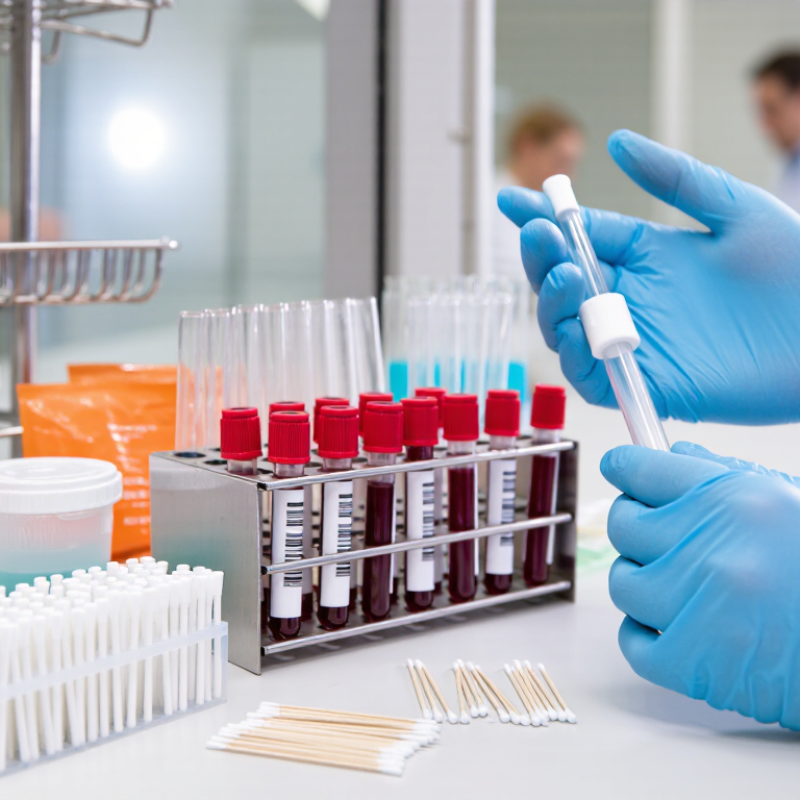
Sterile handling in diagnostic testing is a set of practices that prevents or minimizes contamination while specimens are collected, transferred, and prepared. It is more than cleaning a bench. It means using suitable sterile containers and tools, protecting open samples, and following procedures designed for the specific test. Small details matter.
The purpose is to help produce results that reflect the patient’s specimen, not unwanted microbes or material introduced during handling. A swab touching a countertop, an uncapped tube left beside another sample, or gloves moving from a phone to a specimen can affect reliability. In culture testing, contamination may complicate the interpretation of microbial growth. In molecular testing, carryover material can interfere with analysis. Staff reduce these risks by changing gloves when needed, keeping lids closed between transfers, and labeling samples clearly.
Sterile handling cannot guarantee a perfect result. No method is flawless. Collection quality, transport time, storage conditions, and instrument performance also influence testing. Requirements vary by specimen and method, so a procedure suitable for one test may not suit another. Busy work areas can make small steps easy to miss; reviewing those steps calmly can help improve practice without assuming every problem has a single cause.
| Dimension | Definition or Example | Why It Matters in Diagnostic Testing | Practical Handling Measures |
|---|---|---|---|
| Meaning of sterile handling | Using sterile supplies and controlled techniques to prevent the introduction of microorganisms into a specimen or a critical work area. | Unwanted organisms may alter results, obscure a clinically relevant organism, or make a specimen unsuitable for interpretation. | Follow the collection and test procedure; use sterile containers or instruments when specified and avoid touching surfaces that contact the specimen. |
| Sterile versus aseptic | Sterile describes the absence of viable microorganisms under a validated process; aseptic technique describes practices used to minimize contamination. | Using the terms correctly helps staff choose appropriate controls without assuming every diagnostic step requires a sterile environment. | Apply the level of control required by the specimen type, assay instructions, and laboratory procedure. |
| Specimen integrity | Maintaining the specimen's identity and condition from collection through transport and testing. | Contamination, leakage, or mix-ups can produce misleading findings or require recollection. | Use a suitable, intact container; label it at collection; seal it securely; and follow requirements for transport time and temperature. |
| Microbiology specimens | Examples include blood cultures and samples collected for bacterial or fungal culture. | Contaminating organisms can complicate interpretation, while poor collection may reduce recovery of the organism being investigated. | Use the collection method specified for the specimen, disinfect the designated site as instructed, and do not touch the cleaned area or sterile contact surfaces. |
| Molecular testing | Tests that detect nucleic acids, such as DNA or RNA, in patient specimens. | Carryover of nucleic acid from another sample or amplification product can contribute to false-positive results. | Use clean, designated work areas and filtered pipette tips where required; change gloves when contaminated and follow the assay's contamination-control procedures. |
| Equipment and work surfaces | Benches, instruments, and reusable equipment are cleaned or disinfected according to their intended use and laboratory procedures. | Residual material may contaminate specimens or interfere with certain analytical methods. | Use an appropriate disinfectant for the task, observe its specified contact time, and keep clean supplies separate from used materials. |
| Personal protective equipment | Gloves and other protective equipment are selected according to the task and assessed exposure risk; routine examination gloves are not necessarily sterile. | Appropriate PPE helps protect staff and reduces transfer of contamination between specimens and work areas. | Change gloves between tasks when indicated, perform hand hygiene, and use sterile gloves only when the procedure specifically requires them. |
| When sterile handling is required | The required level depends on the test, specimen, collection method, and applicable procedure; not every diagnostic specimen requires sterile collection. | Over- or under-applying sterile controls can cause unnecessary steps or compromise specimen quality. | Check the laboratory's specimen collection guide and the test instructions before collecting, processing, or transporting a sample. |
| Quality and documentation | Documented procedures define collection, handling, acceptance, and rejection criteria for specimens. | Consistent practices support traceability, reproducible testing, and timely identification of compromised specimens. | Record required collection details, report visible contamination or leakage, and follow local policy for assessing specimens that do not meet criteria. |
Note: Sterile and aseptic handling requirements vary by specimen and test. Always follow the applicable laboratory procedure and test instructions.
It may transfer from a glove that touched a phone, pen, or cabinet handle. Open tubes and reused tools can also spread residue.
Yes. Contamination may be invisible, and aerosols from uncapped samples can settle on nearby surfaces.
Collection, transport, opening, aliquoting, and storage can all introduce problems. Leaking caps, damp packaging, or temperature changes matter.
Separate clean and used items, change gloves between tasks, disinfect surfaces as directed, and keep tubes closed when possible.
Skin microbes may enter a sample and appear as pathogens. This can lead to extra testing or obscure the cause of infection.
Drying supports skin antisepsis and helps reduce microorganisms entering the specimen. A rushed collection can make this step easy to miss.
It is a quality target, not a promise that every result is reliable. Teams should still review contamination trends.
Compare trends by collection location, document difficult collections, and review workflow conditions. Cramped benches and interruptions may need attention, too.
Sterile handling is the set of practices used to prevent unwanted microorganisms and other contaminants from entering diagnostic samples, equipment, or work areas. Understanding why is sterile handling important in diagnostics begins with recognizing that contamination can alter test results, obscure the true condition of a sample, and lead to unreliable conclusions. Common risks include contact with unclean surfaces, improper use of gloves, open containers, and inadequate cleaning of instruments.
Reliable sterile practice involves preparing a clean workspace, using appropriate protective equipment, handling samples with sterile tools, keeping containers closed when possible, and disposing of used materials safely. Staff should also follow documented procedures, maintain equipment, and check that quality-control measures are consistently applied. These steps help protect both sample integrity and personnel while supporting accurate, repeatable diagnostic testing. When sterile technique is neglected, results may be misleading or require repeat testing, so careful handling is an essential part of dependable laboratory work.

 Mosholu Medical