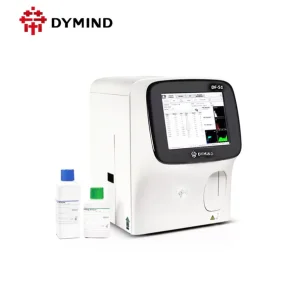
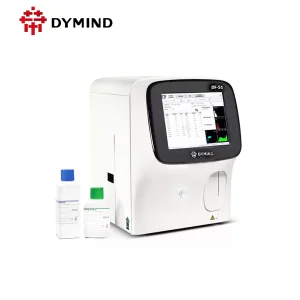
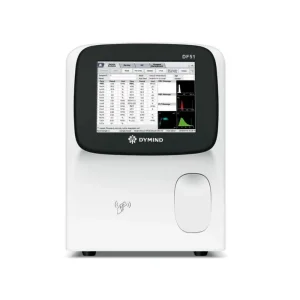
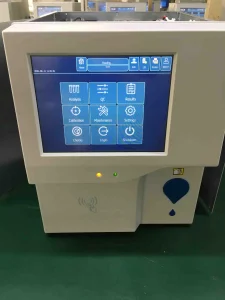
The global hematology testing market is currently valued at over $8 billion USD, driven by the increasing prevalence of blood-related disorders, such as anemia, leukemia, and infections. High-throughput automated systems are now the standard in developed economies, while emerging markets in Asia and Africa are rapidly transitioning from manual counting to 3-part and 5-part differential analyzers.
Modern hematology has moved beyond basic Cell Blood Counts (CBC). Today's industry focuses on fluorescence flow cytometry, digital image analysis for cell morphology, and the integration of C-Reactive Protein (CRP) testing into a single analyzer. AI algorithms are now assisting pathologists in identifying rare cell types with 99.9% accuracy.
Leading manufacturers must adhere to stringent IVD (In-Vitro Diagnostics) regulations. CE-IVDR in Europe and FDA 510(k) in the USA are the gold standards, ensuring that instruments provide reliable, repeatable results that clinicians can trust for life-critical decisions.
An expert review of the companies dominating the hematology landscape through innovation and reliability.
Based in Japan, Sysmex is the undisputed global leader in the hematology market, known for its XN-Series and high-end automation tracks.
A pioneer in the "Coulter Principle," they provide high-volume labs with robust systems like the DxH series.
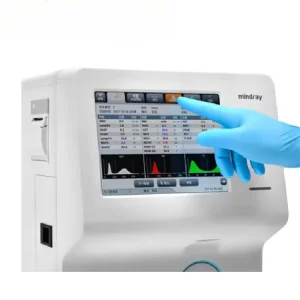
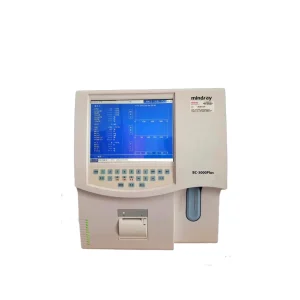
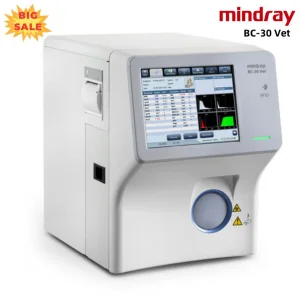
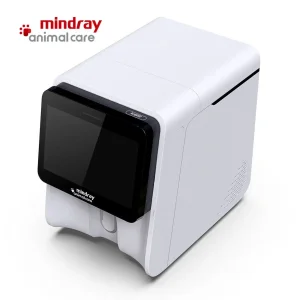
A powerhouse from China, Mindray offers a perfect balance of high-end performance and cost-effectiveness, widely used in over 190 countries.
Known for the Alinity and CELL-DYN platforms, focusing on laboratory efficiency and diagnostic integration.
Provides comprehensive solutions like the ADVIA series, focusing on multi-parameter analysis and automation.
Specializes in compact but powerful analyzers for mid-sized labs and clinics, particularly the Yumizen brand.
Renowned for Japanese precision, their Celltac series is highly regarded for its longevity and low maintenance.
Through their Medonic and Swelab brands, they dominate the decentralized testing market in rural regions.
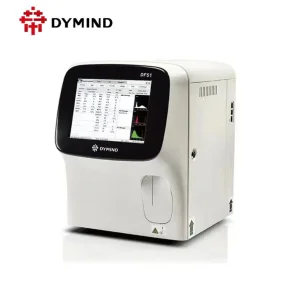
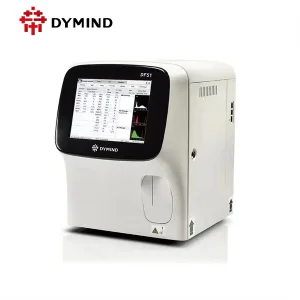
An emerging leader in integrated "Hematology + CRP" analysis, providing innovative solutions for pediatric and emergency clinics.
While focused on specialized diagnostics, their contribution to hematology quality control is foundational for laboratory reliability.
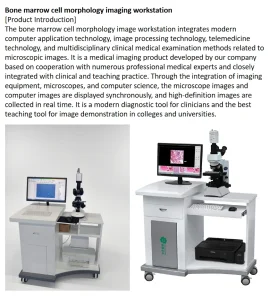
AI-driven morphology is replacing manual microscopy. Digital scanners now capture cell images and use neural networks to flag blasts, atypical lymphocytes, or parasites, significantly reducing the workload of hematologists.
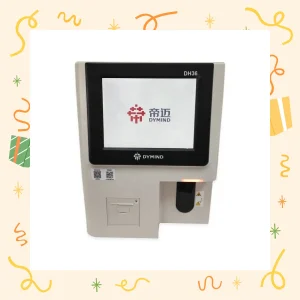
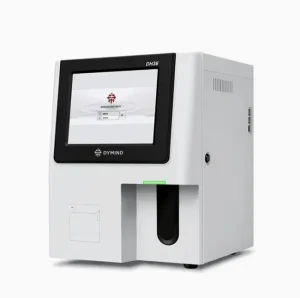
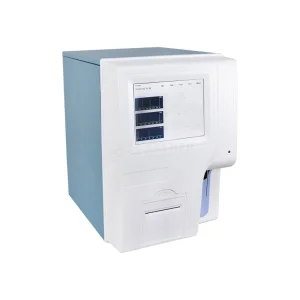
The shift toward "near-patient" testing is driving the demand for desktop 3-part differential analyzers. These are essential for rapid screening in emergency rooms and remote community health centers.
Large hospitals are moving toward "Total Laboratory Automation" (TLA), where hematology, chemistry, and immunology lines are physically linked to reduce human intervention and pre-analytical errors.
China has developed a sophisticated medical device ecosystem in regions like Shenzhen. By leveraging lean manufacturing, we provide high-precision instruments at a fraction of the cost of traditional Western brands without compromising on quality.
Modern procurement officers look for "Reliability-to-Cost" ratios. Chinese manufacturers excel here, offering open reagent systems (Open Systems) that allow laboratories to reduce their recurring operational costs significantly.
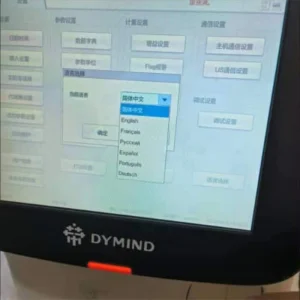
We understand that a clinic in Nigeria has different needs than a hospital in Brazil. Our team provides localized software interfaces, customized maintenance schedules, and robust logistics support to ensure uptime in any environment.
We specialize in the manufacturing and global distribution of a wide range of medical products, including hospital equipment, medical disposables, surgical dressings, laboratory products, and home healthcare solutions. With a strong commitment to the principle of “quality first, customer foremost,” we have earned the trust and recognition of clients across international medical markets.

Our product portfolio is designed to meet the diverse needs of hospitals, clinics, laboratories, and distributors, ensuring reliable performance, safety, and compliance with international standards. From essential medical consumables to advanced diagnostic and laboratory support products, we strive to deliver consistent quality and value.
Our experienced foreign trade team possesses in-depth knowledge of international trade procedures, regional medical regulations, and cross-cultural communication. This enables us to provide efficient and professional support throughout every stage of cooperation. We aim to be a true one-stop supplier, offering not only a comprehensive range of medical products but also integrated services including consultation, sourcing, order tracking, and after-sales support.
As a professional medical device supplier based in China, we adhere to the philosophy of “Quality First, Customer Supreme.” Backed by lean manufacturing capabilities and strict quality control systems, we are dedicated to building long-term partnerships and delivering dependable healthcare solutions to customers worldwide.
When selecting a supplier, understanding the technical requirements is vital. A 3-part hematology analyzer categorizes white blood cells (WBCs) into three types: lymphocytes, monocytes, and granulocytes. This is often sufficient for general practitioners and small clinics.
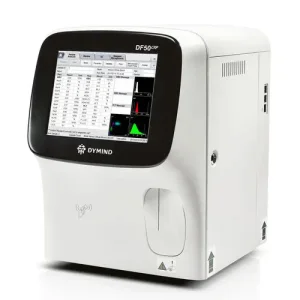
Conversely, a 5-part differential analyzer provides a more detailed breakdown, including neutrophils, eosinophils, and basophils. This level of detail is critical for diagnosing complex conditions like parasitic infections or specific types of allergic reactions. As a leading manufacturer, we provide both types, ensuring that laboratory directors can choose the right instrument based on their patient volume and diagnostic complexity.
Procuring hematology equipment is not just about the initial purchase; it's about the Total Cost of Ownership (TCO). Our factory ensures a steady supply of reagents, cleaners, and controls. We understand that in the clinical world, "downtime is not an option." This is why our quality control system involves multiple stages of testing before any unit is shipped to our global partners.
 Mosholu Medical