


The global biotechnology and pharmaceutical industries are witnessing an unprecedented phase of acceleration. As modern therapeutic modalities—such as monoclonal antibodies (mAbs), cell and gene therapies (CGT), recombinant proteins, and vaccine manufacturing—transition from benchtop research to large-scale production, the demand for highly reliable, sterile, and biologically inert cell culture supplies has reached critical levels.
Historically dominated by Western multi-nationals, the manufacturing landscape for cell culture supplies has undergone a structural shift. China's state-of-the-art production facilities, backed by significant investments in material sciences, cleanroom automation, and strict international quality systems, have emerged as the backbone of the global supply chain. Sourcing from a premier Chinese factory is no longer just a cost-saving measure; it is a strategic decision to enhance supply chain resilience, secure customizable design capabilities, and ensure consistent batch-to-batch performance under strict regulatory guidelines (ISO 13485, CE, and FDA standards).
Advancements in plasma chemical vapor deposition (CVD) have enabled Chinese factories to manufacture tissue culture (TC) treated plastics with highly consistent hydrophilic surfaces. This ensures optimal cell attachment and proliferation across challenging cell lines.
To minimize contamination risks and cross-over validation protocols, global industries are rapidly shifting to single-use bioreactor bags, shaker flasks, and fluid transfer assemblies. China's top tier suppliers lead this shift with integrated extrusion and welding setups.
Eliminating bacterial endotoxins, mycoplasma, and chemical leachables is paramount. Factories employ automated inline vision systems, coupled with USP Class VI raw materials, to ensure that no structural defects or contaminants enter final packaging.
Procurement professionals at biopharmaceutical enterprises, contract research organizations (CROs), and university diagnostic centers prioritize several key variables when identifying a long-term supply partner:
The performance of cell culture consumables is heavily defined by material properties. Below is an overview of standard plastic polymers utilized by premium Chinese factories:
| Material | Common Application | Key Physical Characteristics |
|---|---|---|
| Polystyrene (PS) | Multi-well Plates, Dishes, Flasks | High optical clarity, rigid, highly receptive to TC gas plasma treatment. |
| Polyethylene (PE) | Screw Caps, Storage Bottles | Excellent chemical resistance, low risk of extractables. |
| Polycarbonate (PC) | Erlenmeyer Shaker Flasks | High impact resistance, autoclavable, excellent gas transfer qualities. |
| PET / PETG | Media Bottles, Deep Well Plates | Exceptional gas barrier properties, high transparency, high mechanical strength. |
We specialize in the manufacturing and global distribution of a wide range of medical products, including hospital equipment, medical disposables, surgical dressings, laboratory products, and home healthcare solutions. With a strong commitment to the principle of “quality first, customer foremost,” we have earned the trust and recognition of clients across international medical markets.

Our product portfolio is designed to meet the diverse needs of hospitals, clinics, laboratories, and distributors, ensuring reliable performance, safety, and compliance with international standards. From essential medical consumables to advanced diagnostic and laboratory support products, we strive to deliver consistent quality and value.
Our experienced foreign trade team possesses in-depth knowledge of international trade procedures, regional medical regulations, and cross-cultural communication. This enables us to provide efficient and professional support throughout every stage of cooperation. We aim to be a true one-stop supplier, offering not only a comprehensive range of medical products but also integrated services including consultation, sourcing, order tracking, and after-sales support.
As a professional medical device supplier based in China, we adhere to the philosophy of “Quality First, Customer Supreme.” Backed by lean manufacturing capabilities and strict quality control systems, we are dedicated to building long-term partnerships and delivering dependable healthcare solutions to customers worldwide.
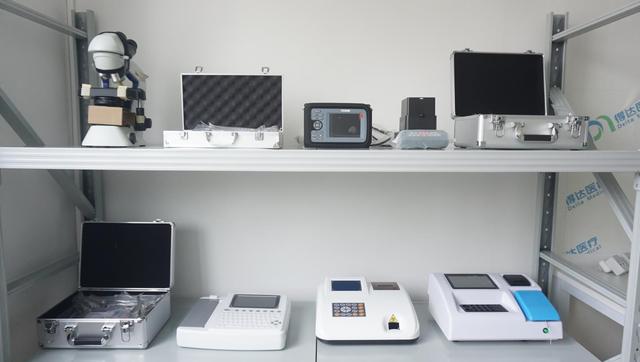
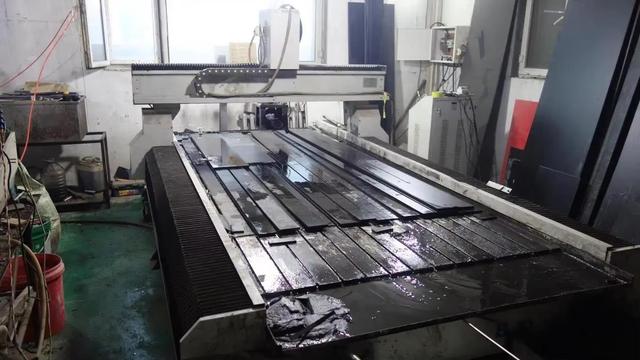
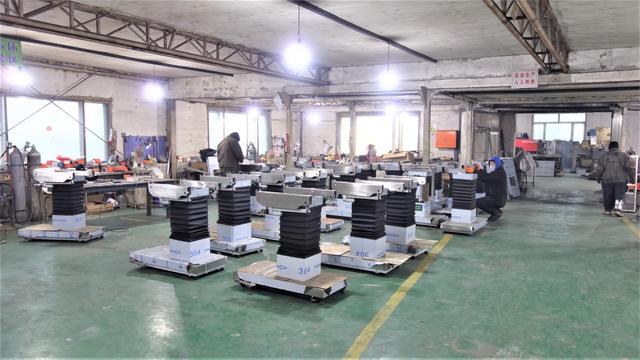
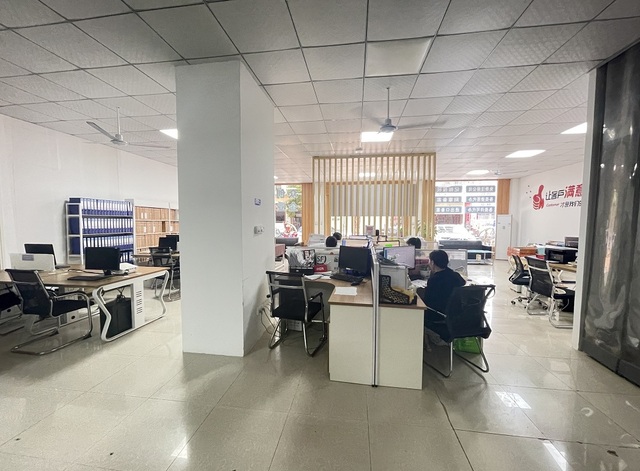
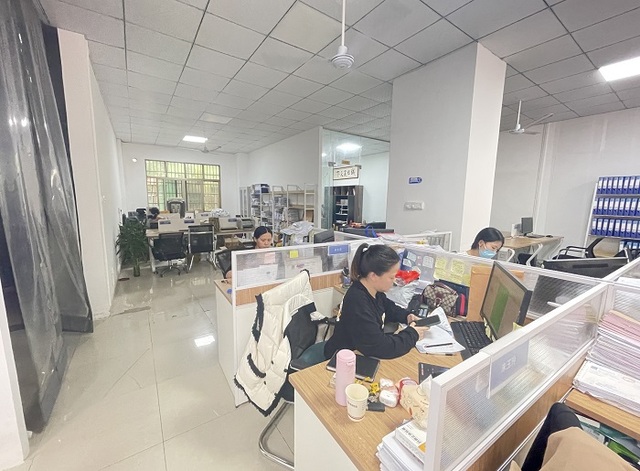

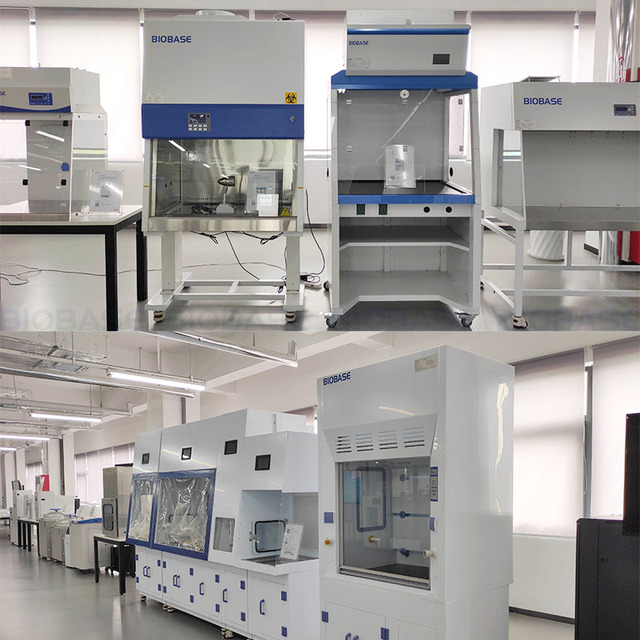
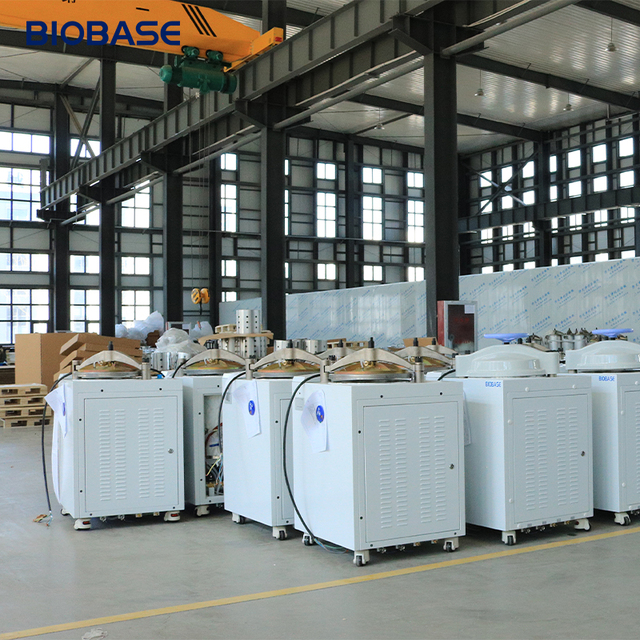
The modern Chinese manufacturing sector has moved beyond scale. The top cell culture supply factories operate at the intersection of robotic automation, advanced polymer engineering, and strict environmental monitoring. This digital and automated transformation directly addresses the primary risks associated with biological laboratory plastics: human contamination, micro-variability in raw materials, and package micro-breaches during shipping.
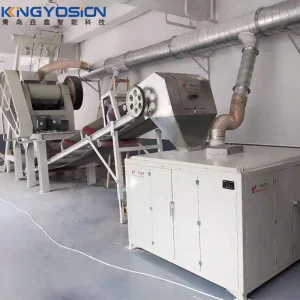
High-tonnage injection molding systems feed products directly into robotic handlers within ISO Class 8 (100,000) or ISO Class 7 (10,000) cleanrooms. Eliminating manual contact during demolding, transfer, and assembly minimizes initial bioburden load prior to sterilization.
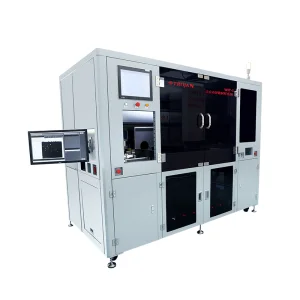
Equipped with high-resolution industrial cameras and neural-network-driven inspection systems, our assembly lines scan every piece for micro-scratches, air bubbles, and structural defects down to the micron level. Any defect is instantly ejected, ensuring optimal surface consistency.
Located adjacent to major deepwater ports like Shanghai, Ningbo, and Shenzhen, Chinese factories offer highly reliable global freight routing. Coupled with localized raw material sourcing, the supply chain remains resilient even during global trade fluctuations.
Optimized for scaling up anchor-dependent and suspension cell cultures. Our specialized flasks and bioreactor bags are perfect for the cultivation of CHO, Vero, and HEK-293 cell lines in therapeutic protein expression.
Enabling microfluidic and molecular diagnostic workflows. The deep-well plates and micro-well plates are designed for maximum optical transparency, minimizing autofluorescence in automated imaging and fluorescent readers.
High-grade cell lifestyle solutions tailored for tissue engineering, oncology models, and stem cell line expansion. The low-evaporation lids and ultra-flat growth surfaces ensure consistent growth kinetics.


 Mosholu Medical