A comprehensive analysis of contemporary clinical manufacturing, high-precision laboratory tools, and personal safety systems engineered in China.
Original Publisher Context:
We specialize in the manufacturing and global distribution of a wide range of medical products, including hospital equipment, medical disposables, surgical dressings, laboratory products, and home healthcare solutions. With a strong commitment to the principle of "quality first, customer foremost," we have earned the trust and recognition of clients across international medical markets.

Our product portfolio is designed to meet the diverse needs of hospitals, clinics, laboratories, and distributors, ensuring reliable performance, safety, and compliance with international standards. From essential medical consumables to advanced diagnostic and laboratory support products, we strive to deliver consistent quality and value.
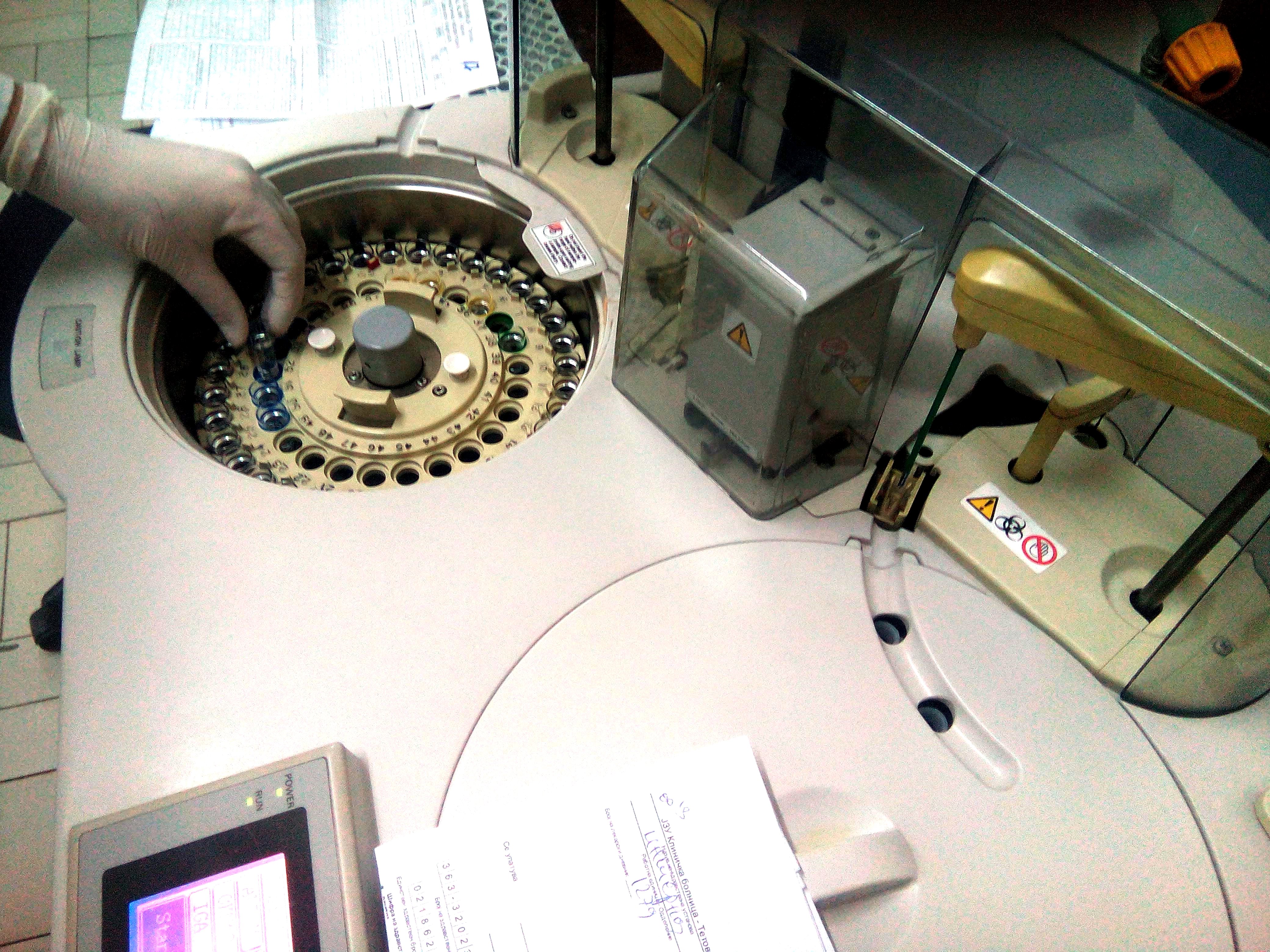
Our experienced foreign trade team possesses in-depth knowledge of international trade procedures, regional medical regulations, and cross-cultural communication. This enables us to provide efficient and professional support throughout every stage of cooperation. We aim to be a true one-stop supplier, offering not only a comprehensive range of medical products but also integrated services including consultation, sourcing, order tracking, and after-sales support.
As a professional medical device supplier based in China, we adhere to the philosophy of "Quality First, Customer Supreme." Backed by lean manufacturing capabilities and strict quality control systems, we are dedicated to building long-term partnerships and delivering dependable healthcare solutions to customers worldwide.
Understanding the infrastructural strengths, technology clusters, and economic scale that drive China's preeminence in medical-grade supply.
Unlike many regional producers, Chinese clusters in Zhejiang, Jiangsu, and Guangdong integrate everything from raw polymer extraction (polypropylene, medical-grade ABS) to precise molding, sterilization, and automated packaging. This localized proximity limits supply shocks and optimizes lead-time efficiency.
Tier-1 manufacturers operate state-of-the-art Class 100,000 (ISO Class 8) cleanrooms. These operations adhere to strict NMPA (China FDA), CE-MDR, and FDA guidelines, ensuring that critical items like rapid test consumables and blood collection needles meet biosecurity standards.
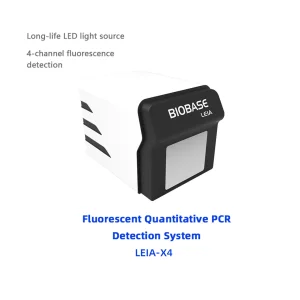
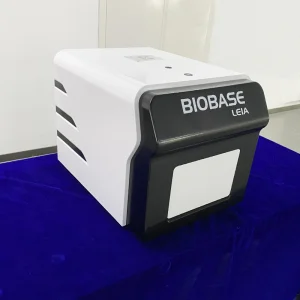
Through rapid implementation of automation, automated vision-inspection systems, and high-efficiency thermal cycler assemblies, Chinese suppliers deliver laboratory-grade equipment at a fraction of the cost found in Western markets without sacrificing structural or chemical fidelity.
How automation, smart molecular testing, and eco-friendly raw materials are redefining the next generation of medical procurement.
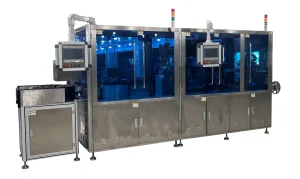
Modern clinical settings require error-free fluidic delivery and specimen container manufacturing. Top factories are adopting real-time vision-capping technologies (like the Automatic Vial Filling & Capping Machine) that utilize machine learning cameras to spot microscopic alignment discrepancies on capping lines.
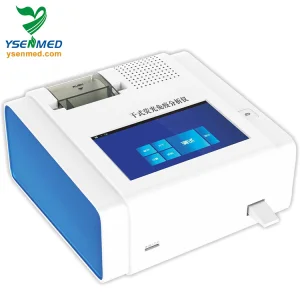
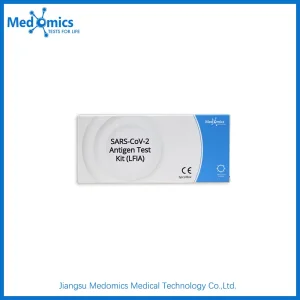
Healthcare is rapidly shifting towards localized testing. Central laboratories are supported by micro-POCT systems, which require custom-designed rapid antigen cartridges, extra-long aerosol filter tips, and compact immunoassay analyzers to deliver immediate diagnostic metrics in outpatient clinics.
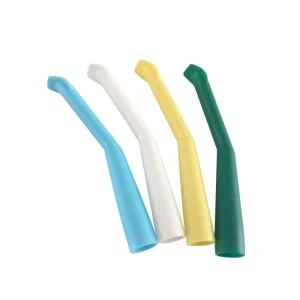
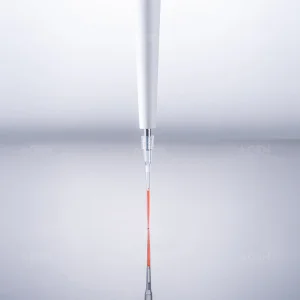
To address environmental concerns, leading manufacturers are investing in next-generation biodegradable plastics, bio-based PP resins, and recyclable packaging options for dental suction tubes, saliva collection kits, and high-volume pipette tips, reducing medical carbon footprints globally.
Exploring the direct application of medical consumables and equipment across clinical, laboratory, and field research environments.
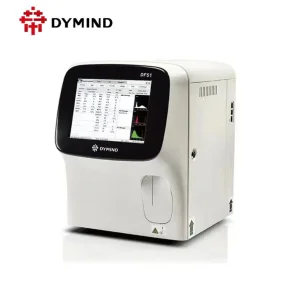
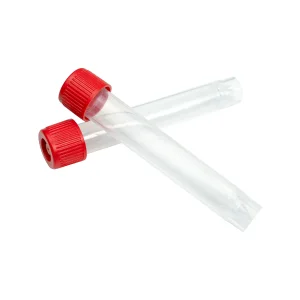
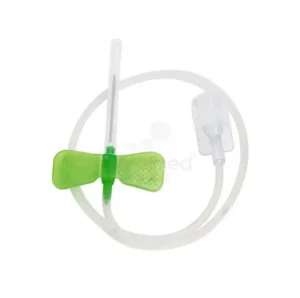
In clinical hematology and pathology setups, high-precision equipment like 5-Part Auto Blood Analyzers require compatible, pyrogen-free consumables. Vacuum blood collection tubes and flashback needles must guarantee seamless physical interfaces to eliminate micro-clotting risks and sample degradation during centrifugation.
Real-time PCR operations depend heavily on thermal cyclers and filter tips that block aerosol transmission. Lab workflows require 10µL and 1000µL filter tips designed with ultra-low retention polymer surfaces to prevent expensive Master Mix residues from altering amplification curves.
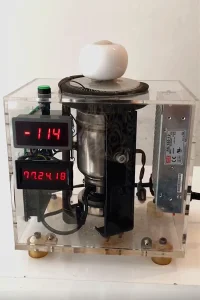
Biomaterial banking requires transport systems capable of resisting extreme thermal dynamics. Cryotubes containing viral transport media (VTM) must undergo rigorous pressure tests to withstand liquid nitrogen storage (-196°C) and helium-powered Stirling refrigeration cycles without cracking or leaking.
Moving beyond transactional sourcing towards end-to-end medical supply chain integration, OEM/ODM development, and logistics compliance.
We offer professional mold design services in China for custom-designed collection tubes and specialized multi-channel pipette configurations. Working from initial CAD blueprints to pilot-run cleanroom extrusions, we drastically accelerate time-to-market for medical brands.
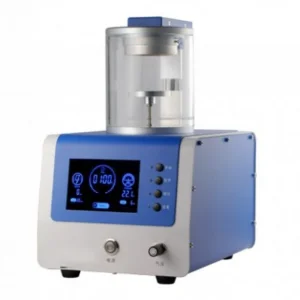
Maximize shipping density by combining complex diagnostic systems (such as POCT immunoassay equipment or sputtering systems) with high-volume lightweight consumables (saliva collectors, cryotubes, and suction lines) under a unified Bill of Lading.
Our in-house regulatory affairs team supports partners through regional registration pipelines, preparing CE technical files, BfArM listings, and complete documentation packages to simplify import clearance protocols.
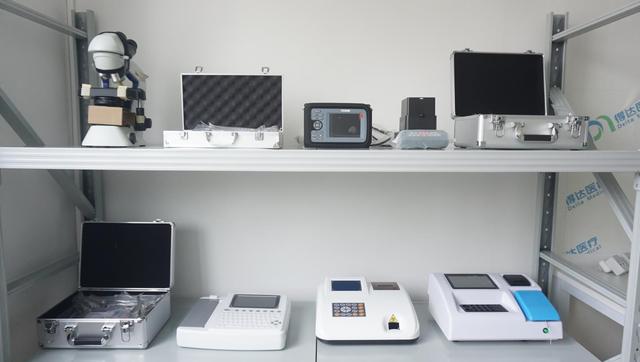
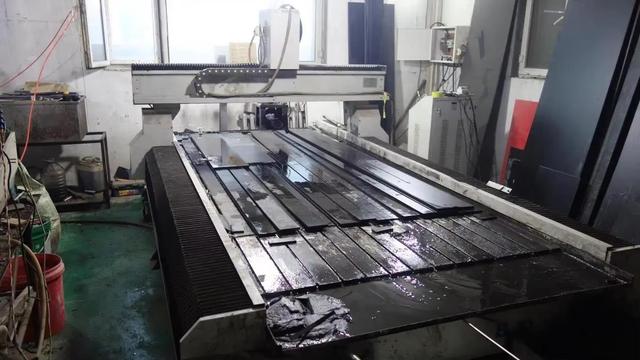
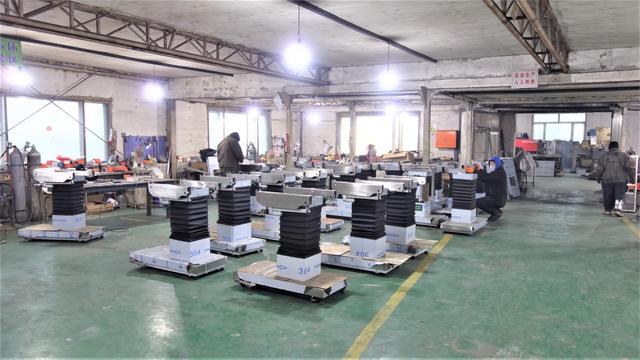
A visual overview of our manufacturing processes, strict raw material inspections, automated packaging, and global logistics prep.
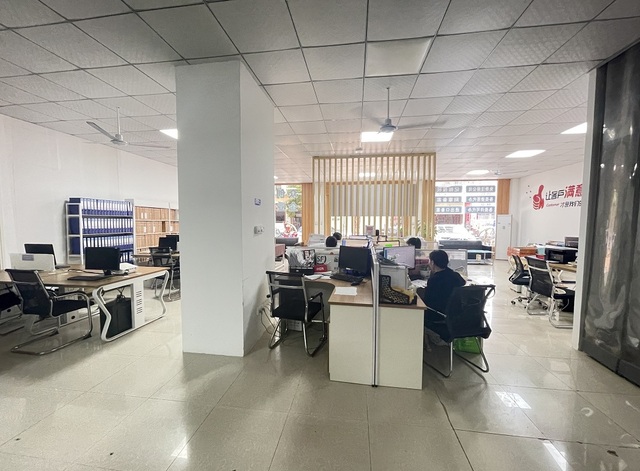
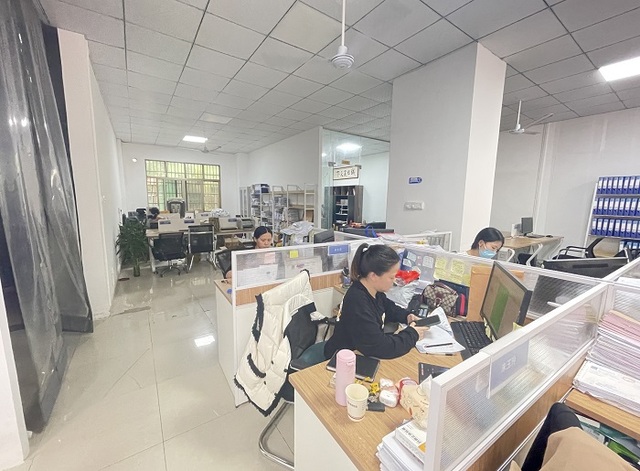

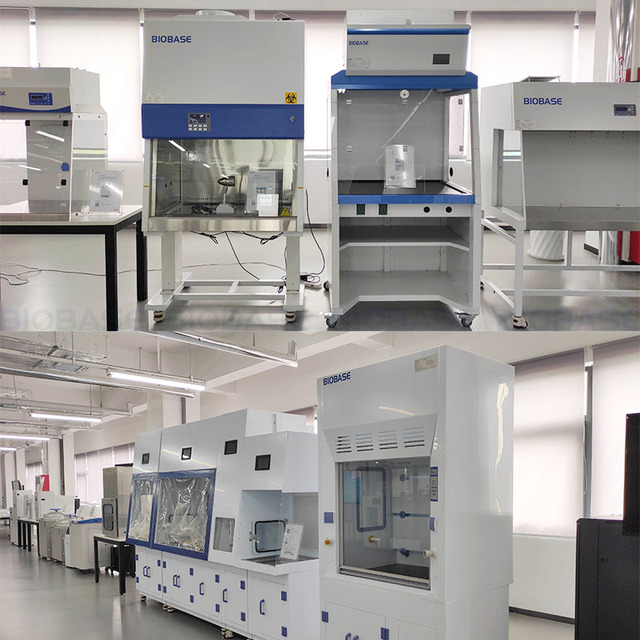
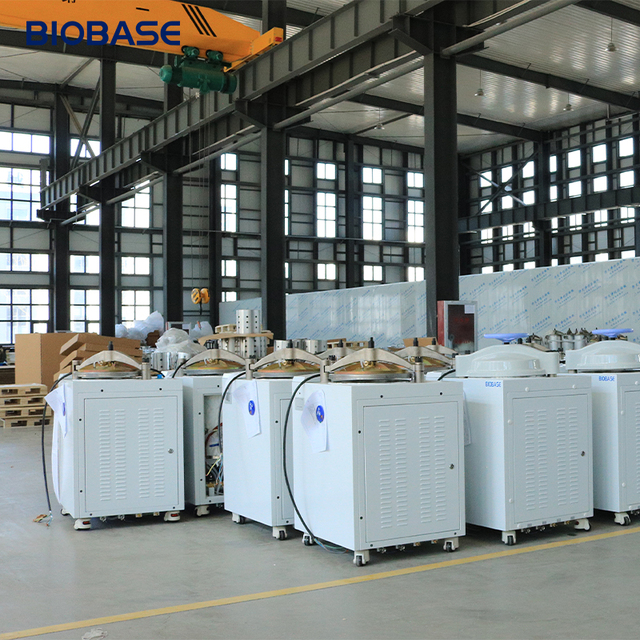
A quick-reference workflow guide designed for global purchasing managers looking to minimize supply chain disruptions.
Always request verified copies of the manufacturer’s ISO 13485 Quality Management System certificate and verify CE Declarations of Conformity against European databases (EUDAMED). Verify that the registered manufacturer name matches the shipping documentation perfectly.
Request material safety data sheets (MSDS) detailing chemical raw materials. For PCR consumables and specimen tubes, confirm they are certified DNase-free, RNase-free, and pyrogen-free. Any trace of organic contaminants can render downstream diagnostic runs invalid.
Before initiating multi-container procurement, request a production-run sample batch. Conduct testing with your diagnostic instruments (such as POCT systems and hematology analyzers) to confirm fitment tolerances, suction pressure capacities, and automated optical cap identification.
Answering key logistical and technical questions from international procurement directors.
To export medical disposables, diagnostic consumables, and equipment globally, factories must secure an ISO 13485 certification alongside specific target-market approvals. For the European Union, CE marking (under the MDR 2017/745 or IVDR 2017/746 regulations) is mandatory. For the United States, FDA registration and 510(k) clearance (where applicable) are required. Manufacturers must also maintain export customs clearances registered with the China National Medical Products Administration (NMPA).
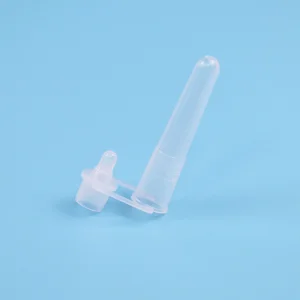
Molecular biology operations require an environment free of contaminating nucleic acids and enzymes. Producing items like DNA/RNA antigen rapid test extraction tubes, filter pipette tips, and PCR vials inside certified Class 100,000 cleanrooms limits background molecular contaminants. This helps prevent false-positive diagnostic outcomes during high-sensitivity thermal cycling or POCT assessments.
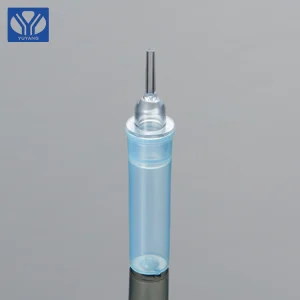
Universal-fit consumables must be manufactured with strict dimensional tolerances (often down to +/- 0.05mm). Premium mold components and optical vision inspection platforms verify that the flange, length, and concentricity of pipette tips and specimen vials fit perfectly with automated liquid-handling robots and clinical analyzers, preventing tip ejection failures and fluid leaks.
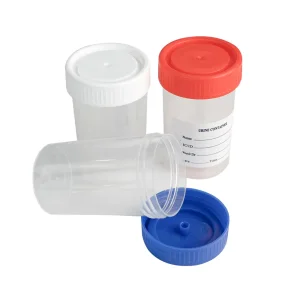
For standard off-the-shelf laboratory consumables (such as saliva collection containers or dental tubes), lead times range from 15 to 25 days depending on the batch size. MOQs typically depend on automated packaging runs; smaller diagnostic consumables range from 50,000 to 100,000 units, while capital equipment (like hematology analyzers and PCR cyclers) features MOQs starting from a single unit. Custom OEM mold configurations usually require 30 to 45 days for tool fabrication and initial sample approvals.
 Mosholu Medical