Engineered for extreme precision, international safety standards, and molecular consistency.
In modern pathology and clinical diagnostic laboratory sciences, it is widely recognized that the pre-analytical phase accounts for up to 70% of all diagnostic errors. The preservation of biological material from the point of extraction to analytical measurement is paramount. Sample Transport Solutions represent the critical engineering infrastructure required to maintain sample stability, prevent degradation of volatile analytes, and control bacterial bio-burden during transit.
The integrity of biospecimens, including whole blood, serum, plasma, urine, tissue blocks, and viral transport media (VTM), is highly susceptible to variables such as mechanical shear, temperature fluctuations, atmospheric pressure adjustments, and optical radiation exposure. Inadequate specimen containment or temperature control leads to hemolysis, cell lysis, chemical decomposition, and degradation of nucleic acids (DNA/RNA). A failure to maintain the cold chain or containment standard risks false negative reports, delayed clinical diagnosis, and compromised therapeutic protocols.
By enforcing strict mechanical isolation and thermal stability during specimen transit, laboratories can reduce diagnostic re-run frequencies by more than 40%, generating notable savings and significantly reducing patient stress. Robust CE-certified sample transport containers prevent the propagation of laboratory-acquired infections and guarantee clinical teams receive reliable molecular data.
To handle biological samples safely across global networks, organizations must adhere to strict biosafety standards set by major international bodies. These standards govern packaging, thermal insulation, and biohazard containment. The standard framework relies on the Triple Packaging System, specifically configured to meet United Nations regulatory guidelines:
For shipping biological agents, pathogens are divided into category classifications. Category A (UN 2814/UN 2900) covers highly infectious pathogens capable of causing permanent disability or life-threatening disease. Category B (UN 3373) covers diagnostic specimens routinely shipped for medical screening. Compliance with these categories requires rigid validation protocols, including drop tests from heights up to 9 meters and differential pressure testing of at least 95 kPa.
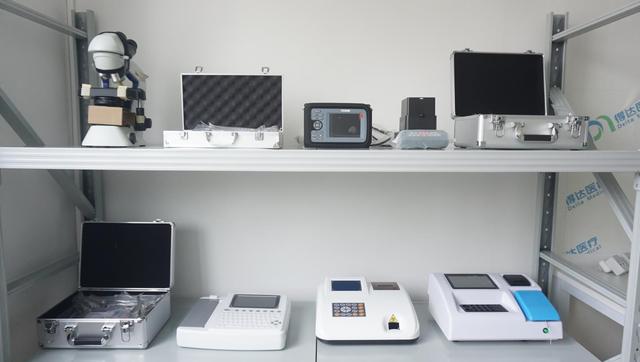
We specialize in the manufacturing and global distribution of a wide range of medical products, including hospital equipment, medical disposables, surgical dressings, laboratory products, and home healthcare solutions. With a strong commitment to the principle of “quality first, customer foremost,” we have earned the trust and recognition of clients across international medical markets.

Our product portfolio is designed to meet the diverse needs of hospitals, clinics, laboratories, and distributors, ensuring reliable performance, safety, and compliance with international standards. From essential medical consumables to advanced diagnostic and laboratory support products, we strive to deliver consistent quality and value.
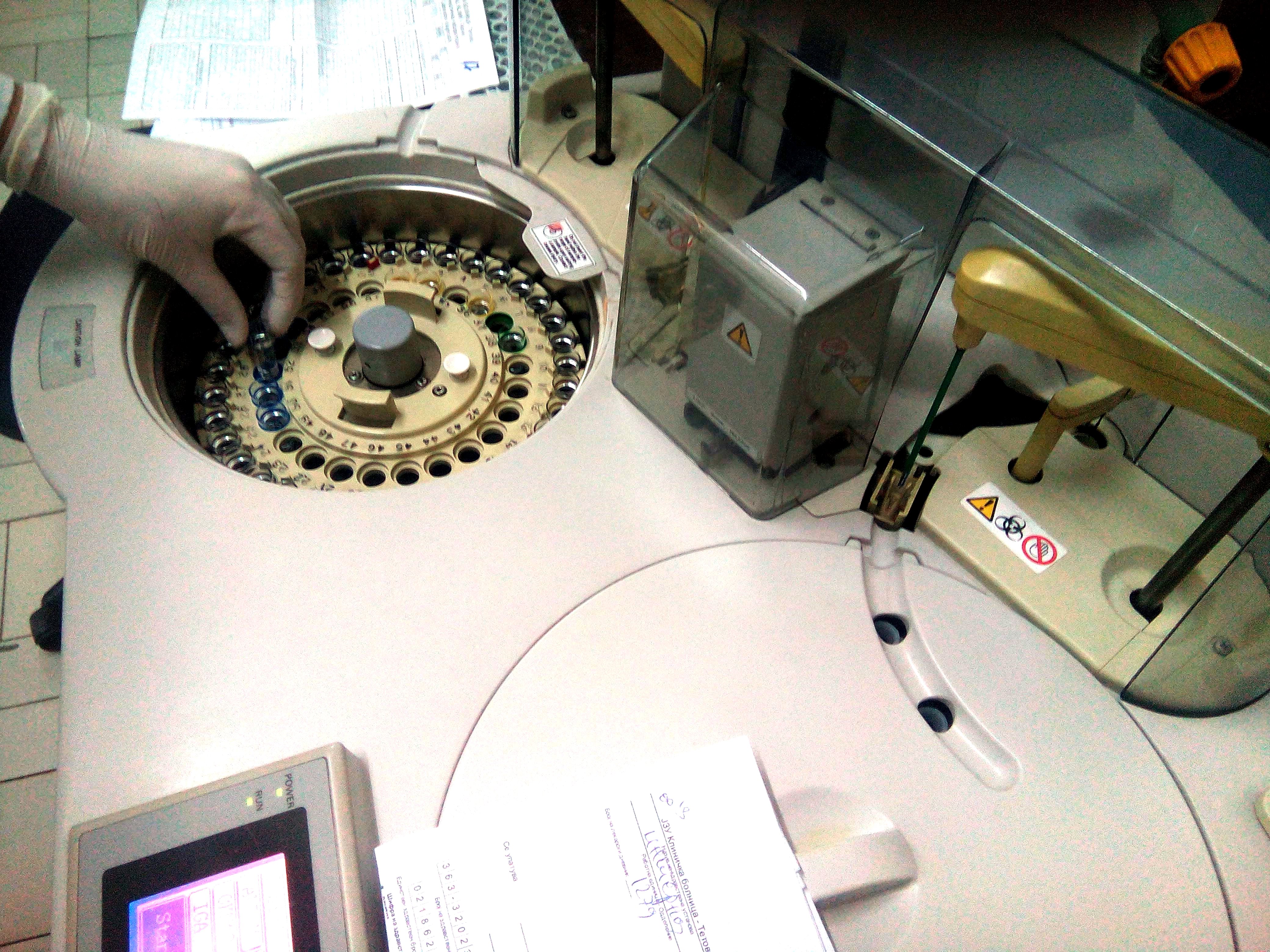
Our experienced foreign trade team possesses in-depth knowledge of international trade procedures, regional medical regulations, and cross-cultural communication. This enables us to provide efficient and professional support throughout every stage of cooperation. We aim to be a true one-stop supplier, offering not only a comprehensive range of medical products but also integrated services including consultation, sourcing, order tracking, and after-sales support.
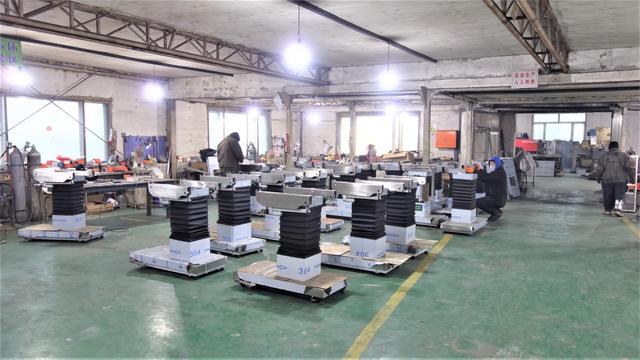
As a professional medical device supplier based in China, we adhere to the philosophy of “Quality First, Customer Supreme.” Backed by lean manufacturing capabilities and strict quality control systems, we are dedicated to building long-term partnerships and delivering dependable healthcare solutions to customers worldwide.


The global logistics network for biological samples requires navigation through complex legal and customs frameworks. In the European Union, the introduction of the In-Vitro Diagnostic Regulation (IVDR EU 2017/746) has elevated compliance standards for all reagents, diagnostic kits, and transport media. This regulation changes target validation pipelines, calling for comprehensive performance evaluation studies and continuous post-market monitoring.
Meanwhile, in the United States, FDA regulations demand strict adherence to premarket notification procedures [510(k)] or registration exemptions depending on product classifications. To facilitate trouble-free customs clearance, exporter paperwork must clearly identify the nature of the biological specimens, biosafety classifications, declared values, and regulatory clearances. Delays at international borders can ruin temperature-sensitive payloads; therefore, maintaining compliance documentation like MSDS (Material Safety Data Sheets), CE certifications, and import licenses is vital for keeping cold chains intact.
Multi-site Phase II and Phase III pharmaceutical trials require consistent sample preservation over long distances. High-performance, validated insulated packaging keeps biological samples stable as they travel from regional clinical sites to central analysis hubs.
For rural epidemiological screening and viral disease monitoring, reliable sample transport solutions ensure specimen collection bags remain clean and stable without active refrigeration in challenging field environments.
Long-term archival storage and biobank distribution networks depend on dry-ice or cryogenic storage. Durable, insulated shippers keep tissue samples at steady ultra-low temperatures.
The future of clinical sample transport relies on smart technology integration. Static passive container systems are giving way to dynamic, connected ecosystems. In our future product roadmap, we are incorporating several key innovations:
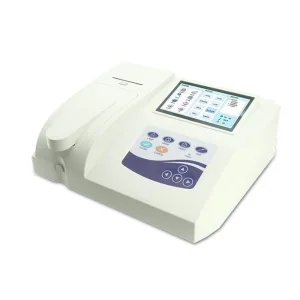
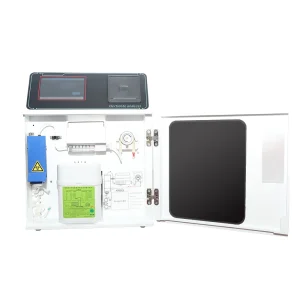
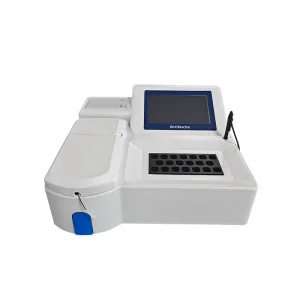
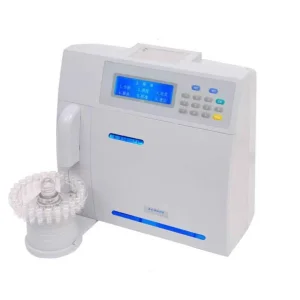
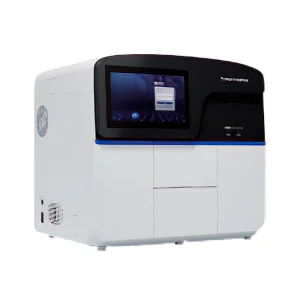
Reliable analysis systems configured for hospitals, commercial pathology hubs, and research centers.
Technical clarifications, compliance inquiries, and quality metrics regarding sample transport safety.
 Mosholu Medical