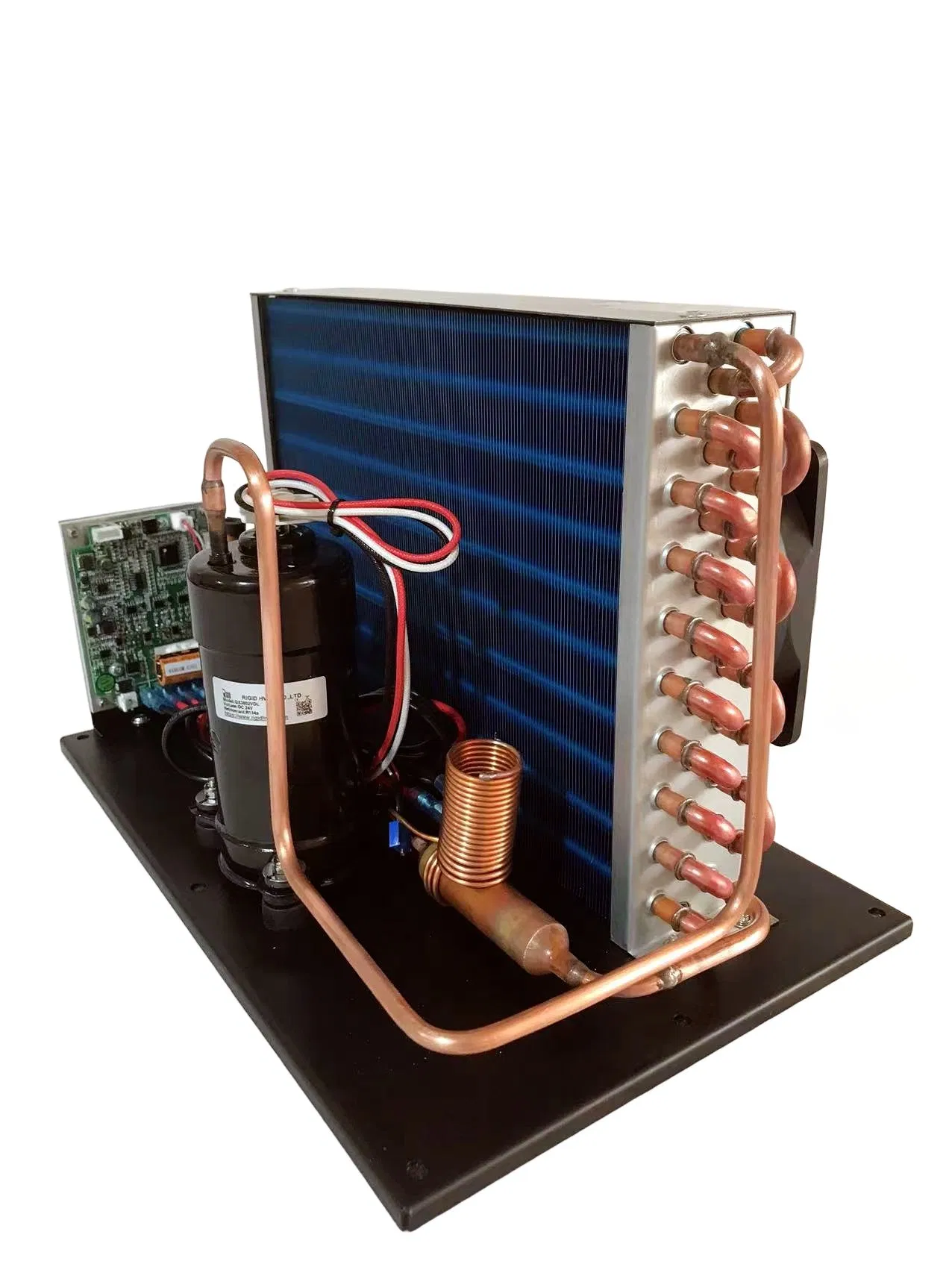
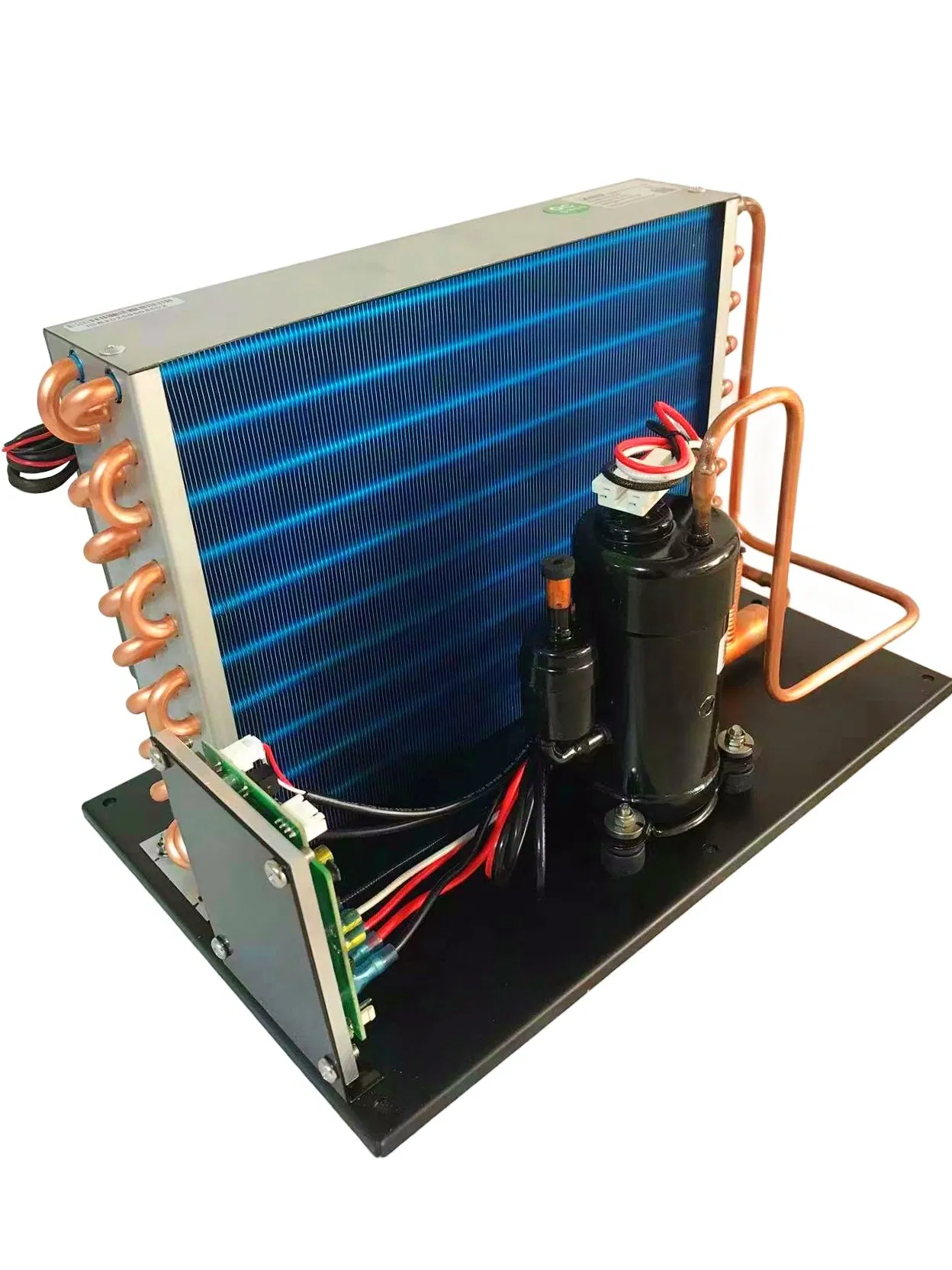
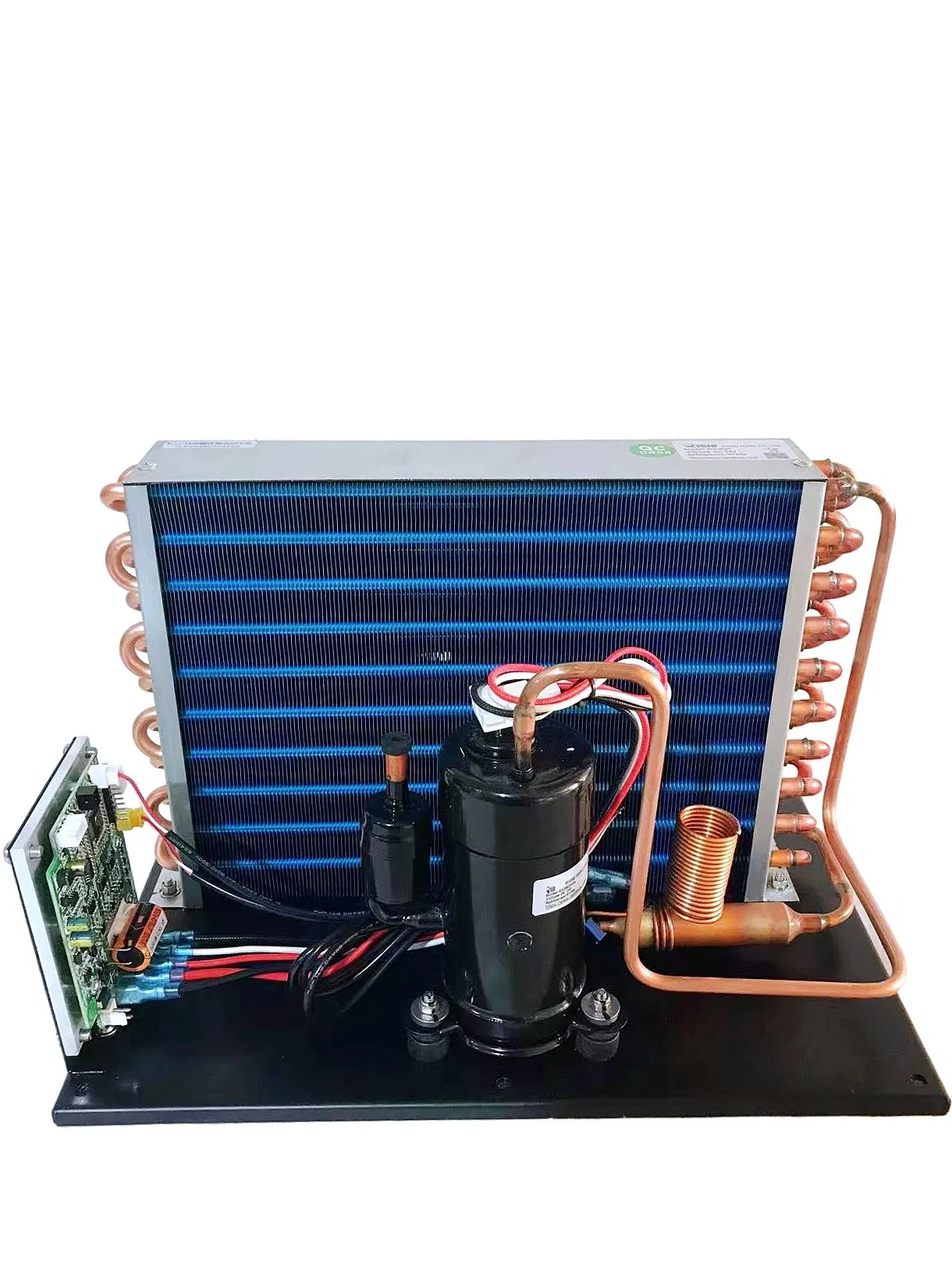
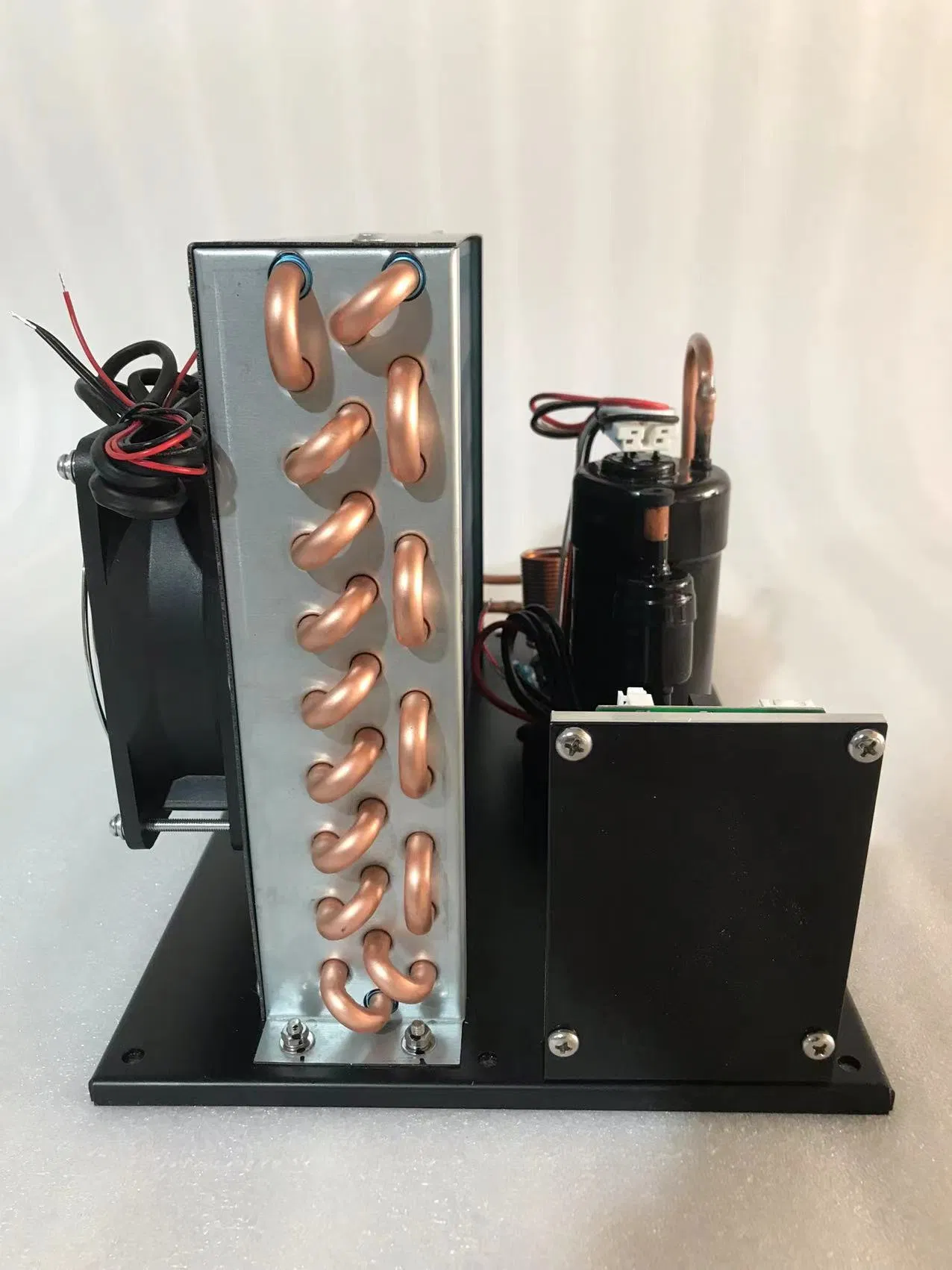
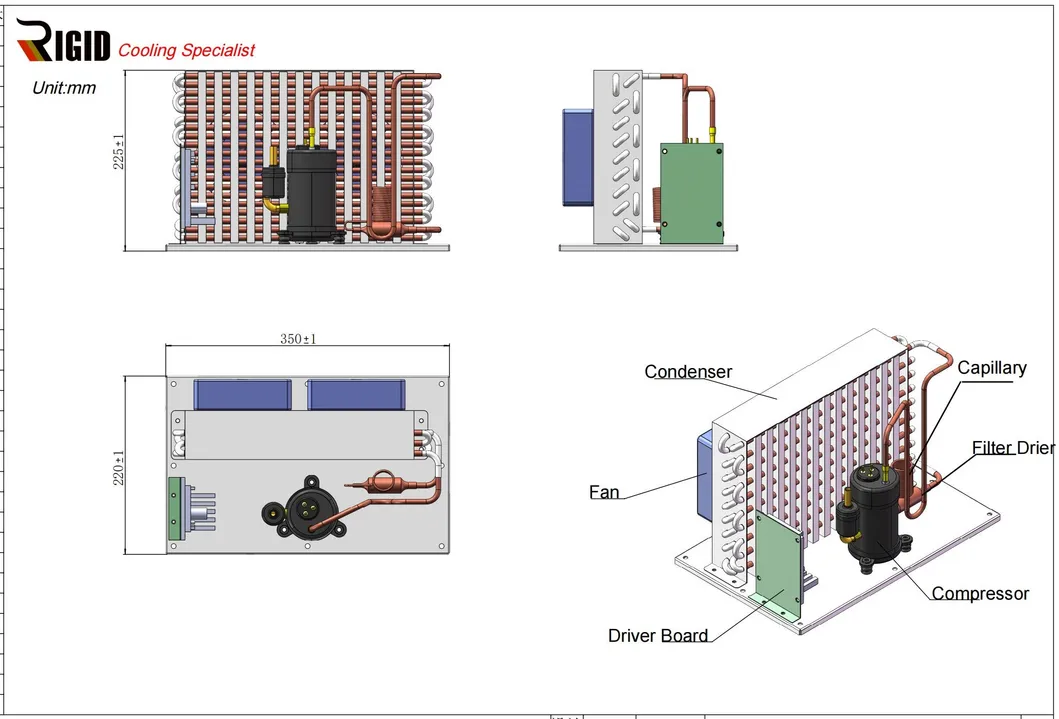
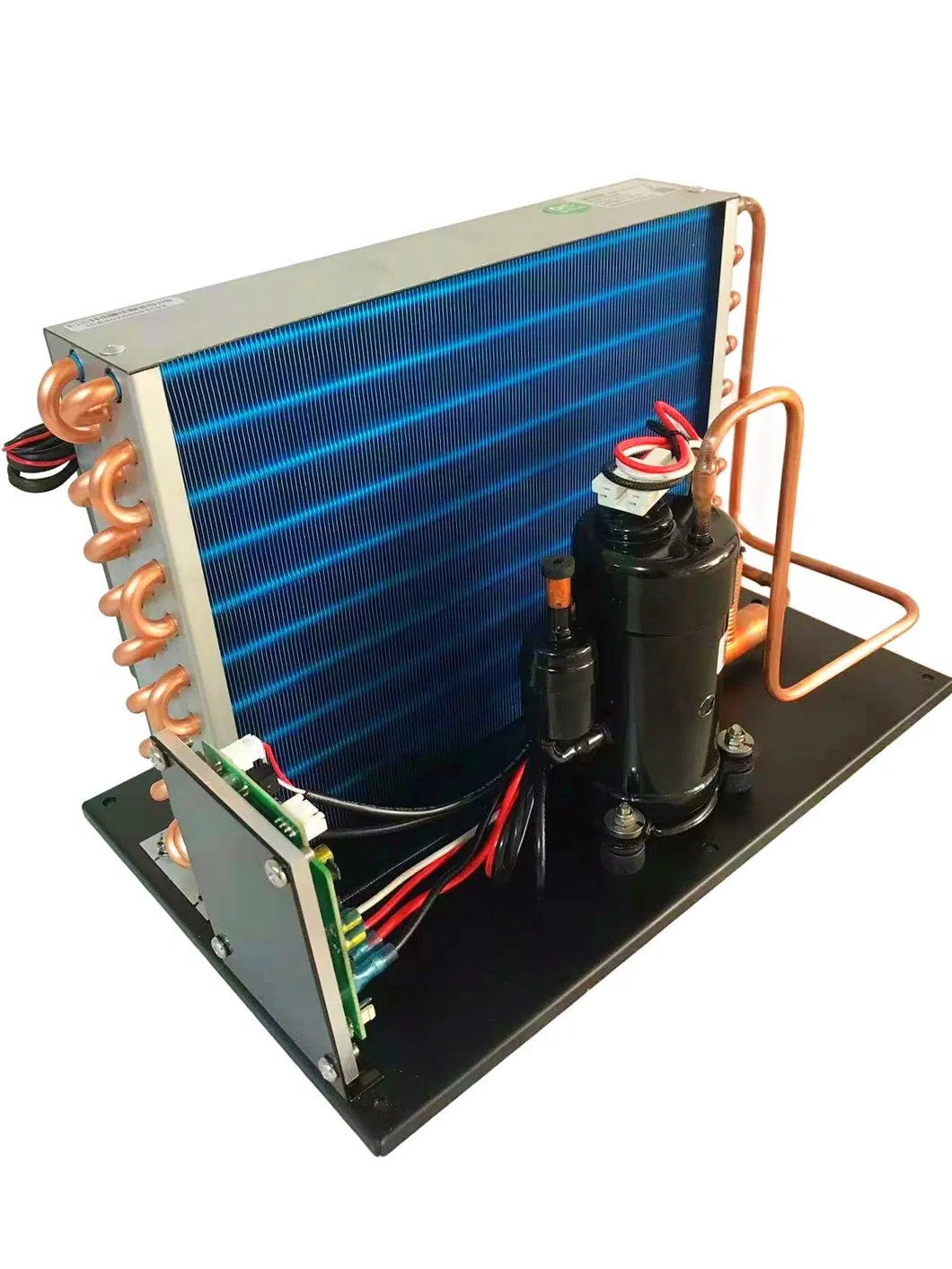
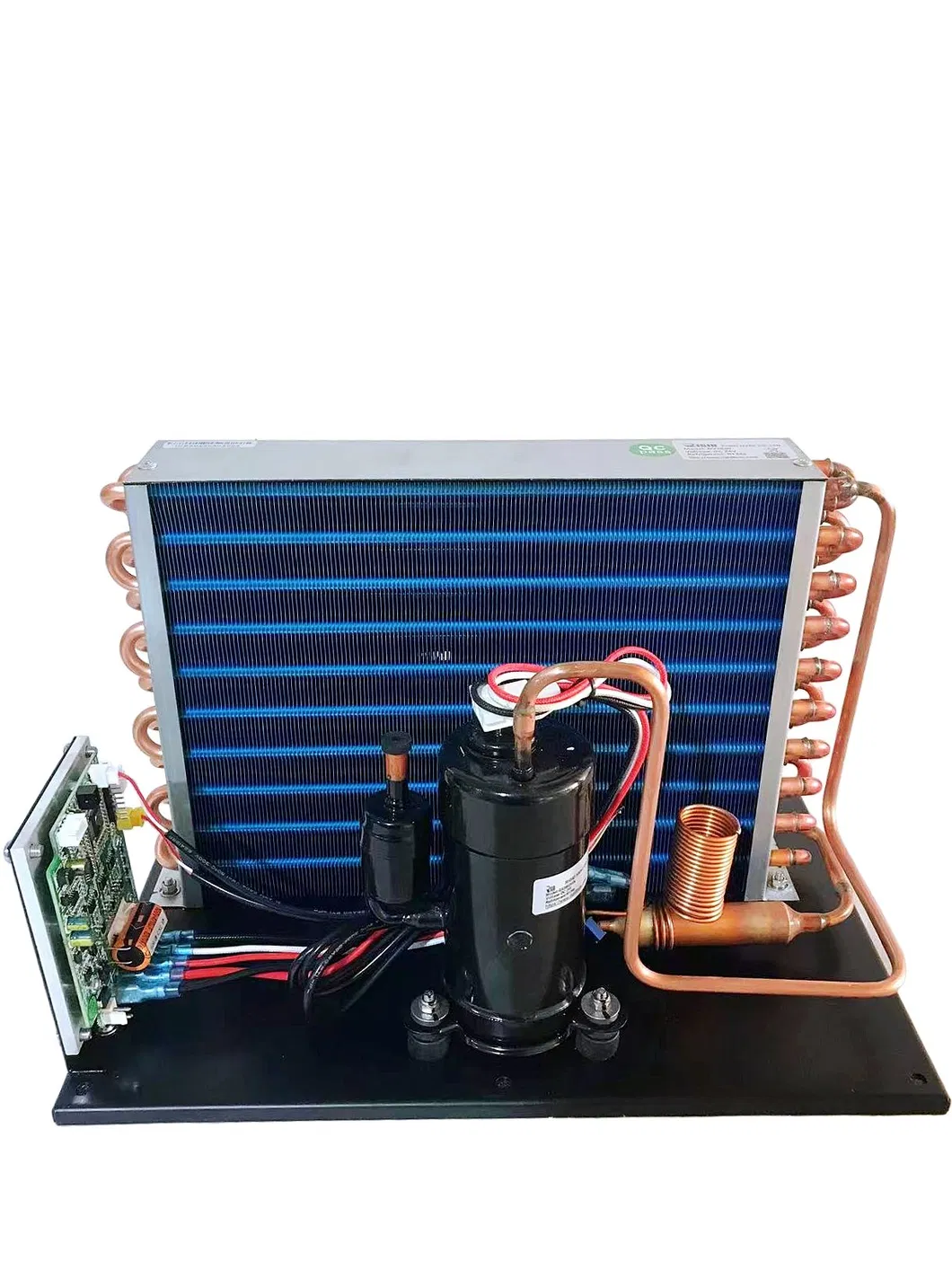
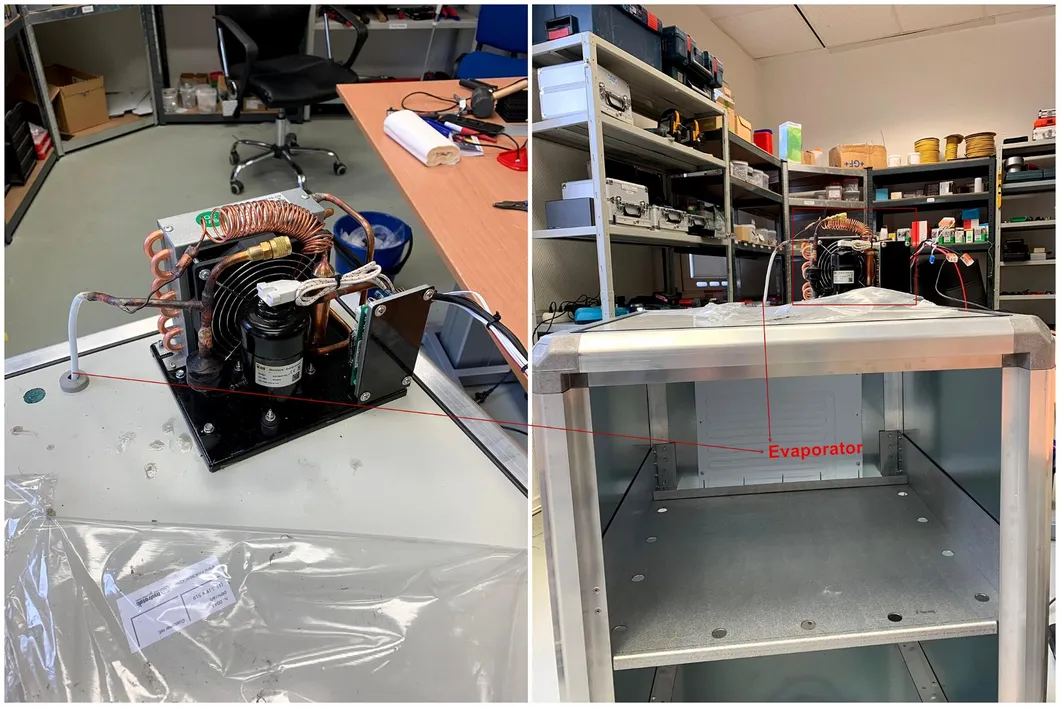
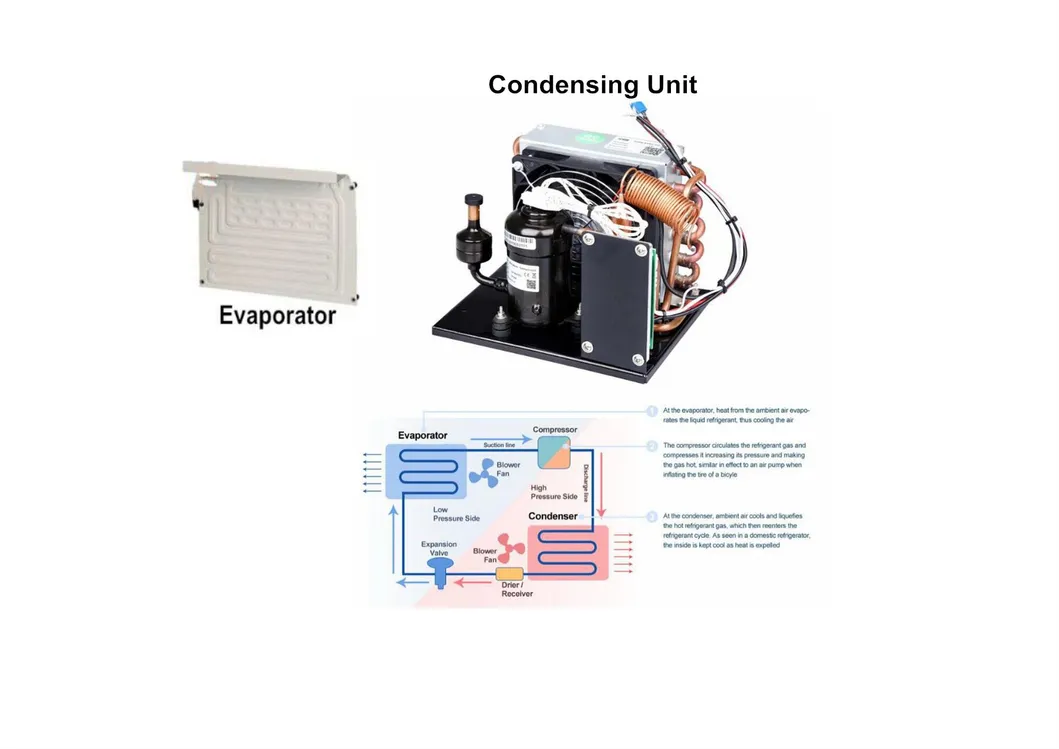
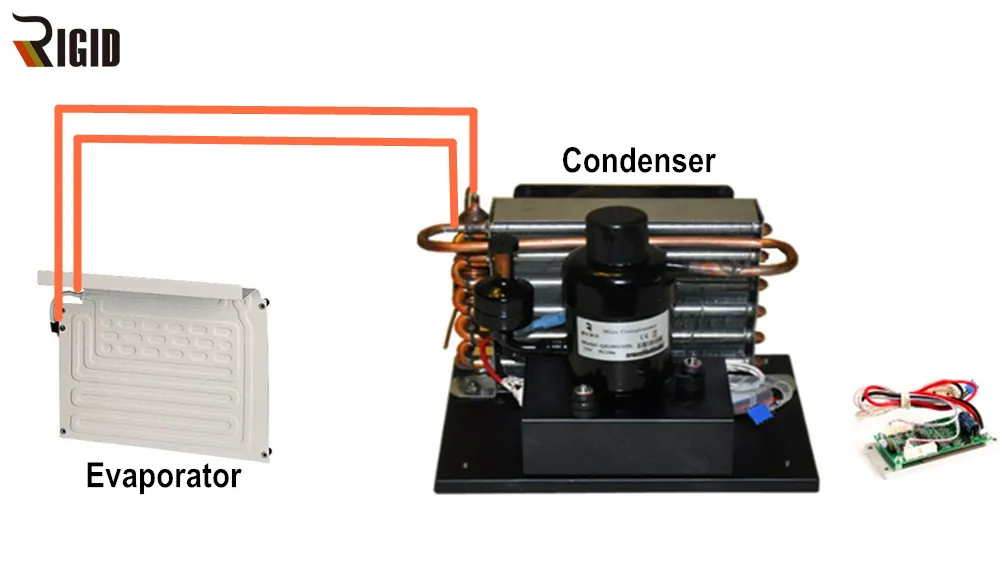
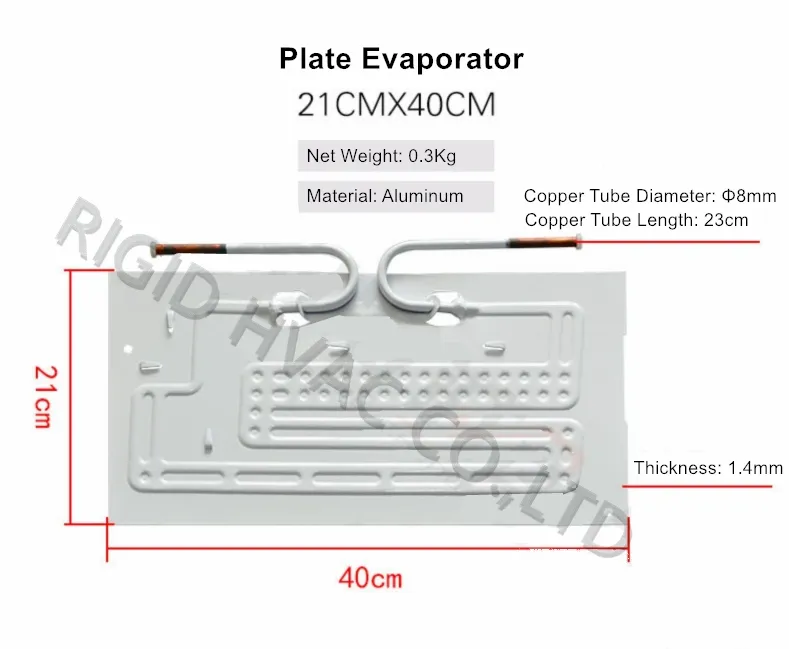
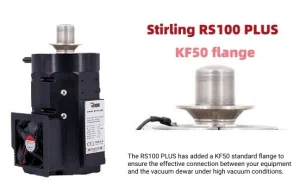
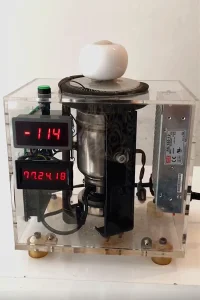
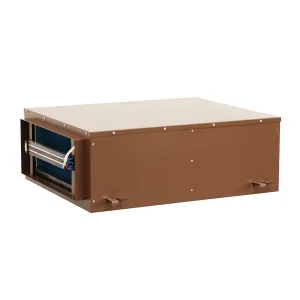
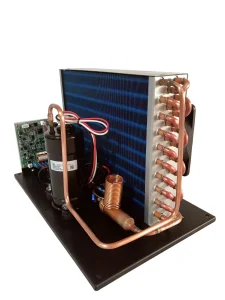
The DC Condensing Unit 12V, a marvel of cooling technology, seamlessly interfaces with the user's evaporator or a cold plate, delivering unmatched efficiency and precision. Ingeniously designed, this system eliminates the need for secondary coolant, reducing component complexity while ensuring peak performance with minimal parts. Say goodbye to unnecessary air circulation systems or coolant pumps and fans! The streamlined DC Condensing Unit excels by removing these additional components, which can often complicate and decrease system efficiency. A standout feature of the DC Condensing Unit is its ability to simplify your cooling setup. By eliminating the majority of ductwork and piping, it integrates effortlessly into the user's equipment, making it both a space-saving and efficient solution.
Q
Frequently Asked Questions
What is a DC Condensing Unit?
DC Condensing Unit is also named Direct Expansion. It means that the refrigerant expands to produce the cooling effect in a coil that is in direct contact with the conditioned air that will be delivered to the space.
What Components are Included In the DC Condensing Unit?
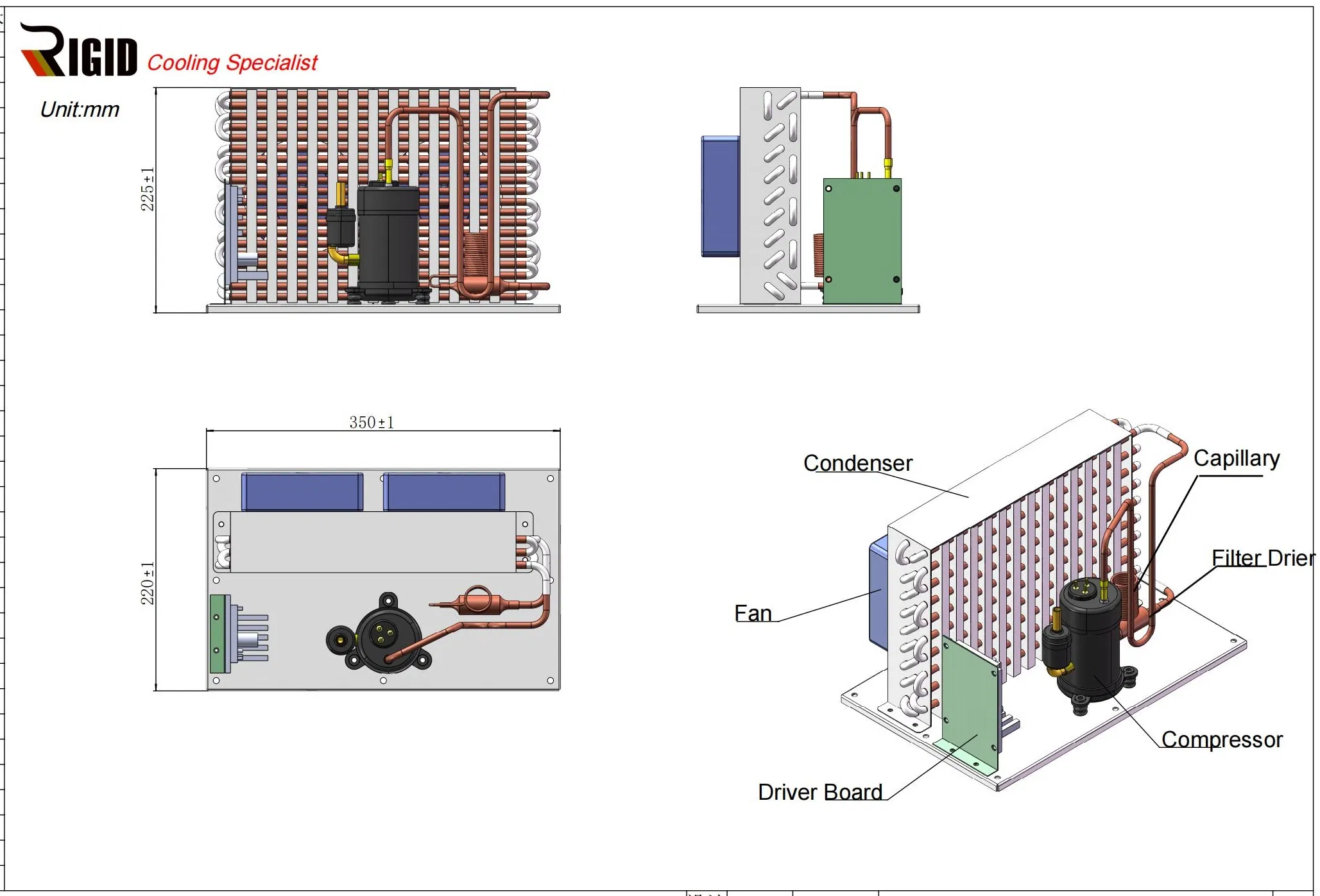
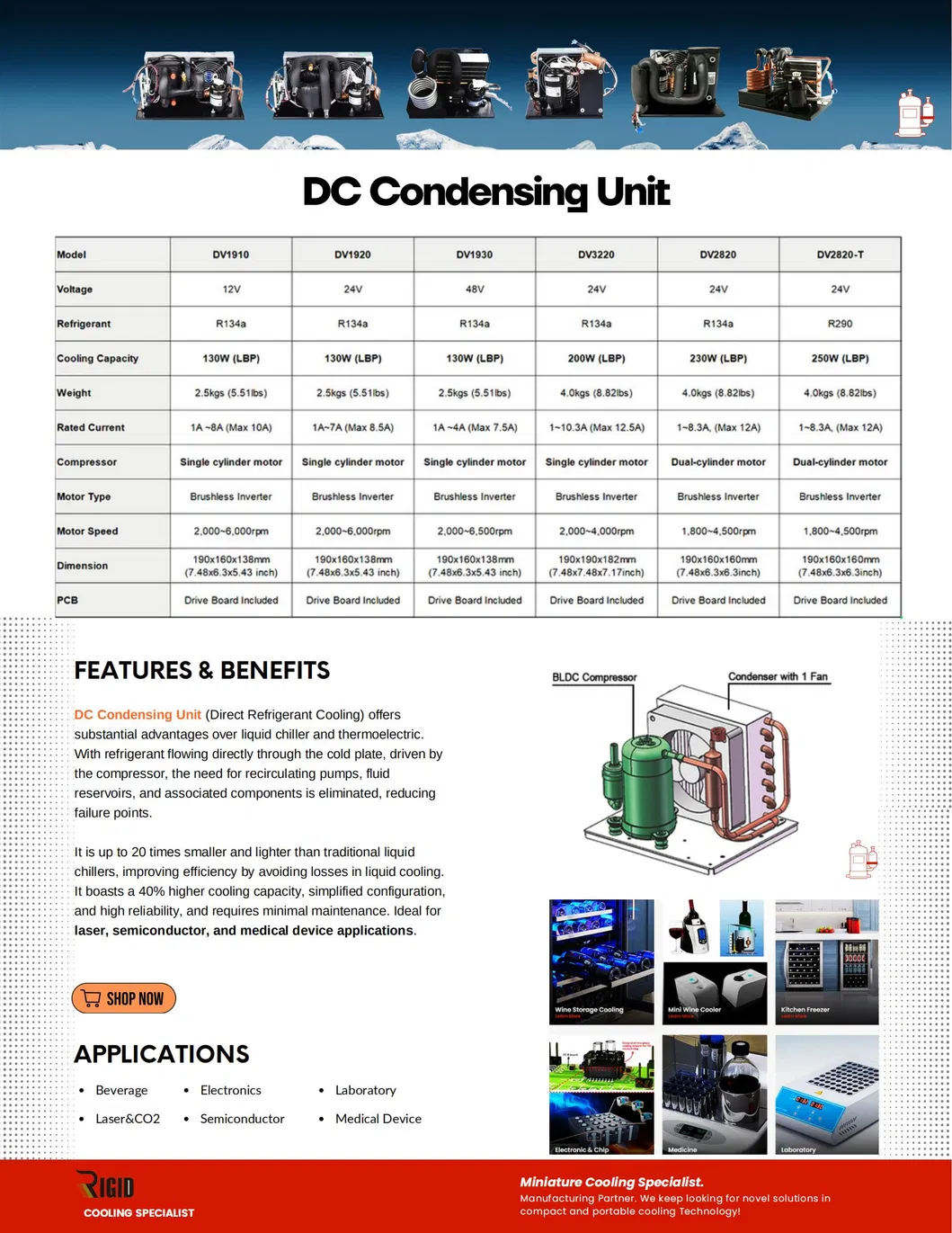
The DC Condensing Unit consists of a mini compressor, controller, condenser, capillary, filter drier, as well as other small refrigeration parts.
What are the Advantages of DC Condensing Units?
The system consists of an environmentally friendly Refrigerant (R134A or R290), a Brushless Compressor, driver board, micro channel condenser, and highly efficient DC fan. It offers an optimized combination of efficiency, reliability, and ultra-compact size. Its high reliability and efficiency make it ideal for medical devices and small refrigeration equipment.
What is the Cooling Capacity of the DC Condensing Unit?
The dimensions are incredibly small for a system with over 360W of cooling capacity. It can be easily integrated into portable refrigerators and other cooling applications, offering maximum cooling with low electrical power requirements.
What is the difference between indirect and direct cooling systems?
In direct systems, the cooling water or refrigerant goes directly into the internal piping system of the equipment. In an indirect system, a heat exchanger separates the internal system from the external cooling source.
How do I choose the right condensing unit?
Consider cooling capacity (handle the required load), refrigerant type (R-134A or R290), energy efficiency (SEER or COP ratings), and environmental conditions suitable for your specific location and application.
 Mosholu Medical