🔬 Product Description
Intended Use
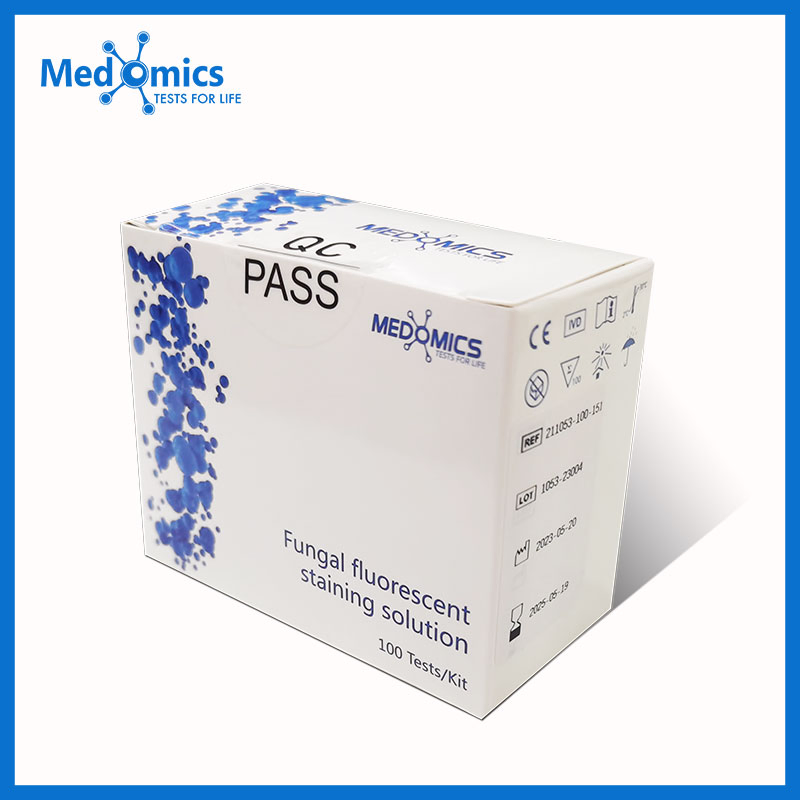
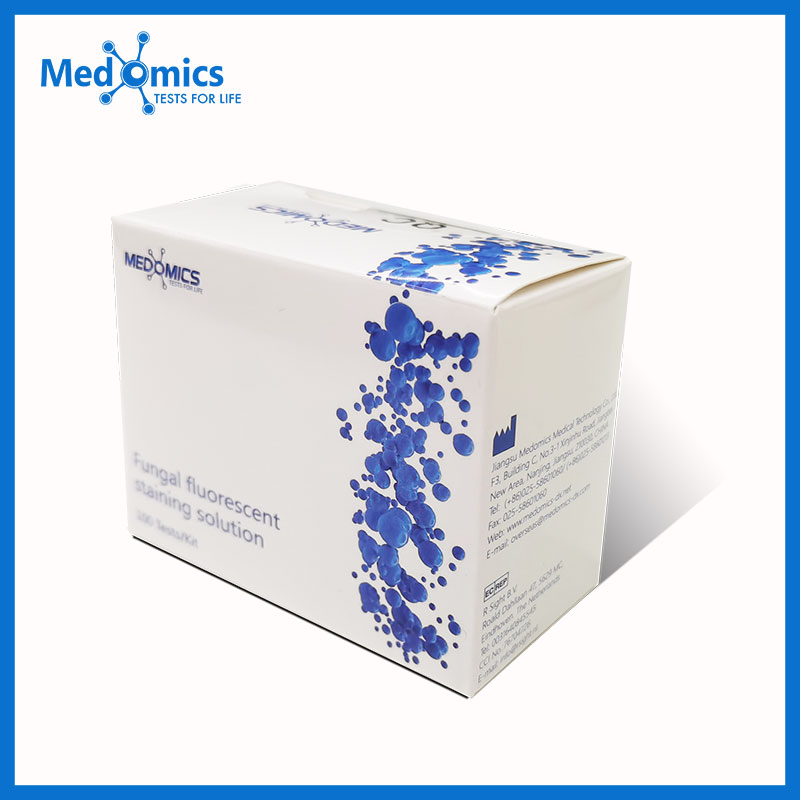
The Fungal Fluorescent Staining Solution is designed for the Fluorescent staining for fungal D-glucan detection.
Summary
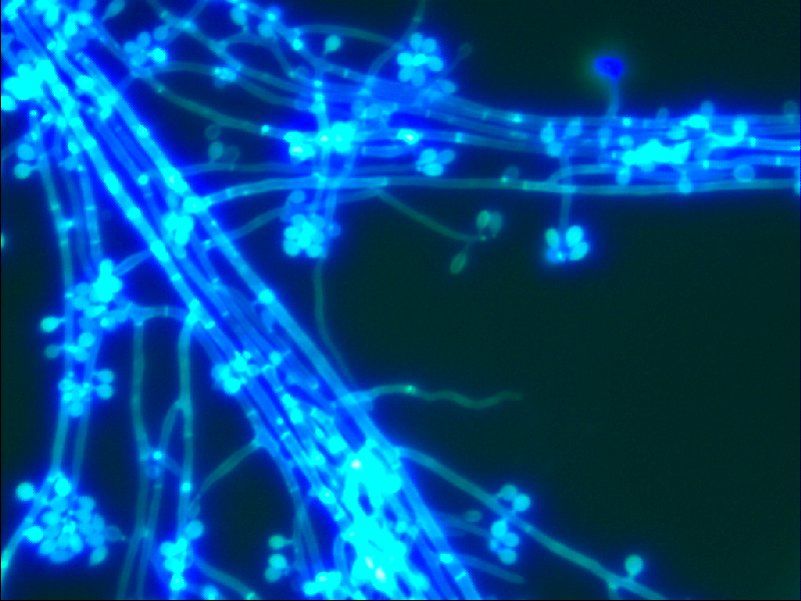
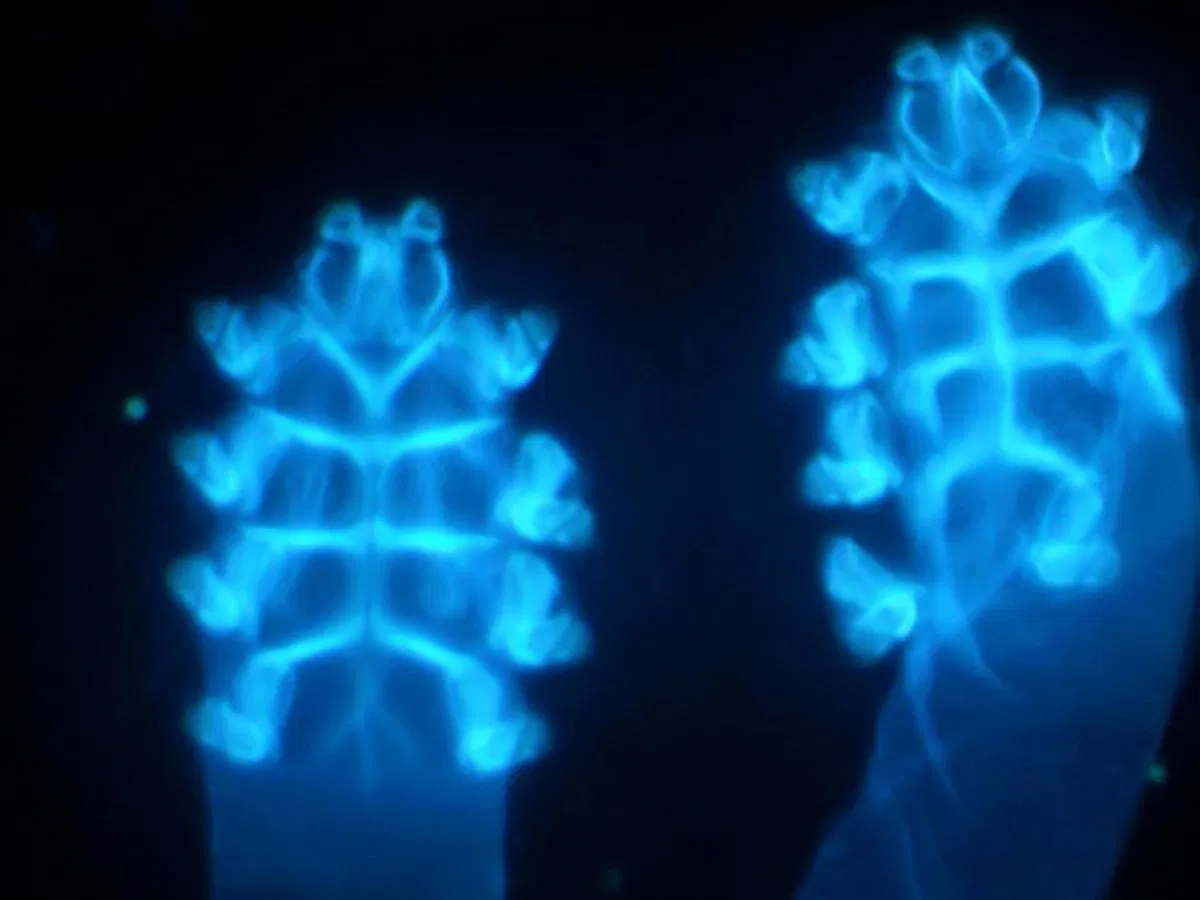
The compound staining method makes the morphology of epithelial cells, leukocytes, bacilli, cocci, molds and trichomoniasis clearly visible under a fluorescence microscope, which is convenient for observation and evaluation under the microscope. It can improve the detection rate and accuracy of positive pathogenic bacteria in clinical samples.
📊 Product Performance
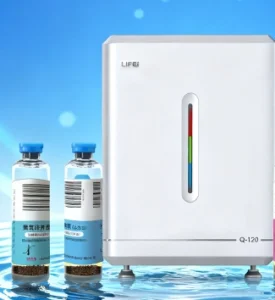
1. Appearance: The liquid in the bottle should be blue-purple in colour.
2. Capacity: Quantity should be not less than the indicated value.
3. E. coli Staining: Smears should be weakly fluorescent or non-fluorescent.
4. Candida albicans Staining: Smears should show bright blue fluorescence.
🏢 Enterprise Capabilities
Focusing on the diagnosis of microorganisms, tumors, and rare diseases, the enterprise is driven by innovation in medical device R&D, production, and sales. With R&D centers in China and the US, the facility maintains independent intellectual property rights for fluorescent staining, protein labeling, and time-resolved immunofluorescence detection technologies.
The production infrastructure includes over 10,000 square meters of GMP purification workshops meeting FDA, CE, and CFDA standards. The multidisciplinary expert team includes specialists in immunology, microbiology, applied physics, and medical imaging from world-renowned institutions.

❓ Frequently Asked Questions
What is the primary application of this staining solution?
It is specifically designed for fluorescent staining to detect fungal D-glucan in clinical samples.
What type of microscope is required for observation?
A biological fluorescence microscope with an excitation wavelength of 340nm-380nm and an emission wavelength of 420nm-490nm is required.
How long does the staining process take?
The staining solution requires approximately 2 minutes of contact with the sample for sufficient binding before examination.
What are the storage restrictions for the reagents?
The reagents must not be frozen and should be kept away from fungal contamination to maintain efficacy.
How do positive results appear under the microscope?
Positive samples, such as Candida albicans, will exhibit bright blue fluorescence, while negative samples like E. coli will show weak or no fluorescence.
Can this product be used for home testing?
No, this product is intended for in vitro clinical diagnosis only and must be operated by trained professional personnel.