Specifically optimized for small-to-medium clinical environments, providing exceptional thermal stability and minimal maintenance requirements.
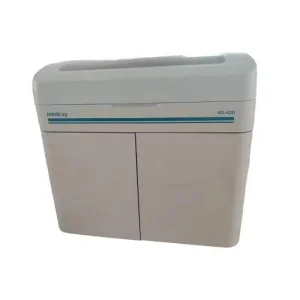
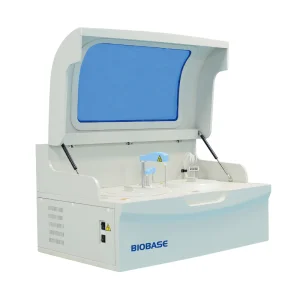
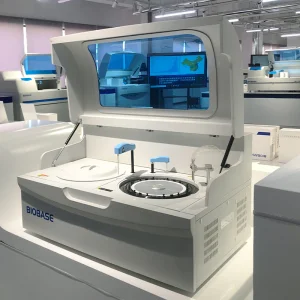
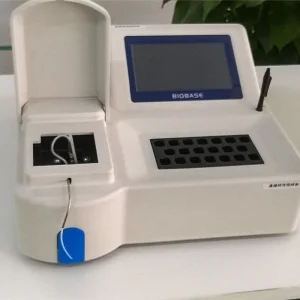
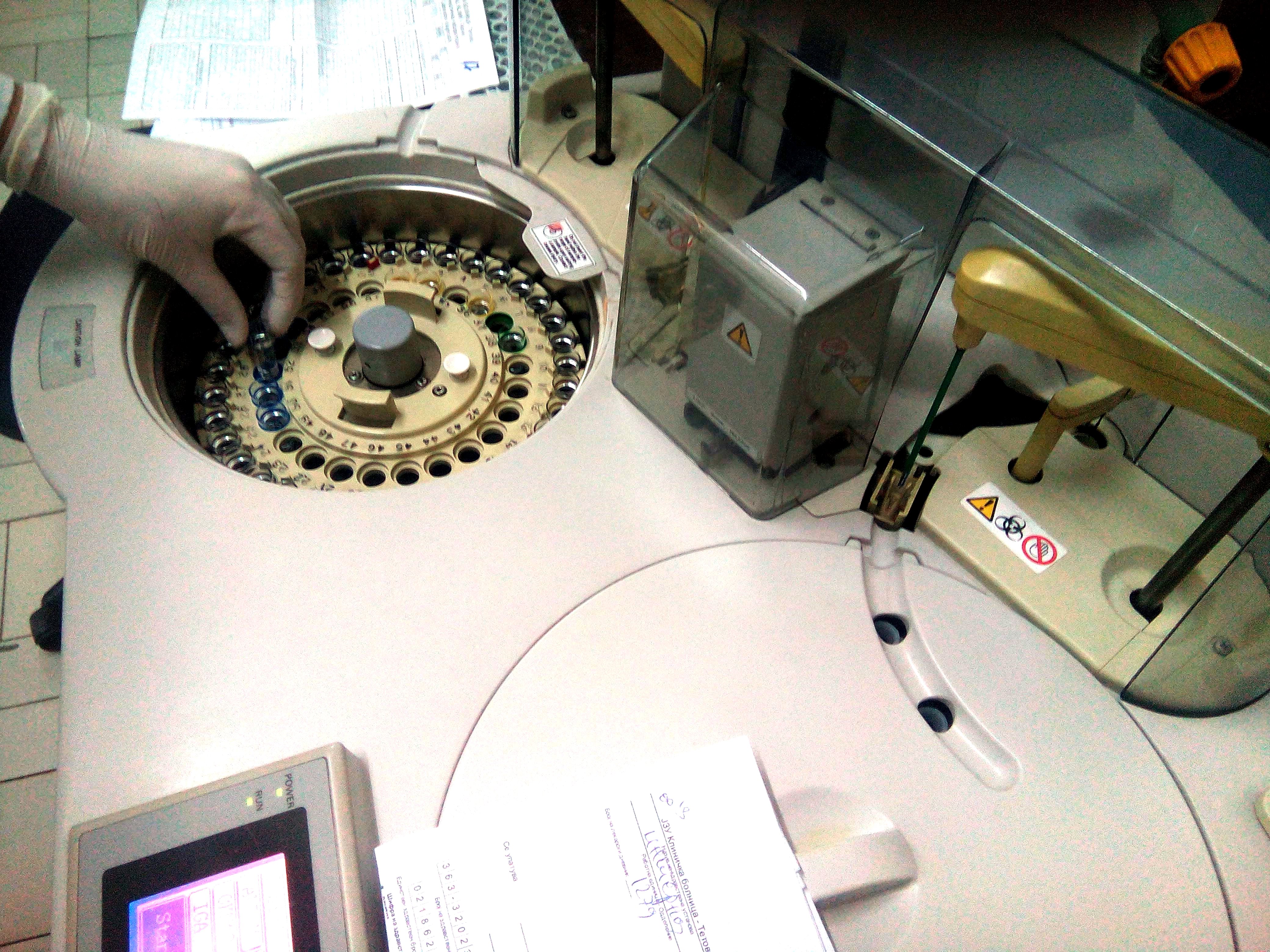
Modern clinical settings in the Comoros—ranging from primary reference medical centers in Moroni on Grande Comore to regional facilities in Mutsamudu (Anjouan) and Fomboni (Mohéli)—face unique systemic challenges. Operating clinical chemistry setups under island climates requires instrumentation featuring enhanced thermal controls, dust filtration, and strong resistance to humidity-induced electronic corrosion. As a premier provider of international diagnostic equipment, we customize biochemistry systems specifically designed to handle these environmental situations.
With the global medical diagnostic sector transitioning toward computerized LIS/HIS structures, our clinical chemistry analyzers provide seamless data integrations via ASTM standard ports. This ensures that even remote medical diagnostic centers across East Africa can build connected care systems, reducing turn-around time (TAT) and preventing human errors in lab record systems. Our export setups cover secure ocean cargo packaging, robust anti-humidity sealing, and dedicated customs facilitation to guarantee hassle-free deliveries.
Our core mission revolves around the clinical principle of "Quality First, Customer Foremost." Every unit exported to Comoros undergoes strict multi-point testing protocols encompassing precision photometry metrics, mechanical alignment runs, and multi-batch quality control tests to ensure robust analytical performance immediately upon installation.

Exploring the core technologies that allow our systems to excel in challenging climatic conditions.
Sealed optical systems utilizing high-precision interference filters. Multi-wavelength options (340nm to 800nm) cover broad diagnostic panels including hepatic, renal, lipid, and metabolic assays.
Integrated solid-state Peltier elements maintaining constant reaction tray temperatures at 37°C ±0.1°C, even in high ambient temperatures typical of sub-tropical islands.
Advanced liquid-level detection, vertical/horizontal collision protection, and inner/outer probe washing mechanisms that eliminate carry-over issues.
Specially customized internally-filtered power supplies capable of absorbing voltage fluctuations (110V-240V wide input) to withstand common power grid instability.
On-board continuous cooling chambers that extend the shelf life of highly sensitive biochemical reagents, neutralizing external atmospheric humidity.
Provides medical laboratories the flexibility to run universal diagnostic reagents, maximizing sourcing channels and significantly reducing the cost-per-test.
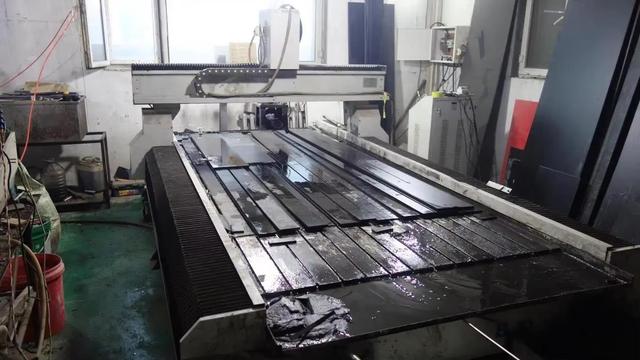
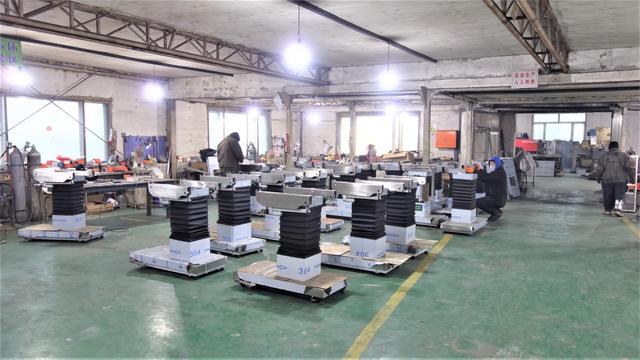
As a leading diagnostics exporter based in China, we leverage highly specialized manufacturing hubs and rigorous supply chains to export reliable biochemistry systems globally. Our production lines conform to ISO 13485 medical device manufacturing quality standards, keeping calibration precise across thousands of operating cycles.
For hospitals and laboratories in Comoros, our experienced export division provides complete integration packages. We don't just export the machinery—we provide a comprehensive laboratory solution including specialized water purification setups, stable reagents, and professional virtual training manuals. Our multi-lingual technical staff (supporting French, English, and Arabic consultations) bridges language barriers to assist medical staff at every stage.
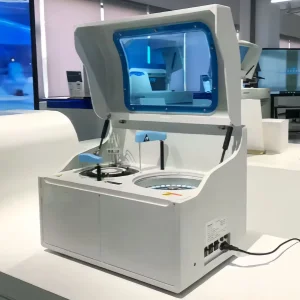
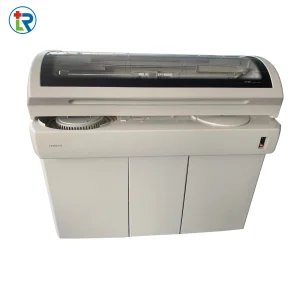
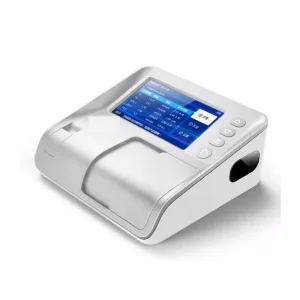
Whether implementing compact semi-automated analyzers for rural clinics or massive high-throughput automated analyzers for national hospitals, our systems optimize clinic capacity, helping laboratory technicians maximize daily workloads with minimal downtime.
Underpinned by lean manufacturing capabilities and strict quality control systems, we are dedicated to delivering dependable healthcare solutions worldwide.
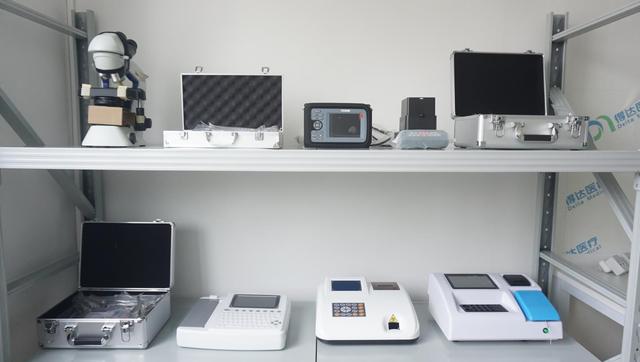
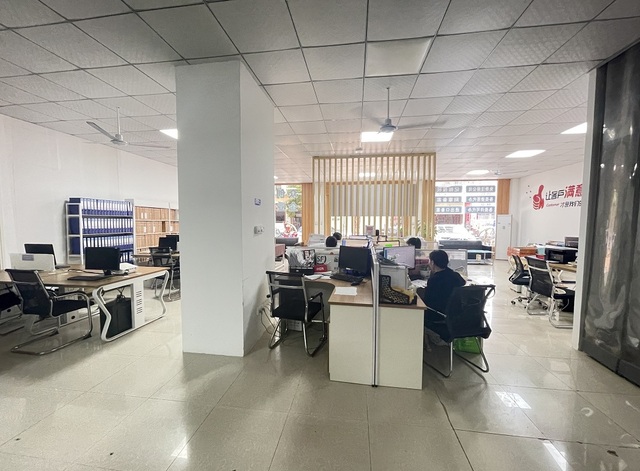
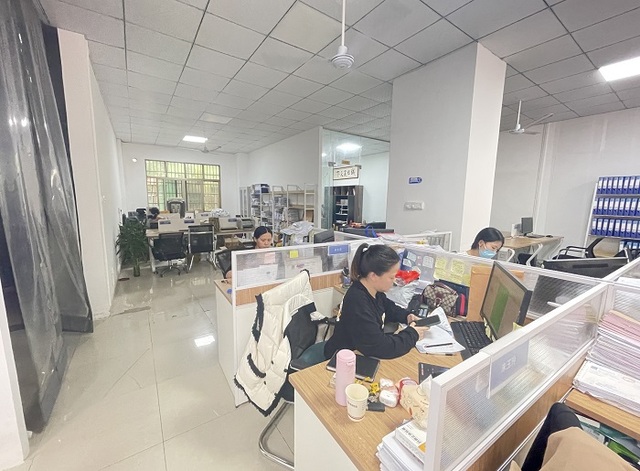
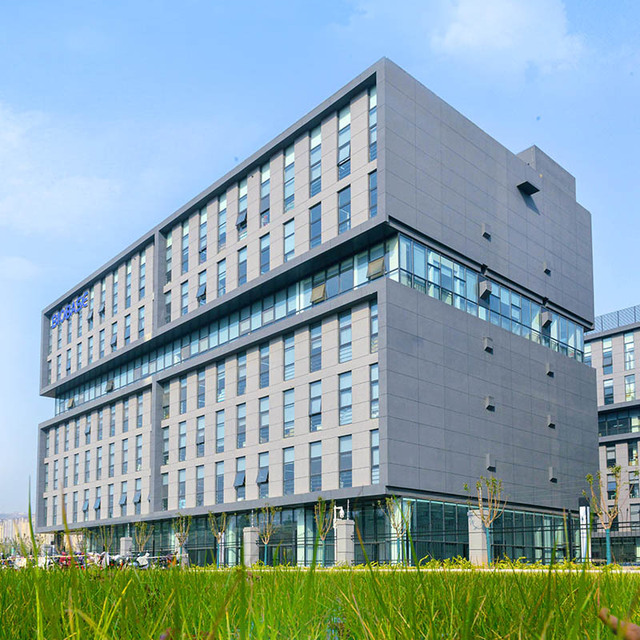
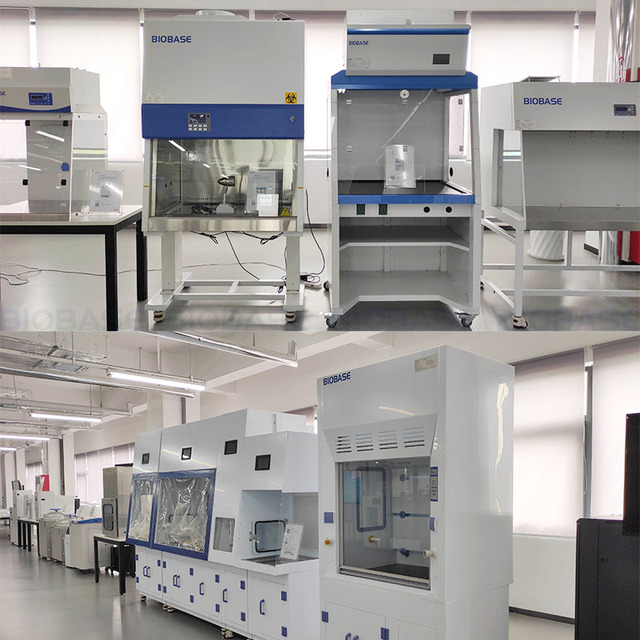
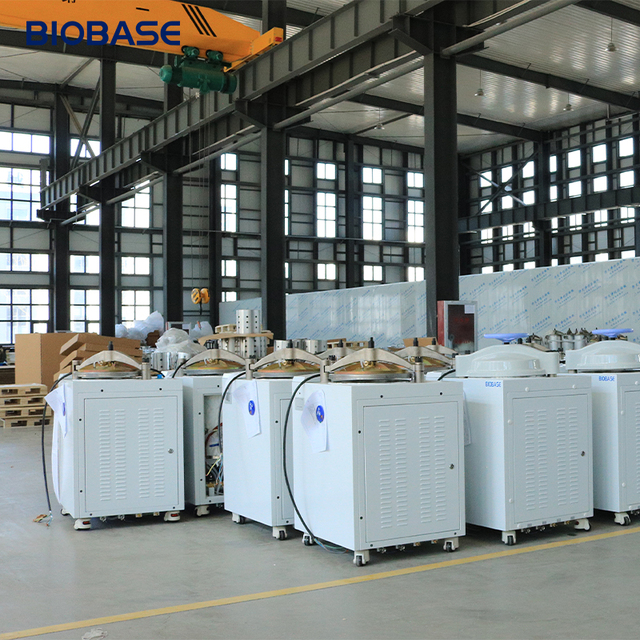
From semi-automated POCT equipment to high-throughput veterinary and medical laboratory automated solutions.
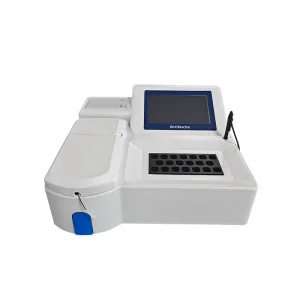
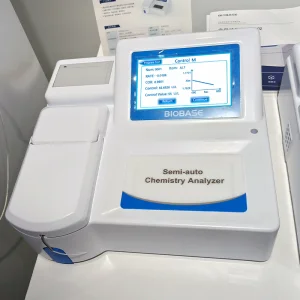
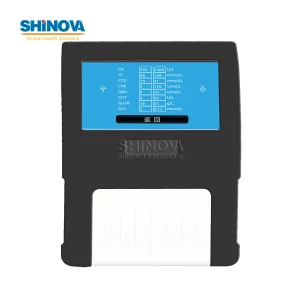
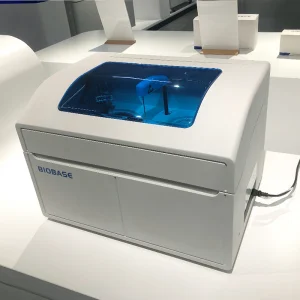
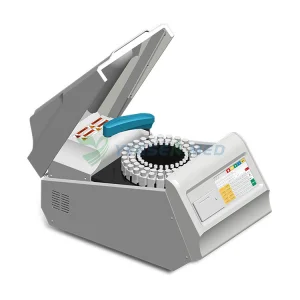
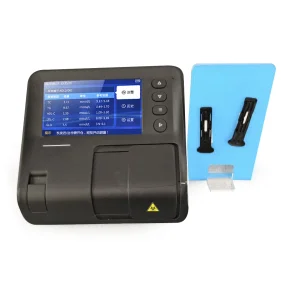
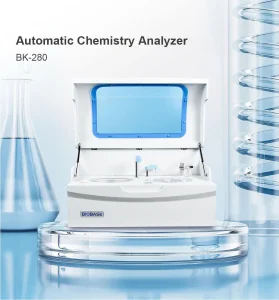
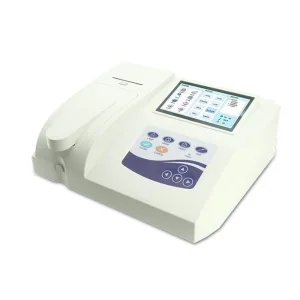
Our capabilities ensure that clinical laboratories across Comoros receive optimal equipment standards, continuous reagent supply, and unmatched technical support.
Answering crucial technical questions from laboratory directors and procurement officers regarding clinical chemistry analyzer implementation in the Comoros.
We utilize custom-engineered hermetically sealed optical structures. Unlike traditional exposed diffraction grating systems, our internal light path and filter configurations are shielded in moisture-proof compartments. We also use quartz-coated cuvettes and anti-fungal optical treatments on high-precision filters to prevent salt-mist corrosion and humidity degradation typical of Moroni and other coastal settings.
Our analyzers feature dynamic, wide-band power integration components (supporting 100V to 240V). However, for maximum longevity, we strongly recommend implementing double-conversion Online UPS systems (with pure sine-wave output) coupled with a basic voltage regulator. This guarantees that voltage drops and micro-interruptions during laboratory runs do not corrupt diagnostic cycles or compromise sensitive photometer assemblies.
We prioritize clinical flexibility and structural value. Most of our key biochemistry analyzers, including the BK-200 Mini and the Biobase 200 Tests/Hour Series, feature fully Open System architectures. This enables Comorian laboratories to purchase reagents from standard local or regional clinical suppliers, mitigating the risk of critical supply delays that are common in isolated oceanic locations.
We provide a two-tier support framework: First, a set of highly comprehensive video guides, step-by-step documentation, and chemical calibration diagrams. Second, live video calls with senior biomedical engineers who can guide local technicians through calibration, optical setup, and standard validation tests to ensure rapid system readiness.
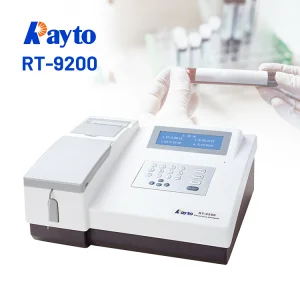
Semi-automated biochemistry systems (such as the Biobase M or Rayto RT-9200) require simple fluidic pathway flushes with warm, deionized water or diluted cleaning concentrate at the end of each daily cycle. Fully automatic systems require weekly auto-washing cycles and occasional optical window checks to prevent biological residue build-up. We provide all recommended cleaning protocols in French to ensure correct execution.
 Mosholu Medical