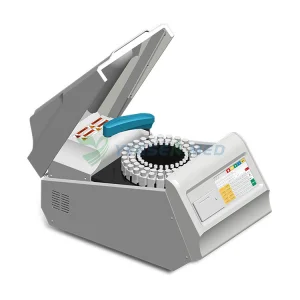
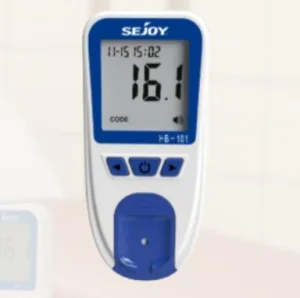
Explore our elite-tier medical instruments, analysis devices, and laboratory essential systems sourced globally.
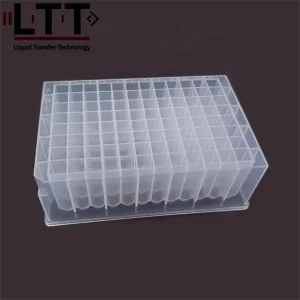
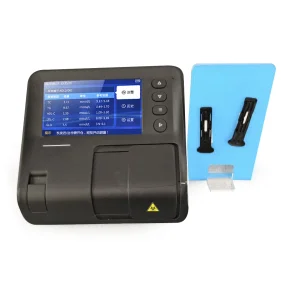
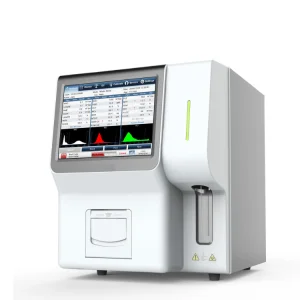
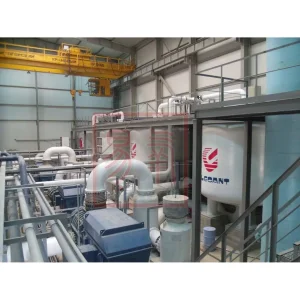
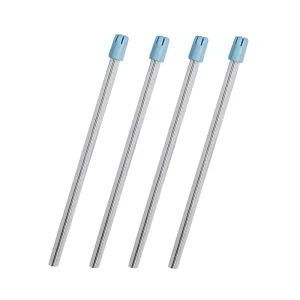
Deep dive analysis into industrial production standards, technological progress, and export configurations.
The global demand for high-throughput Polymerase Chain Reaction (PCR) systems has transitioned from pandemic-driven panic buying to structured, long-term clinical and industrial integration. Major international healthcare systems require versatile thermal cyclers, digital PCR (dPCR) machines, and real-time quantitative (qPCR) tools. China's manufacturing base provides the critical volume required to sustain this diagnostic ecosystem globally.
Sourcing directly from optimized factories in China guarantees structural integration between instrumentation and critical molecular consumables. High-quality automated workflows depend heavily on standardized labware like cryo tube racks and precision PCR sealing films. Streamlining the acquisition of reagents, diagnostic kits, and robust instruments reduces latency within the testing pipeline.
Compliance is paramount in molecular biosafety. Quality factories align operations with CE-IVD markings, ISO 13485 certification, and FDA 510(k) clearances. Rigorous quality management systems govern everything from cleanroom environments during automated plastic injection molding to mechanical calibration protocols of high-precision thermocycling blocks.
Thermal Accuracy & Uniformity
Countries Exported Worldwide
Fully Certified Facility Standard
Technical & Logistical Support
The convergence of microfluidics, digital PCR, and automated pre-analytical handling.
Modern clinical diagnostics demand systems that minimize human error and yield rapid turnaround times. The development path below illustrates the progression toward fully integrated diagnostics:
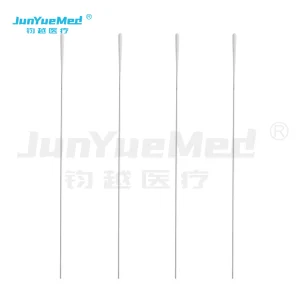
Utilization of custom swab arrays, sterile viral transport media (VTM), and secure barcoded transport containers to lock target DNA/RNA sequences prior to lysing protocols.
Magnetic bead-based extraction instruments isolate high-purity nucleic acids, executing fast washing cycles to remove amplification inhibitors entirely.
Optimized qPCR instruments feature peltier-based systems that perform rapid temperature adjustments, enabling precise monitoring of cycle threshold (Ct) values.
LIS/LIMS-connected software automatically exports analytical results, facilitating seamless integration with hospital patient management portals.
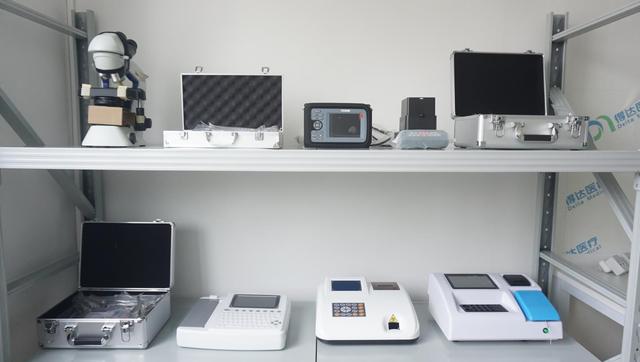
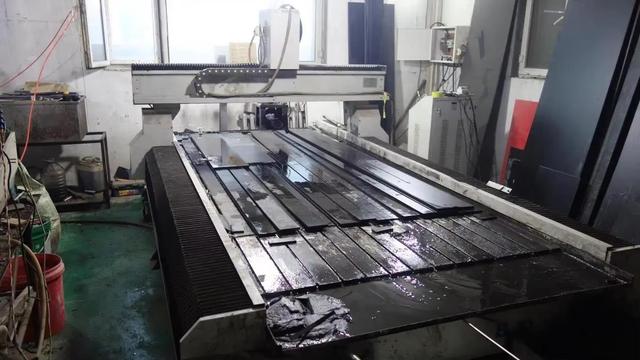
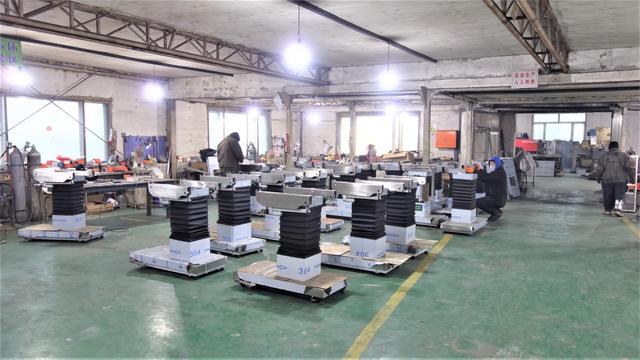
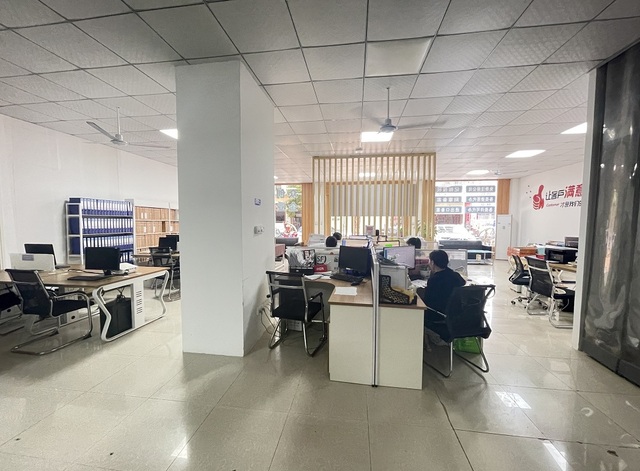
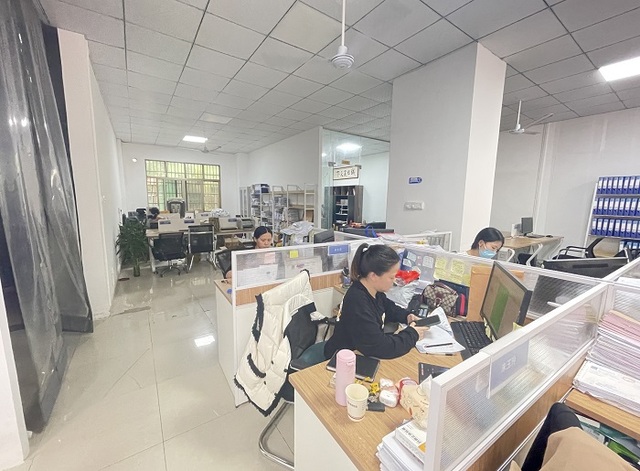
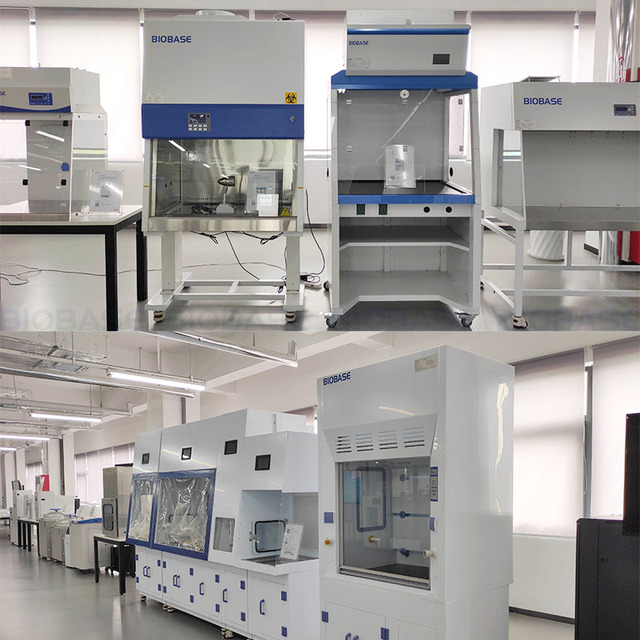
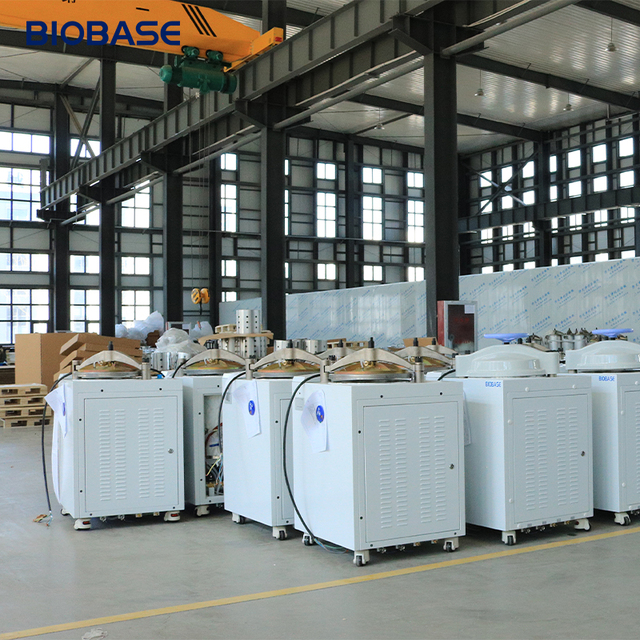
Verbatim archival assets, text statements, and operational imagery demonstrating real-world capacity.
We specialize in the manufacturing and global distribution of a wide range of medical products, including hospital equipment, medical disposables, surgical dressings, laboratory products, and home healthcare solutions. With a strong commitment to the principle of “quality first, customer foremost,” we have earned the trust and recognition of clients across international medical markets.

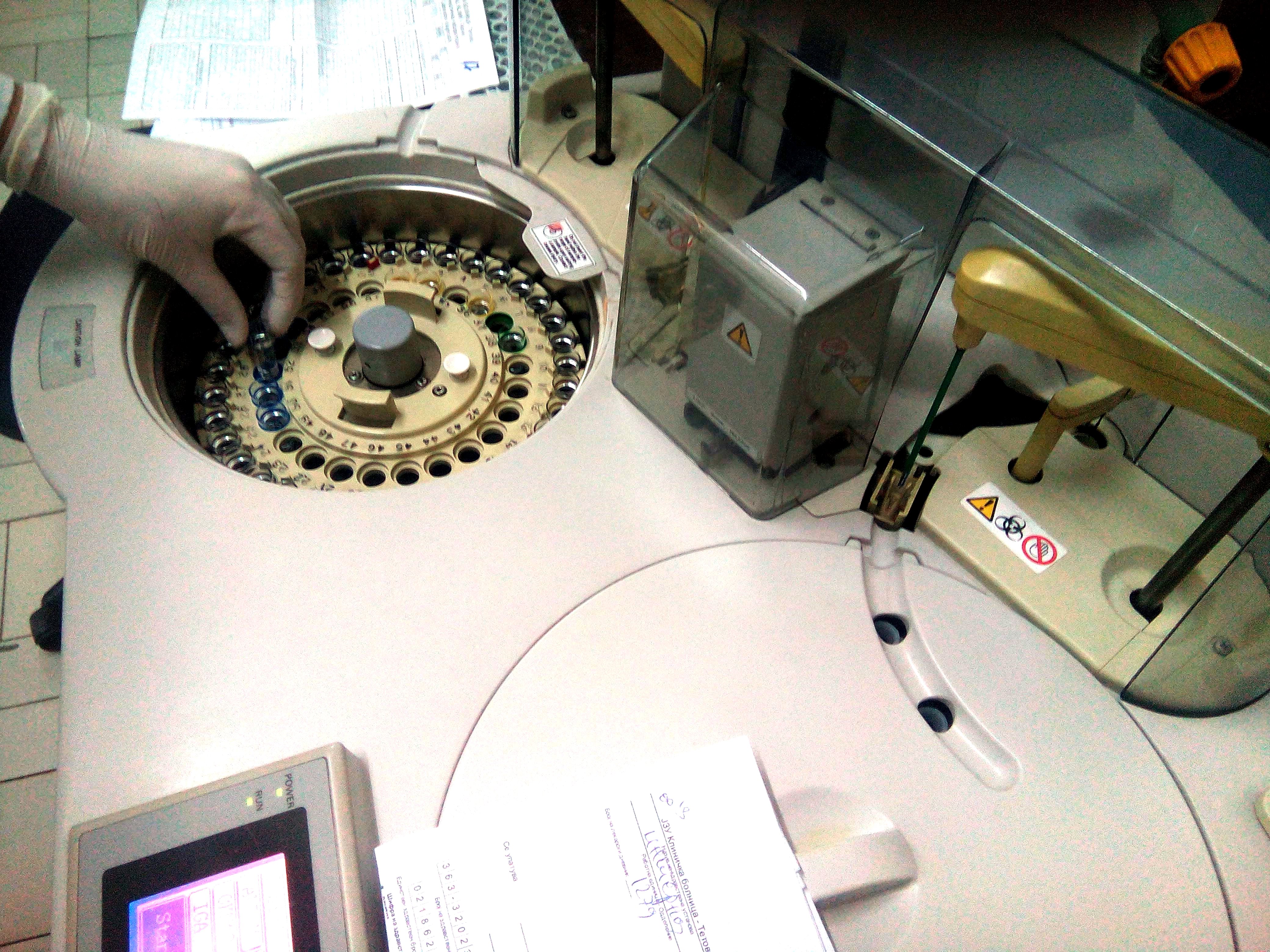
Our product portfolio is designed to meet the diverse needs of hospitals, clinics, laboratories, and distributors, ensuring reliable performance, safety, and compliance with international standards. From essential medical consumables to advanced diagnostic and laboratory support products, we strive to deliver consistent quality and value.
Our experienced foreign trade team possesses in-depth knowledge of international trade procedures, regional medical regulations, and cross-cultural communication. This enables us to provide efficient and professional support throughout every stage of cooperation. We aim to be a true one-stop supplier, offering not only a comprehensive range of medical products but also integrated services including consultation, sourcing, order tracking, and after-sales support.
As a professional medical device supplier based in China, we adhere to the philosophy of “Quality First, Customer Supreme.” Backed by lean manufacturing capabilities and strict quality control systems, we are dedicated to building long-term partnerships and delivering dependable healthcare solutions to customers worldwide.

Standardized workflows mapped across distinct healthcare and research segments.
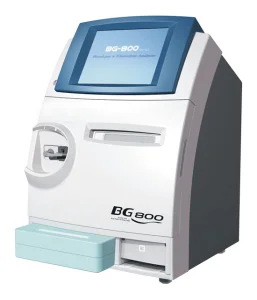
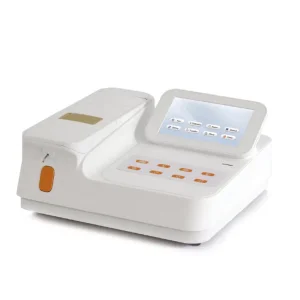
High-volume patient diagnostics require robust, interconnected clinical biochemistry and molecular systems. Setting up standard qPCR infrastructure demands precision consumables (tubes, plates, sealing film) alongside hematology and blood gas analyzers to establish a complete triage workflow.
In veterinary science, controlling outbreaks of avian influenza, African swine fever, and domestic pet pathogens requires rapid molecular screenings. Combining veterinary-specific blood analyzers with high-throughput extraction blocks enables rural and central labs to process testing rapidly.
Enzymes (Taq polymerase, reverse transcriptase) are heat-sensitive and require continuous cold chain integrity. Integrating clinical-grade cold storage units and laboratory chillers within the local testing ecosystem preserves biochemical efficacy from manufacture to clinical execution.
Critical commercial and technological guidance for international medical buyers.
The quality of PCR consumables, such as sealing films and cryo tubes, is evaluated by their certified purity levels—specifically ensuring they are free of DNase, RNase, and endotoxins (pyrogens). In addition, thermal conductivity, the ability to withstand autoclave temperatures, and the strength of the seal during thermocycling are critical parameters to prevent sample evaporation and cross-contamination.
Sensitive IVD rapid diagnostic kits require strict cold-chain shipping. Reagents are typically packed in thermal-insulated containers with gel ice packs (for temperatures between 2°C to 8°C) or dry ice (for temperatures below -20°C). Real-time USB or wireless temperature loggers are integrated into the export pallets to monitor temperature history from the factory floor to final arrival.
Yes, many semi-automatic and fully automated analyzers are designed with open reagent systems, allowing laboratories to configure assay parameters based on locally sourced reagents. However, to achieve maximum precision, utilizing factory-calibrated reagents is recommended to ensure consistent optical readings, automated fluidic throughput, and precise diagnosis.
Exported molecular and clinical devices are manufactured in ISO 13485-certified facilities. Prior to shipment, products receive CE, IVD, or country-specific regulatory approvals. Quality control engineers conduct optical calibration, software diagnostic tests, and electric safety tests. Complete technical documentation dossiers, compliance certificates, and operation manuals are provided to simplify customs clearance and site inspection.
Distributors can submit their geometric specifications, material requirements (e.g., medical-grade polypropylene), and sealing configurations. Our partnering R&D engineering departments utilize advanced mold flow simulations and CNC milling to fabricate prototypes. Once pilot testing is approved, high-speed automated assembly lines are configured for bulk output, complete with custom-branded packaging.
Discover clinical diagnostics, blood analyzers, and industrial temperature control systems.
 Mosholu Medical