Tissue processing is a critical foundational gateway in histopathology. The transformation of raw, fragile biopsy specimens into stable, paraffin-embedded blocks dictates the diagnostic accuracy of all downstream microscopic evaluations. Inadequate infiltration or chemical dehydration mistakes cannot be undone, often risking the degradation of irreplaceable clinical samples.
Modern clinical oncology and pathology labs require highly consistent tissue processing equipment to automate the chemical transition from fixation, through dehydration and clearing, to ultimate paraffin infiltration. Standard protocols demand tight temperature regulation, gentle fluid agitation, and active vacuum extraction to ensure zero structural distortion of cellular morphology.
As standard medical practices shift towards personalized molecular diagnostics, the role of tissue processing becomes even more pronounced. Preserving DNA, RNA, and protein integrity within tissue blocks is paramount for subsequent Immunohistochemistry (IHC) and Next-Generation Sequencing (NGS). Modern equipment must perform without exposing samples to thermal shock or aggressive solvent shifts.
Diagnostic Reliability
Medical Quality Certified
Countries Exported
Remote Technical Support
The global healthcare sector faces a dual challenge: rising diagnostic volume and tightening capital budgets. China-based medical instrument factories have evolved from simple contract assembly sites into advanced research and development epicenters, offering competitive alternatives to traditional European and North American manufacturers. By bridging high manufacturing density with state-of-the-art precision components, China factories provide unique value structures.
From medical-grade stainless steel casting to high-precision thermoelectric heating elements and custom fluid solenoid valves, all key elements are sourced locally within clusters like Zhejiang, Jiangsu, and Guangdong. This drastically reduces transit lead times and overhead costs.
Equipped with sophisticated software frameworks, Chinese suppliers offer agile modification options for localized clinical needs, supporting multiple languages, tailored LIMS (Laboratory Information Management System) protocols, and customizable processing cycles.
By optimizing operational logistics and harnessing scalable automation, China wholesale factories can reduce capital expenditure requirements by 30% to 50% compared to Western counterparts, enabling labs to allocate resources to expanding diagnostic capabilities.
Importing advanced medical devices requires navigating complex regional compliance regulations. Leading Chinese tissue processing equipment suppliers prioritize international standardizations to assure global diagnostic safety and regulatory validation.
Note for Distributors & Laboratory Directors: Procurement contracts can be customized with comprehensive SLA (Service Level Agreement) options, including replacement unit buffers, OEM labeling options, and direct factory training programs for local field service engineers.
Laboratory requirements vary significantly depending on caseload volume, specimen types, and specific research goals. Exploring localized applications helps match facility requirements with the optimal machinery.
High-throughput automated vacuum tissue processors are optimal for processing hundreds of patient biopsies daily. These systems utilize continuous-load or dual-retort mechanisms to maximize workflow speed and minimize bottlenecks.
Flexibility is key. Research labs often require open-system platforms that allow customization of reagent holding times, gentle temperature steps for delicate embryonic models, and compatibility with non-standard reagents like xylene substitutes.
These settings require strict FDA 21 CFR Part 11 electronic record-keeping, user access levels, and run logs to ensure audit readiness for toxicological and pharmacological studies.
We specialize in the manufacturing and global distribution of a wide range of medical products, including hospital equipment, medical disposables, surgical dressings, laboratory products, and home healthcare solutions. With a strong commitment to the principle of “quality first, customer foremost,” we have earned the trust and recognition of clients across international medical markets.

Our product portfolio is designed to meet the diverse needs of hospitals, clinics, laboratories, and distributors, ensuring reliable performance, safety, and compliance with international standards. From essential medical consumables to advanced diagnostic and laboratory support products, we strive to deliver consistent quality and value.
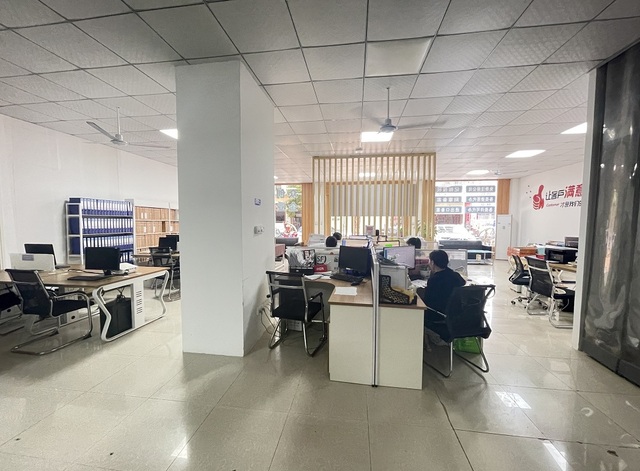
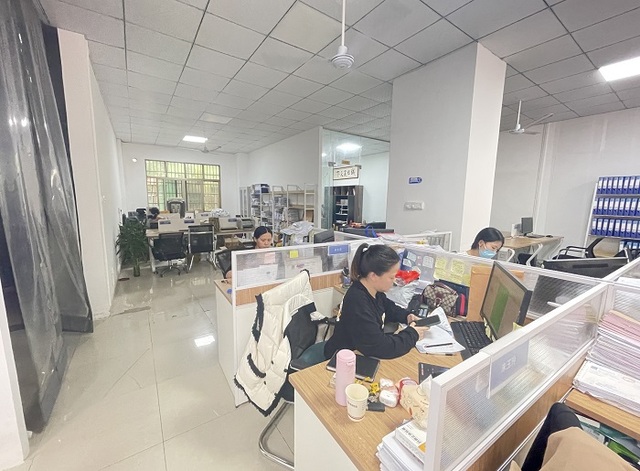
Our experienced foreign trade team possesses in-depth knowledge of international trade procedures, regional medical regulations, and cross-cultural communication. This enables us to provide efficient and professional support throughout every stage of cooperation. We aim to be a true one-stop supplier, offering not only a comprehensive range of medical products but also integrated services including consultation, sourcing, order tracking, and after-sales support.
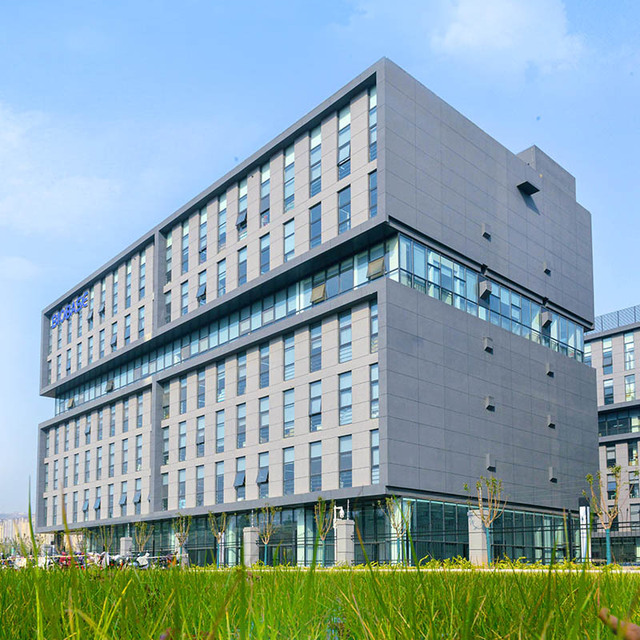
As a professional medical device supplier based in China, we adhere to the philosophy of “Quality First, Customer Supreme.” Backed by lean manufacturing capabilities and strict quality control systems, we are dedicated to building long-term partnerships and delivering dependable healthcare solutions to customers worldwide.
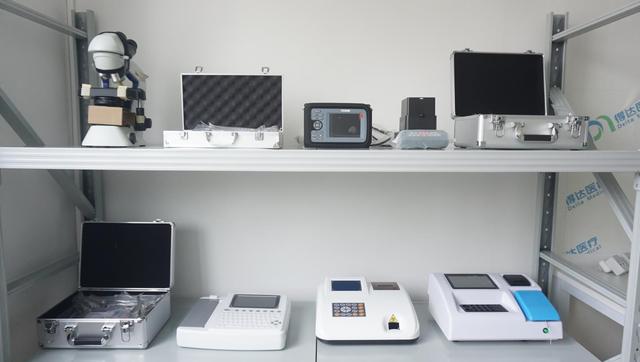
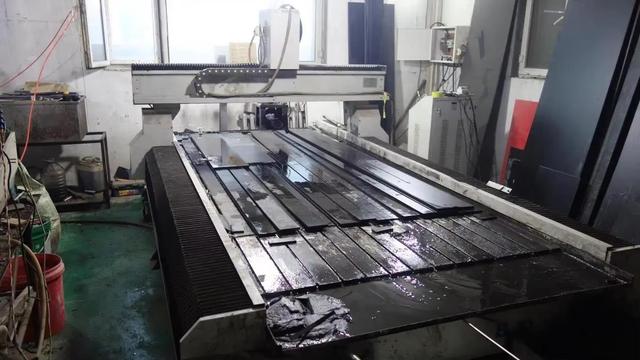
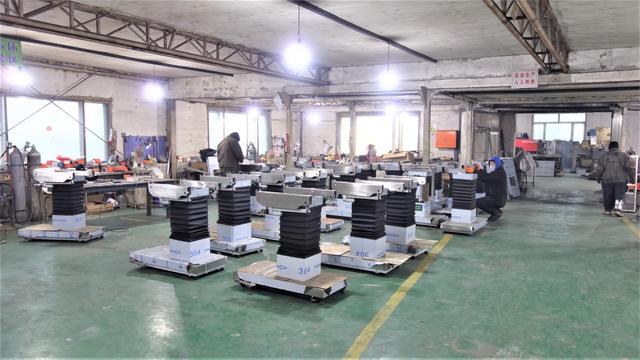
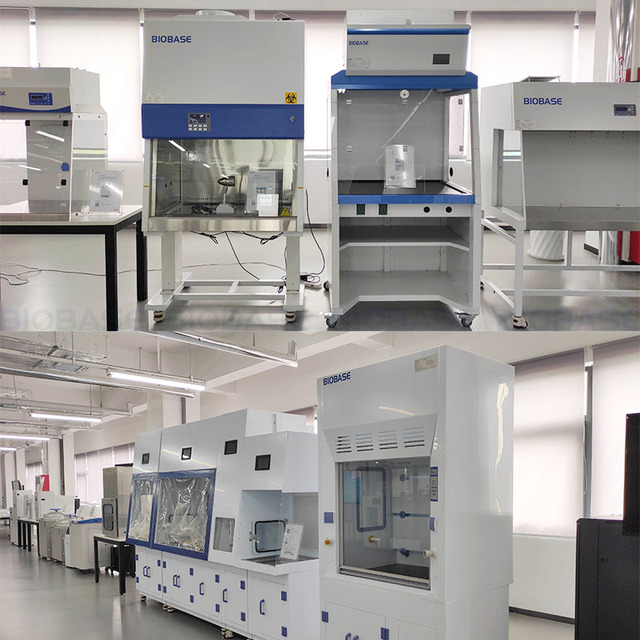
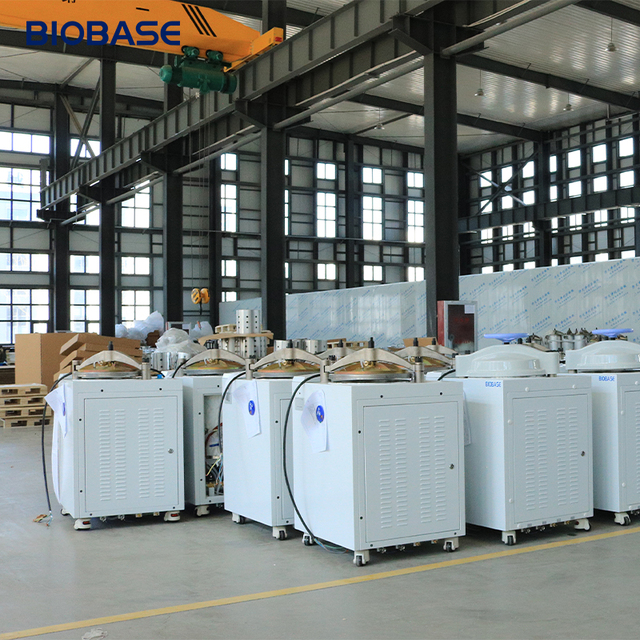
For standard tissue processing units, the manufacturing and testing window is typically 15 to 30 days. Custom configurations requiring specific LIMS integrations or customized voltage requirements may take 45 days. Consumables (such as cassettes and pipette tips) are generally dispatched within 7-10 days.
Our premium tissue processors feature built-in battery backups (UPS modules) that support monitoring screens and internal memory. In the event of a power outage, the processor automatically moves samples to a safe buffer station (typically the paraffin wax retort or primary fixation tank) to prevent tissue air-drying or thermal degradation.
Yes. Our automated vacuum processors feature multi-protocol programming, allowing users to configure customized cycles. Smaller biopsy tissue pieces can be processed via rapid 1-hour cycles, while larger specimens can run on extended overnight protocols to ensure complete chemical penetration.
Yes, we offer comprehensive OEM and ODM support, including custom exterior branding, GUI color modifications, local language translations, and custom structural designs tailored to specific market requirements.
 Mosholu Medical